
Best tools for QR code CRM integration help businesses connect offline scans to customer records, campaign attribution, and automated follow-up. In practice, this means a QR code on packaging, direct mail, signage, or invoices can open a landing page, identify the campaign source, and push the resulting lead or activity into a customer relationship management platform. For teams managing sales pipelines, customer support, and retention programs, integrating QR codes with CRM systems turns a simple scan into measurable revenue data. I have implemented these programs for retail promotions, field events, and service businesses, and the difference is immediate: marketing gains attribution, sales gains context, and operations gain cleaner reporting. The challenge is choosing tools that do more than generate a code. The best platforms support dynamic QR codes, UTM governance, webhook delivery, native CRM connectors, consent capture, and analytics that tie scans to contacts, deals, or accounts.
This matters because QR campaigns often fail at the handoff. A team launches a printed code, sees scan volume, but cannot tell which scans became qualified leads or booked meetings. Without CRM integration, offline traffic remains disconnected from lead scoring, lifecycle stages, and revenue reporting. Strong QR code CRM integration closes that gap. It lets a business route a scan into HubSpot, Salesforce, Zoho CRM, Microsoft Dynamics 365, or another stack; trigger email sequences; notify sales owners; and compare conversion by location, asset, or audience segment. As privacy rules tighten and third-party cookies weaken, first-party data captured through consented QR journeys becomes more valuable. The right toolset therefore supports not only code creation, but also campaign architecture, secure data transfer, and ongoing optimization across marketing and sales.
What the best QR code CRM integration tools must do
The first requirement is dynamic QR code support. Static codes point to a fixed destination and are useful for simple use cases, but they create operational risk for CRM workflows because the URL cannot be updated after print. Dynamic QR codes solve this by redirecting through a managed short link, allowing marketers to change destinations, append campaign parameters, pause broken pages, and preserve historical analytics. In every serious deployment I have run, dynamic management became essential once multiple teams, regions, or offers were involved.
The second requirement is reliable data capture. Good tools pass UTM parameters, hidden form fields, referral metadata, geolocation where appropriate, device type, and timestamp into the CRM record. Better platforms also support webhooks, Zapier or Make integrations, and native app connections. If a scanned code opens a lead form, the CRM should record not just the submission, but the specific QR asset, campaign name, creative version, and source medium. That level of granularity enables lead routing, attribution modeling, and campaign ROI analysis.
Security and governance matter as much as features. The tool should support HTTPS redirects, role-based permissions, naming conventions, exportable analytics, and compliance-friendly consent options. Enterprises also benefit from bulk generation, folder structures, custom domains, and API access. These are not luxury features. They reduce broken links, duplicate codes, inconsistent tracking, and shadow IT. When evaluating platforms, I look for whether they can scale from one sales flyer to thousands of serialized product, event, or territory-specific codes without losing reporting integrity.
Top tools and where each one fits best
HubSpot is one of the strongest options when the business already uses HubSpot Marketing Hub or Sales Hub. While HubSpot is not a dedicated QR code generator first, it excels once a dynamic QR platform sends traffic into HubSpot landing pages, forms, meetings links, or workflows. Native properties, campaign tagging, contact timelines, and automation make it easy to tie scans to lifecycle stages and nurture streams. For midsize teams that want speed and clean reporting, HubSpot plus a dynamic QR tool is usually the shortest path to value.
Salesforce is the best fit for organizations that need deep customization, complex lead routing, account-based attribution, or field sales integration. Using Salesforce Campaigns, Flow, and custom objects, a company can map QR scans to events, assets, distributors, or locations. It takes more implementation discipline than HubSpot, but the payoff is flexibility. I have seen manufacturing teams use Salesforce-connected QR codes on trade show displays and product documentation to identify distributor interest and assign territory owners automatically.
Among dedicated QR platforms, QR Code Generator Pro, Beaconstac, Bitly, and Uniqode are common contenders. Their value lies in dynamic code management, analytics dashboards, API access, and integration options. Bitly is especially useful when link governance and short-link analytics are already established companywide. Beaconstac and Uniqode are often chosen for scale, bulk creation, templates, and stronger enterprise controls. Zapier and Make remain practical middleware for connecting scan-triggered form fills, CRM updates, Slack alerts, and spreadsheets without custom development.
| Tool | Best for | Key strength | Main limitation |
|---|---|---|---|
| HubSpot | Midsize marketing and sales teams | Native automation and reporting | Needs external QR management for advanced code operations |
| Salesforce | Enterprise and complex routing | Customization with Campaigns and Flow | Longer implementation time |
| Uniqode | Large QR deployments | Dynamic codes, bulk management, analytics | CRM depth depends on stack design |
| Beaconstac | Brand-controlled campaigns | Templates, governance, enterprise controls | May require middleware for some workflows |
| Bitly | Link-centric organizations | Short-link governance and click analytics | Less CRM-specific out of the box |
| Zapier or Make | Fast no-code connections | Flexible workflow automation | Can become brittle at scale |
How to connect QR codes to CRM workflows correctly
The most effective setup starts with campaign architecture before design. Define the object you want to create or update in the CRM: contact, lead, account, deal, case, or event registration. Next define required fields, attribution rules, ownership logic, and consent language. Then build the scan path: QR code, redirect URL, landing page, form or interaction, automation, CRM update, and reporting dashboard. Teams that skip this planning usually end up with scans that look successful on the surface but cannot be analyzed later.
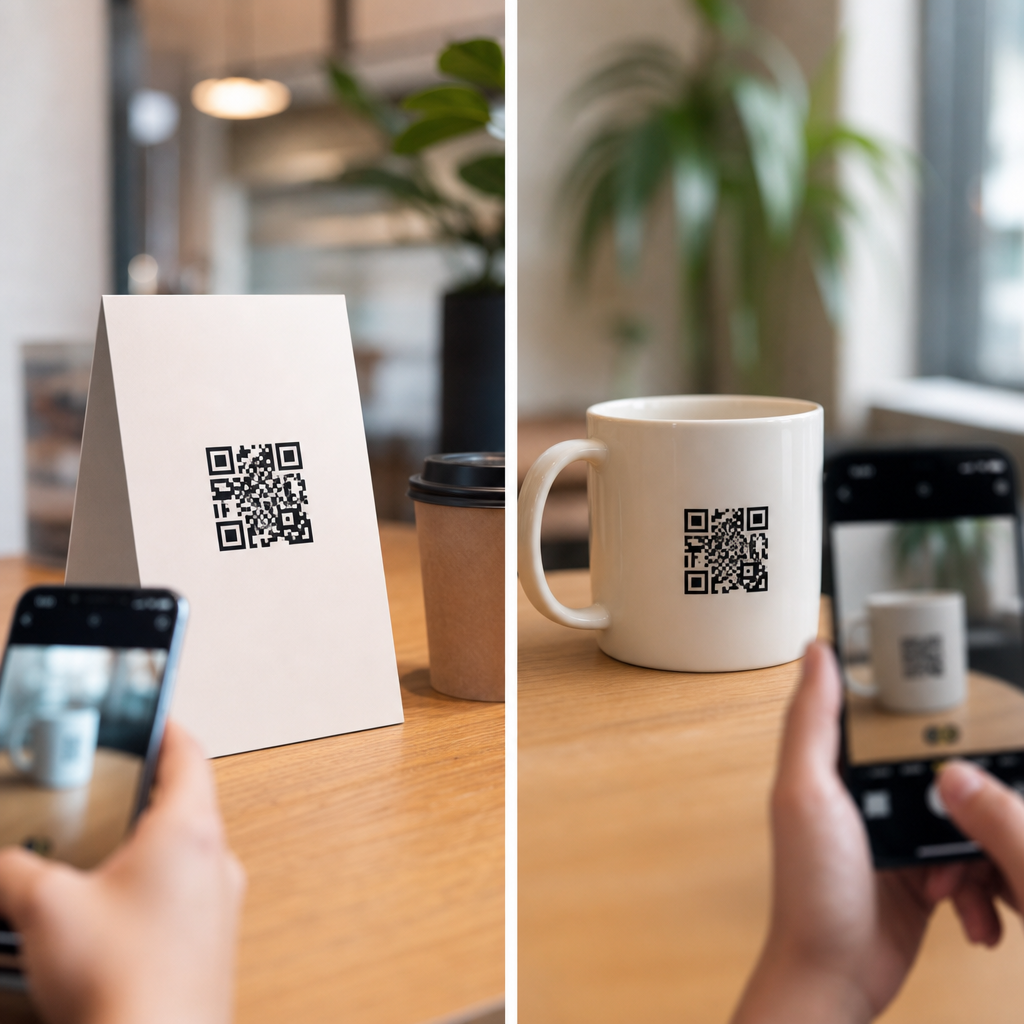
Use a consistent parameter taxonomy. I recommend fixed rules for source, medium, campaign, content, and asset ID, plus a QR-specific identifier. For example, a restaurant chain printing table tents for a loyalty push might use source=offline, medium=qr, campaign=spring_loyalty, content=table_tent, asset_id=store142_a. When the scan leads to a form integrated with HubSpot or Salesforce, hidden fields capture those values automatically. That makes it possible to compare conversion rates by store, creative, or promotion without manual cleanup.
Automation should match the buying journey. A scan from product packaging may warrant educational content and support options, while a scan from a trade show booth may justify immediate sales outreach. In HubSpot, that usually means workflows, lead scoring, and lifecycle updates. In Salesforce, it often means Campaign Member status changes, Flow automation, and assignment rules. Test every scenario on mobile devices, under slow network conditions, and across iOS and Android. QR code CRM integration fails most often because of poor landing-page performance, broken hidden fields, or duplicate record logic.
Common use cases across marketing, sales, and service
Retail and consumer brands use QR codes on packaging, shelf talkers, and receipts to capture first-party data and connect repeat buyers to CRM profiles. A cosmetics brand, for example, can place a dynamic code on packaging that leads to shade tutorials, replenishment reminders, and a loyalty signup form. Once scanned, the CRM stores the source product line and purchase context, allowing future segmentation by product interest. This is far more actionable than counting scans alone.
B2B sales teams use QR codes at trade shows, conferences, and printed collateral. Instead of sending all booth visitors to a generic homepage, a tailored code can open a landing page with a prefilled meeting request, product selector, or case study bundle. The CRM then assigns the lead based on territory, product line, or account status. Field teams also use QR codes on leave-behind materials after site visits, creating a measurable bridge between in-person meetings and digital follow-up.
Service organizations benefit from support and retention workflows. QR codes on equipment, invoices, manuals, or service stickers can direct customers to onboarding guides, maintenance forms, warranty registration, or support ticket portals. Connected to the CRM, each interaction updates the customer record and can trigger reminders or escalation rules. Healthcare, education, and real estate teams use similar patterns, though regulated industries must validate consent, storage, and access controls carefully.
Implementation mistakes to avoid and how to measure success
The biggest mistake is treating QR code generation as the project. The project is attribution and workflow design. Other common errors include using static codes for changing campaigns, sending scans to non-mobile pages, failing to standardize UTMs, ignoring duplicate management, and storing scan metrics outside the CRM. Another weak practice is routing all scans to a homepage. Specific landing pages consistently outperform generic destinations because they reduce friction and preserve intent.
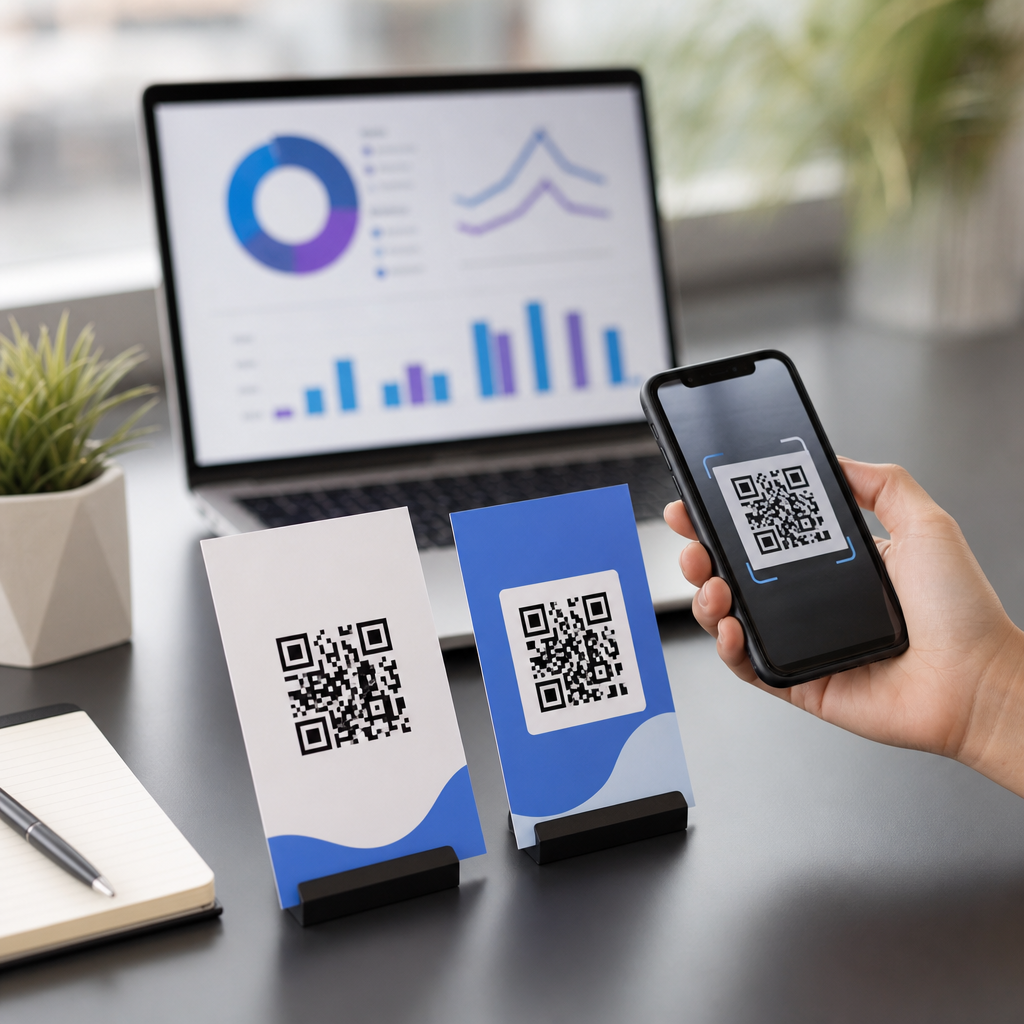
Measurement should go beyond scan count. Track scan-to-visit rate, form completion rate, qualified lead rate, meeting rate, pipeline created, revenue influenced, and time to follow-up. For service journeys, track self-service completion, ticket deflection, registration completion, or renewal uplift. If multiple channels are involved, compare QR-driven contacts against email, paid search, and organic traffic using the same attribution definitions. In mature programs, dashboards also break performance down by location, print asset, rep, or distributor.
The main benefit of the best tools for QR code CRM integration is simple: they turn offline attention into usable customer data and timely action. Dynamic code management, strong CRM connectivity, and disciplined campaign structure let teams see what actually drives conversions, not just what gets scanned. Start with one high-intent use case, choose a platform that supports governance and automation, and build reporting before you print. Once the handoff from scan to CRM is reliable, QR campaigns become a measurable growth channel rather than a disconnected tactic. Review your current stack, map one workflow end to end, and deploy a pilot you can scale confidently.
Frequently Asked Questions
What should businesses look for in the best tools for QR code CRM integration?
The best tools for QR code CRM integration should do more than simply generate a scannable code. They should connect scan activity to real customer records, support campaign attribution, and automate what happens after a person interacts with the code. In practical terms, that means the platform should let you create dynamic QR codes, route scans to branded landing pages, capture form submissions, and send that data directly into your CRM without manual entry.
Strong integrations with major CRM platforms such as Salesforce, HubSpot, Zoho CRM, Microsoft Dynamics, and other sales or marketing systems are especially important. Businesses should also look for support for lead source tracking, UTM parameters, webhook functionality, API access, and native automation triggers. These capabilities make it possible to identify where a lead came from, segment contacts based on scan behavior, and trigger follow-up sequences automatically.
Analytics is another major factor. A quality tool should show scan location, device type, time of interaction, conversion rates, and campaign-level performance so teams can evaluate what is actually working. Security, permission controls, and compliance support also matter when customer data is involved. Ultimately, the right platform is one that turns a simple QR scan into a measurable, trackable CRM event that supports sales, marketing, and customer retention goals.
How do QR codes connect offline marketing campaigns to a CRM system?
QR codes bridge the gap between physical touchpoints and digital customer tracking. When a person scans a code printed on packaging, signage, direct mail, product inserts, invoices, or in-store displays, the QR code sends them to a digital destination such as a landing page, form, product page, booking page, or support portal. From there, the business can capture customer information and send it into a CRM platform as a new lead, contact update, activity log, or campaign response.
The connection becomes much more valuable when the QR code is dynamic and tied to campaign metadata. For example, a business can assign different QR codes to different mailers, store locations, sales reps, events, or product lines. When a lead scans the code and completes an action, the CRM can record the exact source of that interaction. This gives teams reliable attribution data instead of treating all inbound traffic as anonymous website visits.
Once integrated correctly, the workflow can be highly automated. A scan can trigger a form submission, which creates or updates a contact in the CRM, assigns the lead to a sales rep, adds the person to an email nurture sequence, and logs the campaign source for reporting. This is what makes QR code CRM integration so useful: it transforms offline engagement into structured, actionable customer data that teams can use to follow up faster and measure return on investment more accurately.
Which types of businesses benefit most from QR code CRM integration tools?
Nearly any business that interacts with customers through both physical and digital channels can benefit from QR code CRM integration, but the value is especially high for organizations that rely on lead generation, customer support, and campaign measurement. Retail brands can use QR codes on packaging or shelf displays to drive product education, loyalty signups, or post-purchase engagement while capturing customer intent inside the CRM. Real estate teams can place codes on property signage or brochures to track interest by listing and route inquiries directly to agents.
B2B companies also see strong benefits. Trade show booths, printed sales collateral, business cards, and direct mail campaigns can all use QR codes to direct prospects to tailored landing pages and automatically feed those interactions into the CRM. Healthcare providers, education organizations, home services companies, restaurants, and automotive businesses can also use QR-linked forms, appointment requests, service pages, and feedback surveys to connect offline interactions to customer profiles.
Customer support and retention teams benefit as well. A QR code printed on invoices, product manuals, receipts, or packaging can lead customers to support resources, warranty registration, onboarding content, or service request forms. When those interactions are tied to a CRM, businesses gain a fuller picture of the customer journey beyond just the initial sale. In short, any organization that wants to track offline engagement, personalize follow-up, and improve attribution can benefit from the right QR code CRM integration tool.
Are dynamic QR codes better than static QR codes for CRM integration?
Yes, in most business cases, dynamic QR codes are significantly better than static QR codes for CRM integration. A static QR code points permanently to one destination and cannot be changed after printing. That may be acceptable for a simple one-time use, but it becomes limiting when campaigns need to evolve, links need updating, or businesses want better analytics. Dynamic QR codes, by contrast, use a redirect that lets you change the destination URL without reprinting the code.
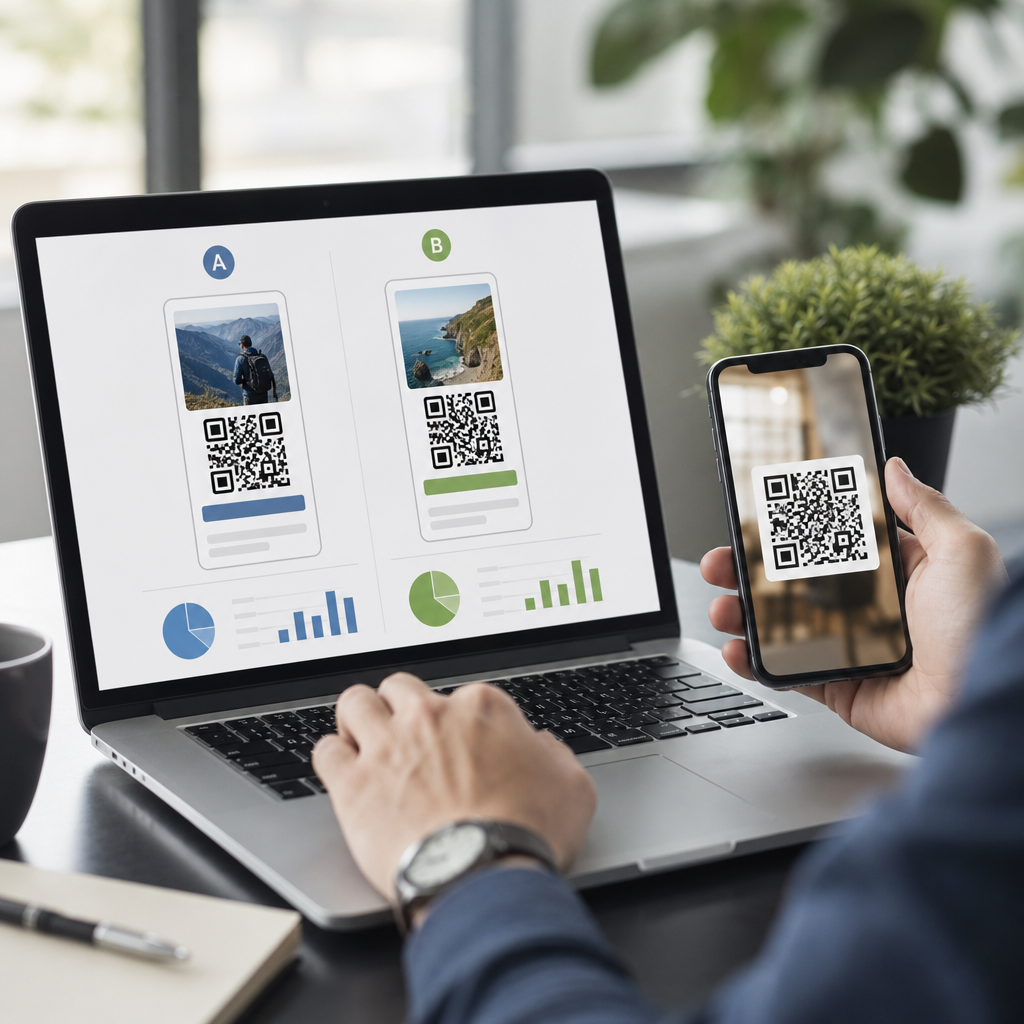
That flexibility is especially valuable in CRM workflows. A business can keep the same printed QR code on packaging, signage, or mail pieces while updating the landing page, form, offer, or automation logic behind it. Dynamic systems also make it easier to track scan activity in detail, attribute responses to specific campaigns, and create segmented customer journeys. For instance, a company might use one QR code for a printed brochure, but change its destination over time based on season, product availability, or regional promotions.
Dynamic QR codes also support better testing and optimization. Marketing teams can compare landing page performance, adjust follow-up workflows, and monitor conversions while keeping attribution data intact. For CRM integration, this means more control, more accurate reporting, and less operational friction. While static codes are simple and inexpensive, dynamic QR codes are usually the smarter choice when the goal is to capture leads, automate workflows, and connect scan behavior to ongoing customer relationship management.
How can businesses measure success after implementing a QR code CRM integration tool?
Success should be measured across both engagement and business outcomes. At the top of the funnel, businesses should track scan volume, unique scans, scan-to-visit rate, landing page conversions, form completions, and source-specific engagement. These metrics show whether the QR code placement, offer, and user experience are effective. Because the codes are integrated with the CRM, teams can go further and measure how many scans become qualified leads, appointments, support requests, purchases, or repeat customer interactions.
Campaign attribution is one of the biggest performance advantages. Businesses can compare direct mail versus packaging inserts, storefront signage versus event materials, or one region versus another. Instead of relying on guesswork, they can use CRM data to see which QR campaigns generate real pipeline value. Sales teams can monitor lead response times, progression through deal stages, and close rates tied to QR-originated leads. Marketing teams can evaluate cost per lead, cost per opportunity, and overall return on campaign spend.
Long-term success also includes operational efficiency and customer experience improvements. If QR code CRM integration reduces manual data entry, speeds up lead routing, improves support response times, or increases the relevance of follow-up communication, that is measurable value. The most effective businesses review both the scan analytics and downstream CRM results regularly, then refine code placement, messaging, landing pages, and automation rules. That continuous optimization is what turns QR code CRM integration from a useful tactic into a scalable growth system.