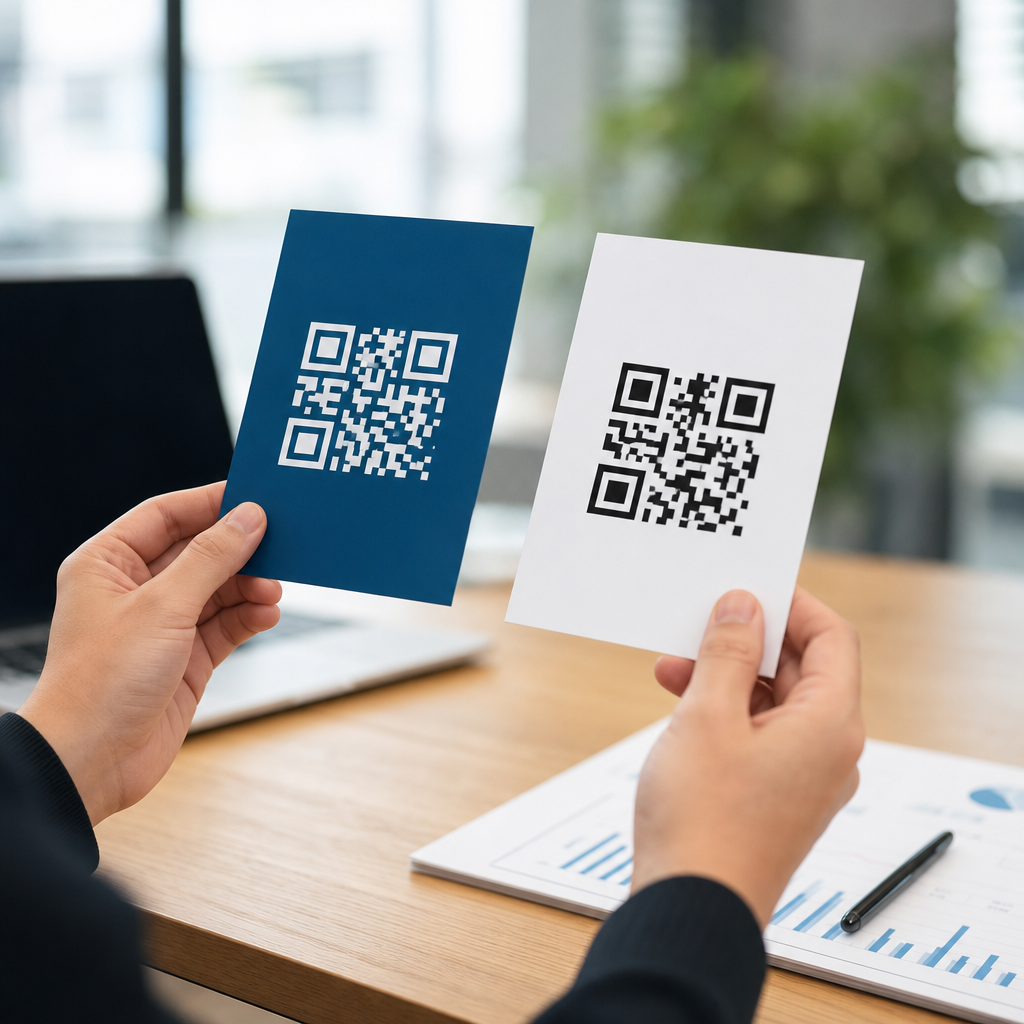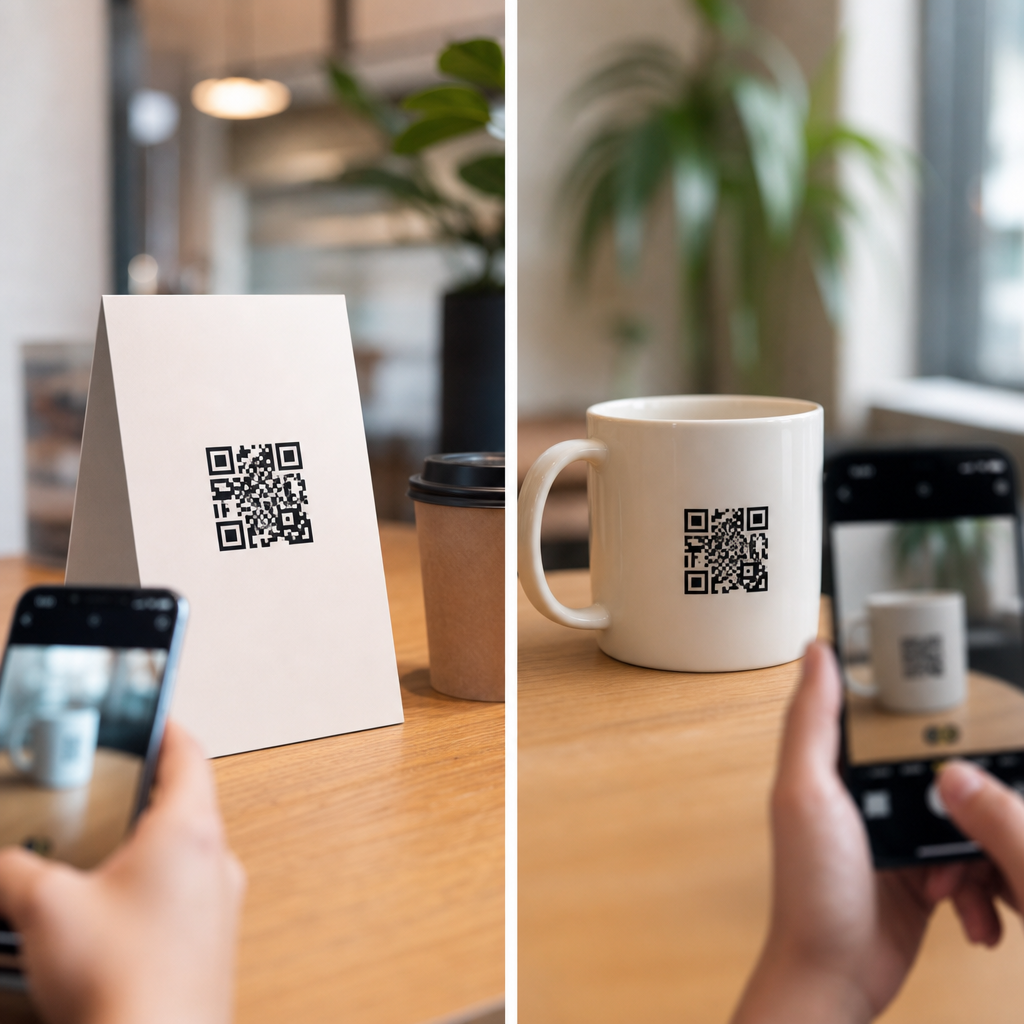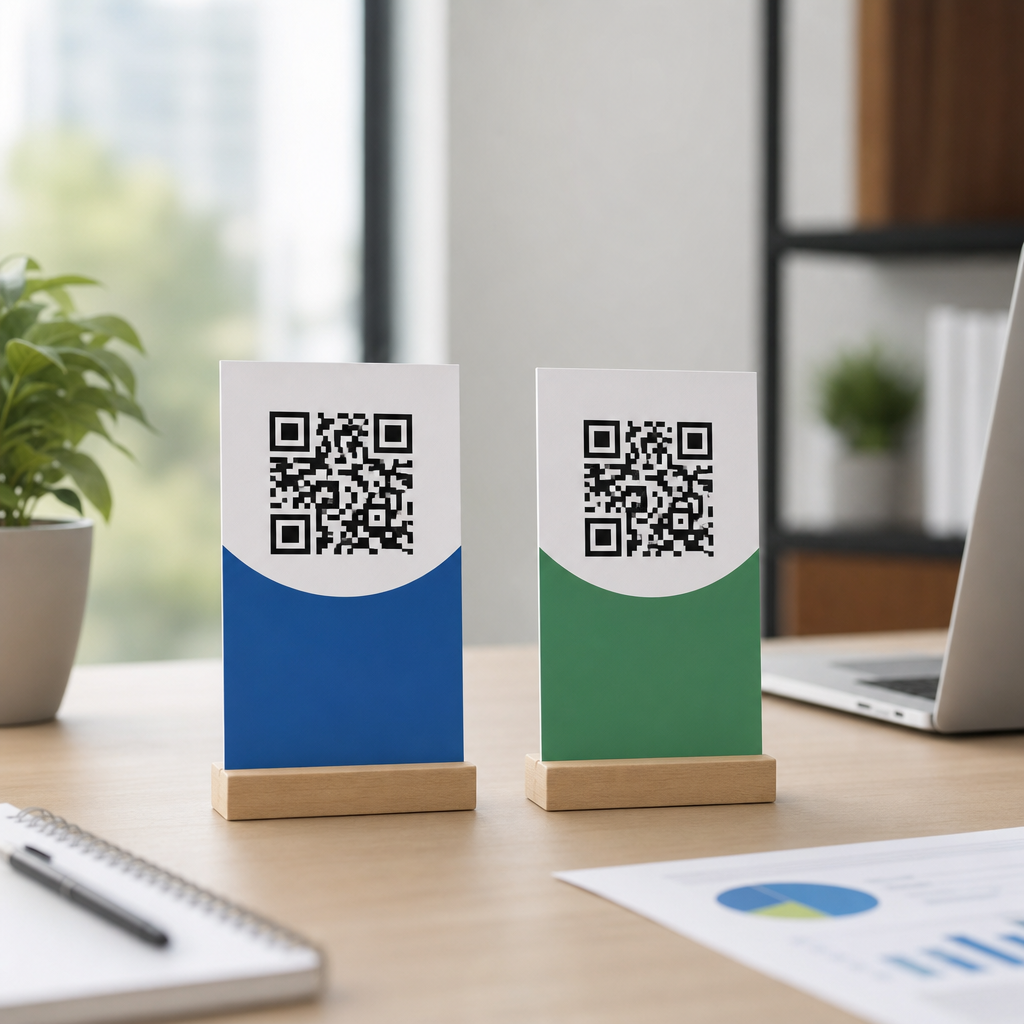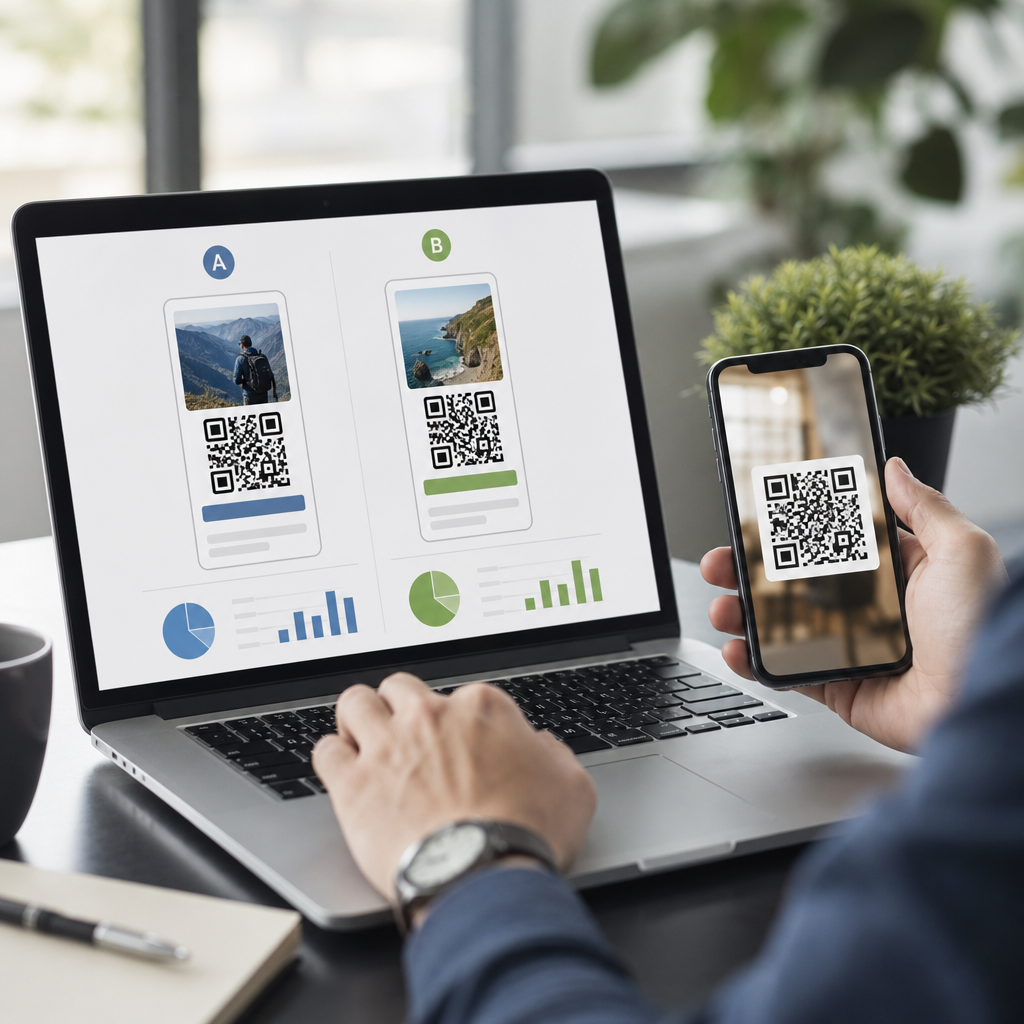

A/B testing QR codes in print vs digital campaigns reveals how channel context changes scan behavior, conversion quality, attribution accuracy, and ultimately return on marketing spend. A/B testing compares two controlled variants to determine which version produces a better outcome, while QR codes are scannable matrix barcodes that connect offline or digital touchpoints to a landing page, app, form, coupon, or tracked experience. In practice, I have found that teams often treat the code itself as the variable, when the real performance difference usually comes from creative placement, surrounding copy, audience intent, and landing-page continuity. That distinction matters because a QR code on packaging, direct mail, in-store signage, email, paid social, or a website does not operate under the same viewing conditions. Print placements compete with physical environment, distance, lighting, and camera angle. Digital placements compete with screen size, app friction, and whether another device is needed to scan. If you want reliable uplift data, you need a disciplined testing framework that separates medium effects from offer effects. This hub article explains how to plan, execute, measure, and interpret A/B testing QR codes across print and digital campaigns so each result becomes a usable decision, not just an interesting scan count.
Why does this matter now? Because QR codes have moved beyond pandemic-era menus and into mainstream performance marketing. Consumers are comfortable scanning codes on product packaging, event signage, catalogs, receipts, display ads, connected TV screens, and retail windows. At the same time, marketers are under pressure to prove incrementality across channels that do not share the same attribution model. QR codes can bridge that gap, but only if they are tested rigorously. A scan is not the goal; a qualified action is. Good testing shows whether a larger code increases scans, whether a stronger incentive improves conversion rate, whether print drives higher-intent visits than digital, and whether one audience segment needs a shorter path after the scan. When built correctly, these experiments inform creative strategy, media planning, and lifecycle optimization across your broader advanced QR code program.
What A/B testing QR codes actually measures
The clearest way to define A/B testing QR codes is this: you expose comparable audiences to two versions of a QR-driven experience, hold as many variables constant as possible, and measure differences in a chosen outcome. That outcome could be scan rate, unique scans, landing-page sessions, form completion, coupon redemption, app install, add-to-cart rate, or revenue per scan. In my campaigns, the most useful primary metric is rarely total scans because scan volume can reward curiosity over commercial value. Instead, I typically compare scan-to-conversion rate and revenue per exposed impression, then review secondary metrics such as bounce rate, time to complete, and repeat visits.
Print and digital create different measurement realities. In print, exposure is estimated through circulation, foot traffic, handouts distributed, or in-store impressions. In digital, impressions, clicks, viewability, and audience segmentation are easier to capture, but QR scans may be artificially limited if the user is seeing the code on the same device they would need to use for scanning. That is why many digital QR tests underperform not because the code is weak, but because the environment discourages action. A fair test starts by defining what “success” means in each medium and whether the comparison is scan efficiency, downstream conversion quality, or blended cost efficiency.
Designing clean experiments for print and digital
A valid test begins with one meaningful variable. Change only one major factor at a time: code size, placement, call to action, incentive, destination, color treatment, or supporting visual. If you change the offer, the headline, and the landing page at once, you have a creative refresh, not an A/B test. For print, I usually test size and placement first because physical discoverability is often the biggest constraint. A QR code buried near legal text on a poster will lose to one placed at natural eye level beside a concise value statement such as “Scan for 15% off today.” For digital, I test prompt framing and usage context first. A QR code embedded in a webinar slide with “Scan to download the checklist” behaves differently from one shown in a display ad where the viewer has only seconds to react.
Consistency matters. Use the same destination page architecture when comparing print and digital unless the specific hypothesis is that the post-scan experience should differ by channel. Keep UTM parameters, naming conventions, and analytics events standardized. Dynamic QR codes are essential because they let you preserve the visible code while changing the destination, adding campaign tags, or pausing a variant without reprinting every asset. Platforms such as Bitly, QR Code Generator PRO, Beaconstac, and Uniqode support dynamic destination management and scan analytics. On the analytics side, connect scans to GA4 events, CRM source fields, and, where possible, point-of-sale or ecommerce transaction data. Without that linkage, you risk optimizing for the easiest metric to collect rather than the metric that reflects business value.
| Test Variable | Print Example | Digital Example | Primary Metric |
|---|---|---|---|
| Placement | Top-right of direct mail panel vs bottom fold | Webinar slide opening frame vs closing frame | Unique scans per exposure |
| Call to action | “Scan for menu” vs “Scan for 10% off tonight” | “Scan to learn more” vs “Scan to claim offer” | Scan-to-conversion rate |
| Code size | 0.8 inch vs 1.25 inch on packaging | 180 px vs 280 px in presentation | Successful scan rate |
| Destination | Mobile landing page vs short form | Product page vs app deep link | Revenue per scan |
Print campaign testing: where physical conditions dominate results
Print QR code tests succeed or fail on usability before persuasion. The code must scan quickly from the likely viewing distance, under uneven lighting, on different phone cameras, and without visual distortion from folds, glossy finishes, or curved surfaces. Industry guidance often recommends a minimum size around 2 x 2 centimeters for close-range scans, but practical sizing should scale with distance. A code on a trade show banner several feet away needs significantly more space and stronger contrast than one on product packaging held in hand. Quiet zone, error correction level, and contrast ratio matter as much as creative appeal. I have seen beautifully designed mailers lose scans because the brand team inverted colors, added patterns behind the code, or squeezed the quiet zone to fit a layout.
The best print A/B tests usually examine placement, incentive, and context. For example, a restaurant postcard may compare a front-panel code with “Reserve your table” against a back-panel code with “See tonight’s prix fixe menu.” The front-panel version may generate more scans, but the menu variant may produce more bookings because it attracts diners with higher intent. Retail packaging often shows the same pattern. “Scan for product details” may underperform “Scan for setup video” if the item requires assembly, because the second message solves an immediate problem. Print also allows durable exposure. A catalog, flyer, receipt, or package can sit on a counter for days, producing delayed scans. That means you should run print tests long enough to capture lagging behavior and avoid ending a test too early.
Digital campaign testing: friction, device context, and audience intent
Digital QR code testing is more nuanced than many teams expect. A QR code on a desktop landing page can work well because the user has a phone available for continuity into an app or mobile experience. A QR code inside a mobile ad is usually a poor choice because the same device cannot conveniently scan itself. That sounds obvious, yet I still audit campaigns where mobile-heavy placements depress scan rates and lead marketers to conclude the creative is weak. In digital environments, the first question is whether a QR code is the right interaction pattern at all. Sometimes the proper A/B test is QR code versus click-through button, not QR variant A versus QR variant B.
Where digital QR codes shine is cross-device movement. Connected TV, streaming ads, event screens, digital out-of-home, webinars, and desktop email are ideal environments because viewers can scan with a phone while continuing to watch. In these settings, timing and dwell time become critical variables. A CTV spot that shows a code for two seconds will generally lose to one that keeps the code on screen for eight seconds with a clear offer and verbal prompt. Webinars benefit from repetition: one test can compare a persistent lower-corner code against a dedicated full-screen callout at the end. Audience intent also changes outcomes. A prospecting social campaign may drive curiosity scans with low conversion quality, while a retargeting email shown on desktop may generate fewer scans but much higher downstream revenue.
Measurement, attribution, and statistical confidence
Reliable analysis depends on matching metrics to the channel. For print, estimate denominator carefully: mailed quantity, in-store visitors, event attendance, or display circulation. For digital, use impressions adjusted for viewability where available. Distinguish total scans from unique scanners, and separate successful destination loads from failed scans caused by weak signal or page issues. GA4 custom events, server-side redirects, and first-party CRM fields help connect scan sessions to leads and sales. If redemption happens offline, use coupon codes, POS prompts, or loyalty IDs to close the loop.
Statistical confidence matters because QR campaigns often have smaller sample sizes than standard paid media tests. Set a minimum detectable effect before launch. If you expect only a 5% difference, you may need far more exposure than a limited print run can provide. I prefer sequential monitoring with a fixed decision rule rather than peeking daily and declaring a winner at the first spike. Also watch for confounders: store location, seasonality, audience mix, and fulfillment issues can distort results. A print variant distributed in suburban stores is not directly comparable to a digital variant shown to urban mobile users without normalization.
How to turn test findings into a scalable QR strategy
The value of a hub page on A/B testing QR codes is not just method; it is operational reuse. Build a testing backlog by funnel stage: awareness, consideration, purchase, onboarding, and retention. Document each hypothesis, variable, audience, placement, and metric in a shared template. Then translate wins into standards. If packaging tests show setup-video prompts outperform product-detail prompts by 22% in scan-to-completion rate, make that your default for assembly-required products. If desktop email QR codes drive more app sign-ins than direct download buttons among existing customers, expand that pattern across lifecycle campaigns.
The core lesson is simple: print and digital QR codes should not be judged by the same assumptions, even when they serve the same offer. Print rewards physical usability and persistent visibility. Digital rewards cross-device convenience and strong timing. The best A/B testing QR codes program isolates one variable, uses dynamic tracking, measures business outcomes beyond scans, and respects channel-specific behavior. Apply that discipline, and QR codes become a dependable optimization lever instead of a novelty. Start with one high-traffic print asset and one high-intent digital placement, run a clean test, and use the data to build your next advanced QR code win.
Frequently Asked Questions
What makes A/B testing QR codes in print campaigns different from testing them in digital campaigns?
The biggest difference is context. In print, a person must notice the QR code, decide it is worth scanning, open their camera, and complete the scan in a physical environment that may include poor lighting, awkward viewing angles, small placement, or limited time. In digital, the user is already on a screen, often moving quickly, and may engage with a QR code very differently depending on whether it appears on a desktop monitor, connected TV, presentation slide, email, or social graphic. Because of this, the same QR code design or call to action can perform very differently across channels even when the destination URL is identical.
Print testing tends to be heavily influenced by physical variables such as code size, quiet zone, contrast, placement on the page, surrounding design clutter, and the exact wording that tells people why they should scan. Digital testing still involves visual design and messaging, but device behavior matters more. For example, someone viewing a QR code on a mobile phone cannot easily scan it with that same phone unless they use a screenshot workflow or a built-in scanning tool. Someone viewing it on a laptop or a TV may have a much smoother path. That means scan rate, friction, and intent can vary dramatically by digital environment.
Another important distinction is attribution quality. Print often creates a clearer “this scan came from this asset” signal when unique codes are assigned to postcards, flyers, packaging, or store displays. Digital can be more complex because users may see the code, ignore it, click a nearby link instead, revisit later through another channel, or share the destination URL without scanning. As a result, A/B testing QR codes across print and digital is not just about which version gets more scans. It is about understanding how channel context changes scan behavior, downstream conversion quality, and the confidence you can have in your measurement.
What variables should be tested when running an A/B test for QR codes across print and digital media?
Start with one controlled variable at a time so you can trust the result. In most campaigns, the highest-impact variables are the call to action, the offer or value proposition, the placement of the code, and the landing page experience after the scan. For example, “Scan to save 20%” may outperform “Scan to learn more” because it gives a clearer reason to act. Likewise, placing a QR code on the front panel of a mailer may generate more scans than placing it on the back, and putting a code near product packaging instructions may outperform placing it next to broad brand messaging.
Design variables also matter. In print, test code size, whitespace around the code, contrast, and whether branded styling helps or hurts scan reliability. A visually customized QR code may align better with brand guidelines, but if customization reduces readability, scan performance can drop. In digital, test where the code appears on the screen, how long it remains visible, whether supporting text explains the benefit, and whether a different format such as a direct clickable button would be more effective in that environment. Many teams discover that the QR code itself is not the main lever; the messaging and the surrounding experience often drive the largest performance difference.
You should also test destination alignment. A code that sends users to a general homepage rarely performs as well as one that opens a mobile-optimized, campaign-specific experience matched to the promise near the code. If the print piece offers a coupon, the landing page should immediately deliver that coupon. If the digital code invites app downloads, the destination should detect device type and route users appropriately. Good A/B testing isolates these factors rather than bundling too many changes into one test, because otherwise you may know one variant won without understanding why it won.
Which metrics matter most when evaluating QR code A/B tests in print versus digital campaigns?
Scan rate is the obvious starting point, but it is only the top of the funnel. A strong test should track scans, landing page sessions, engagement after the scan, conversion rate, conversion quality, revenue or lead value, and return on marketing spend. If one variant generates more scans but those users bounce quickly or convert poorly, it may not be the better business outcome. This is especially common when one call to action creates curiosity while another creates qualified intent. The first may win on scans, while the second wins on revenue or lead quality.
For print, it is useful to calculate exposure-to-scan efficiency when you have reasonable circulation or distribution estimates, such as mail volume, in-store foot traffic, or event attendance. For digital, impression data is often more readily available, so you can compare impression-to-scan rate and then analyze how scans compare with standard click behavior in the same placement. In both channels, time to conversion, repeat visits, assisted conversions, and downstream behavior such as form completion, purchases, or store visits can reveal whether a QR interaction is driving meaningful action or simply superficial engagement.
Attribution metrics deserve special attention. A QR code may produce direct, trackable visits, but users do not always convert immediately. Some come back later through organic search, direct traffic, or email. If you only credit last-click conversions, you may undervalue the QR campaign. On the other hand, if your setup is too loose, you may over-credit scans for conversions that would have happened anyway. The best practice is to review both immediate performance metrics and assisted conversion signals, using unique tracking parameters, campaign-level segmentation, and a consistent attribution framework so print and digital results can be compared fairly.
How can marketers improve attribution accuracy when A/B testing QR codes in print and digital campaigns?
The foundation is unique tracking for every meaningful variant. Each A/B version should have its own QR code that resolves to a distinct, tagged destination URL. If you reuse the same destination across multiple assets, channels, placements, or audiences, attribution becomes muddled very quickly. At minimum, use campaign parameters that distinguish source, medium, creative version, placement, and date range. In print, you may need separate codes for each publication, store location, mail segment, packaging run, or event booth. In digital, you may need separate codes for desktop display, webinar slides, connected TV creative, social graphics, or out-of-home digital screens.
It also helps to standardize your measurement stack before launching the test. That means confirming analytics tags fire correctly on the landing page, defining what counts as a conversion, setting up event tracking for key actions, and making sure redirects do not strip campaign parameters. If a QR code routes through a shortener or dynamic redirect platform, test the full scan path thoroughly. Many attribution problems come from technical gaps rather than strategy mistakes, such as broken mobile pages, lost UTM parameters, or cross-domain handoff issues during checkout or form submission.
Finally, be realistic about attribution limits. Not every scan leads to an immediately trackable conversion, and not every conversion can be cleanly tied back to the original QR interaction. People may scan, browse, leave, and return days later through another device or another channel. To improve confidence, combine direct analytics data with broader campaign evidence such as lift by geography, holdout comparisons, offer redemption patterns, CRM matchback, or store-level performance trends. The goal is not perfect attribution in every case; it is a measurement approach strong enough to compare variants credibly and guide budget decisions with less guesswork.
What are the most common mistakes teams make when A/B testing QR codes, and how can they avoid them?
The most common mistake is treating the QR code as the only thing being tested. In reality, performance usually depends on the full experience: who sees the code, where they see it, what message is attached to it, how easy it is to scan, and what happens immediately after the scan. Teams often say they are “testing QR codes” when they are really changing three or four variables at once, such as code design, call to action, page layout, and offer. That makes the result harder to interpret. Keep the test disciplined by changing one major variable at a time and documenting the hypothesis clearly.
Another frequent error is optimizing for scans alone. A code that gets more scans because it is larger, more prominent, or paired with a vague curiosity-driven prompt may not produce better leads or sales. A more qualified call to action can attract fewer scanners but stronger converters. This is why conversion quality and business outcomes matter. Similarly, some teams forget that mobile experience is part of the test. If the landing page loads slowly, displays poorly on mobile, or asks for too much information too soon, even a high-performing QR placement can look weak in the final analysis.
There are also practical execution mistakes: printing codes too small, placing them on curved or reflective surfaces, using low contrast, failing to leave enough quiet space around the code, showing a digital QR code too briefly, or displaying it in a place where users cannot conveniently scan it. In analytics, teams often make the mistake of reusing URLs, failing to segment by variant, or declaring winners with too little sample size. To avoid these issues, establish test criteria in advance, verify scanability in real conditions, ensure the destination is mobile-first, assign unique tracking to every variant, and evaluate results using both statistical discipline and business relevance. That is how QR code A/B testing becomes a dependable optimization tool rather than a collection of ambiguous scan counts.