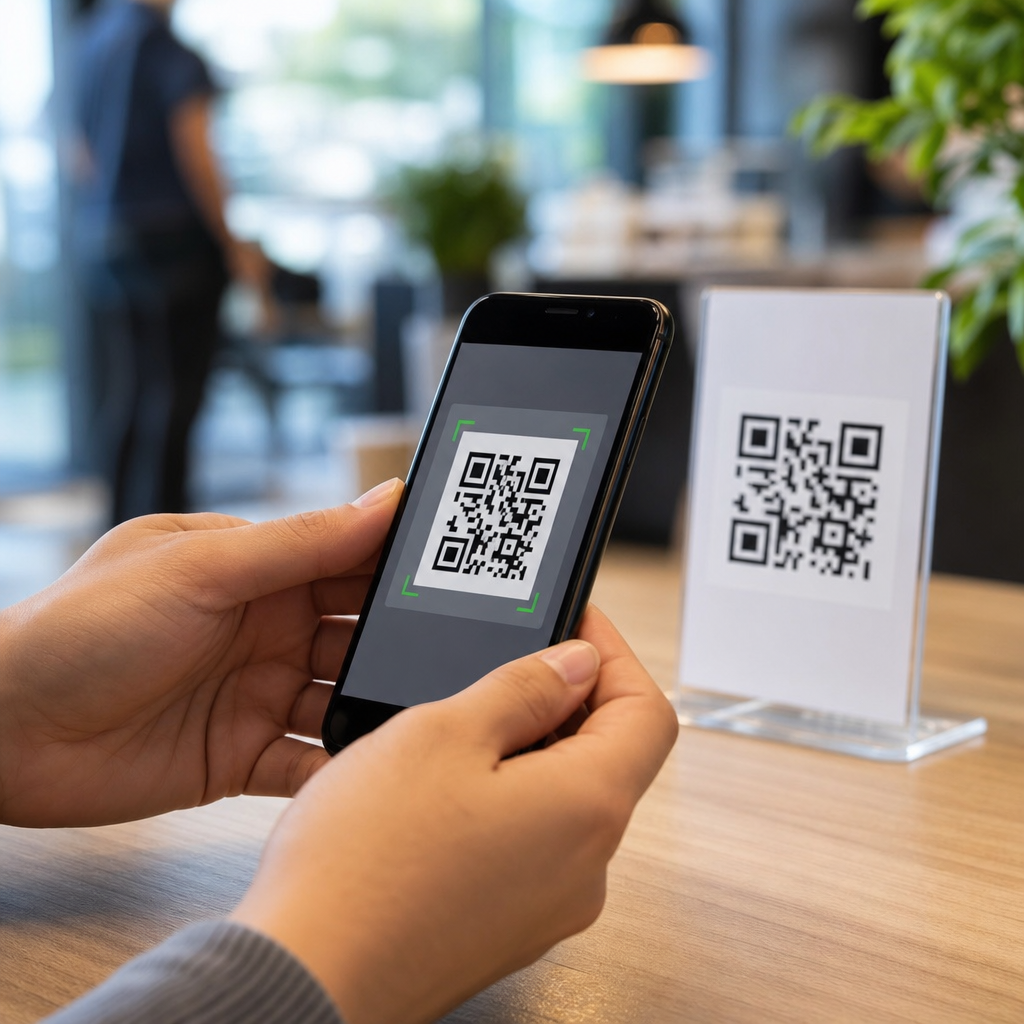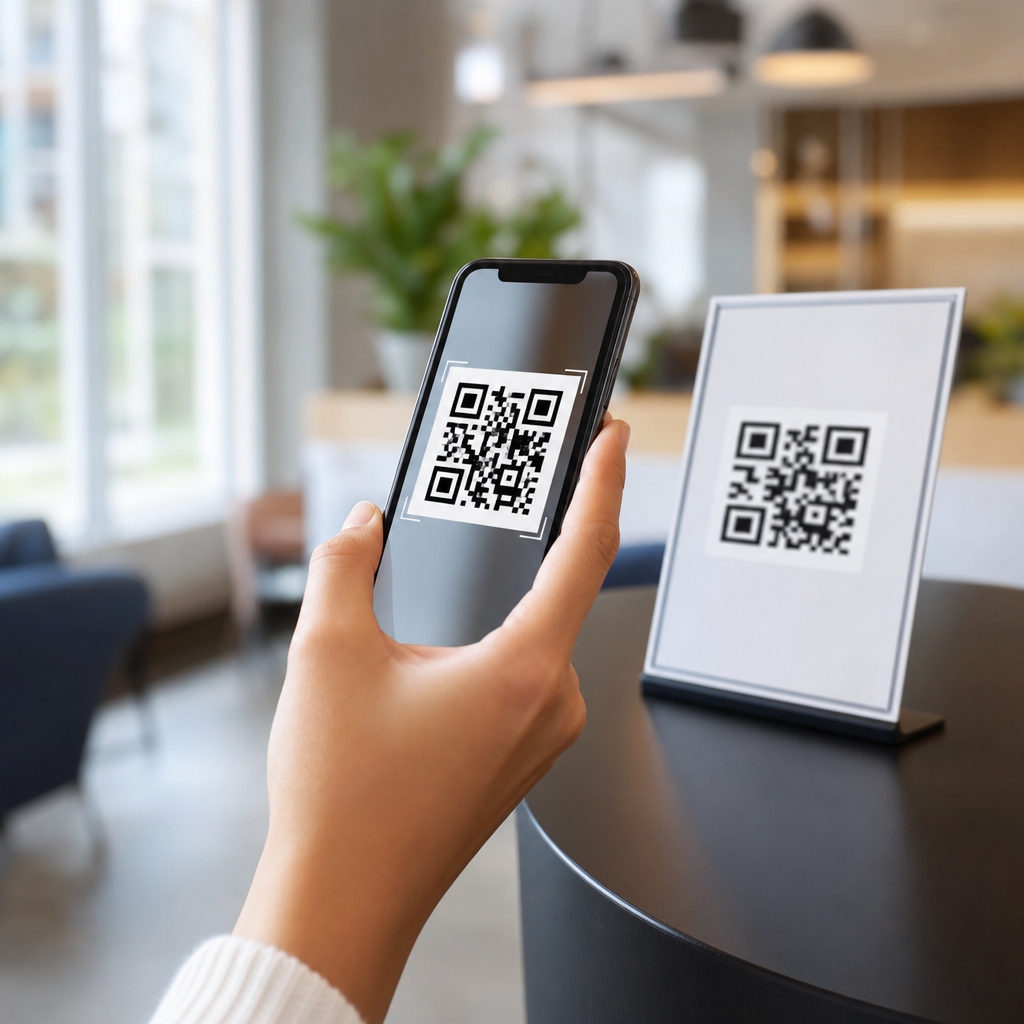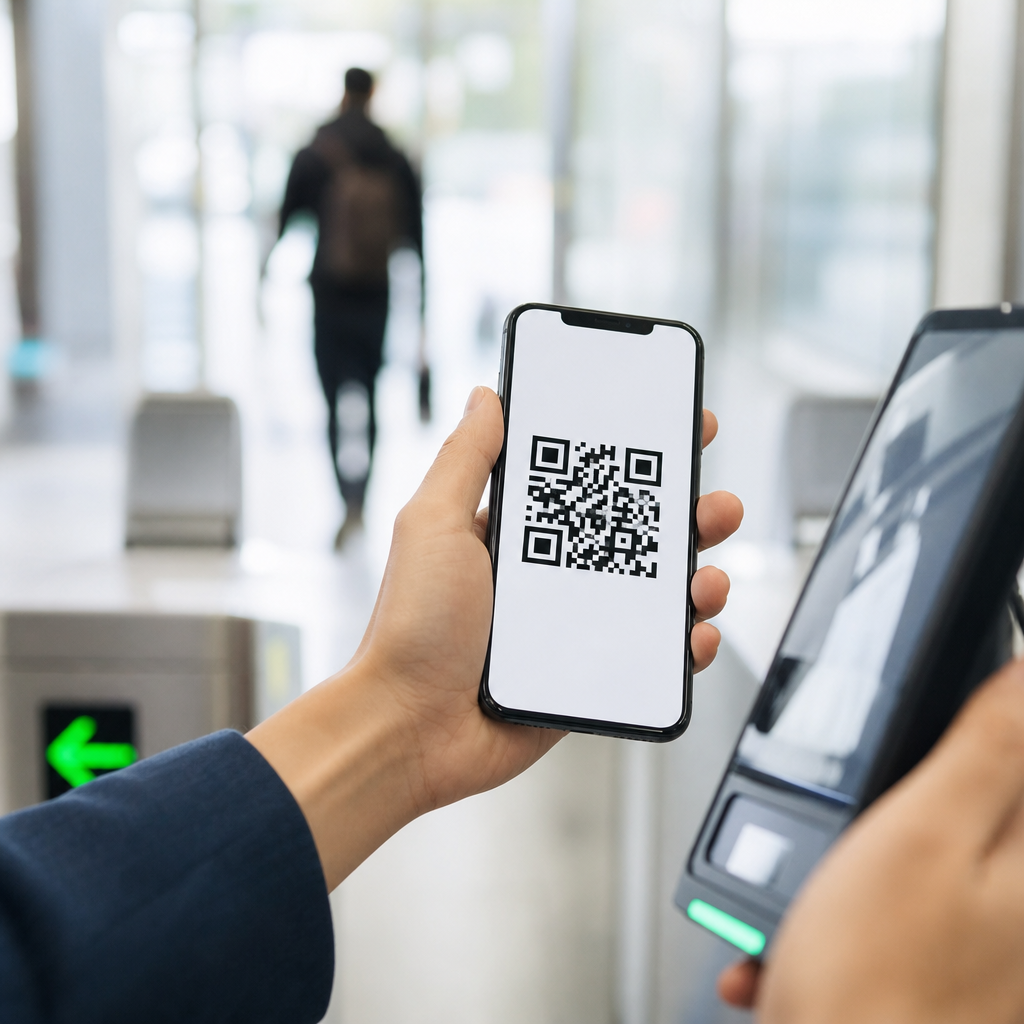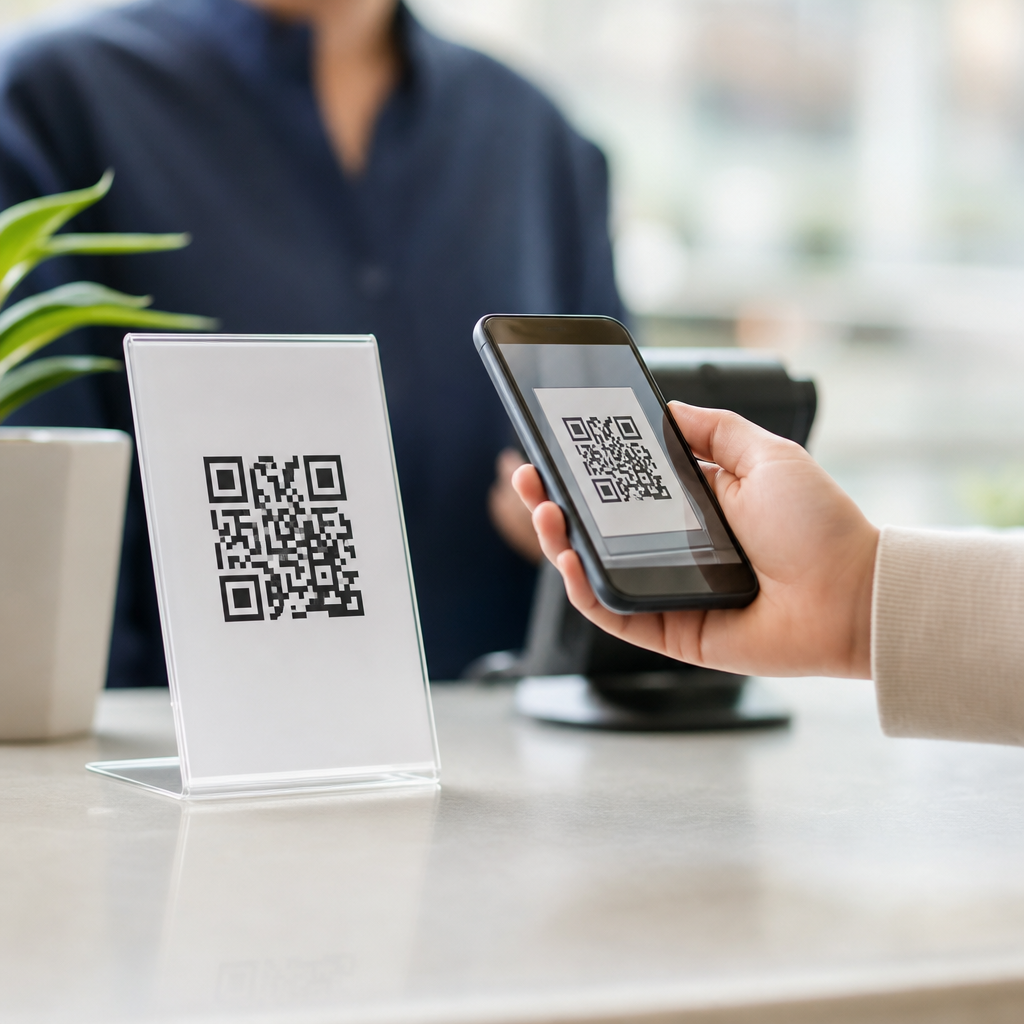
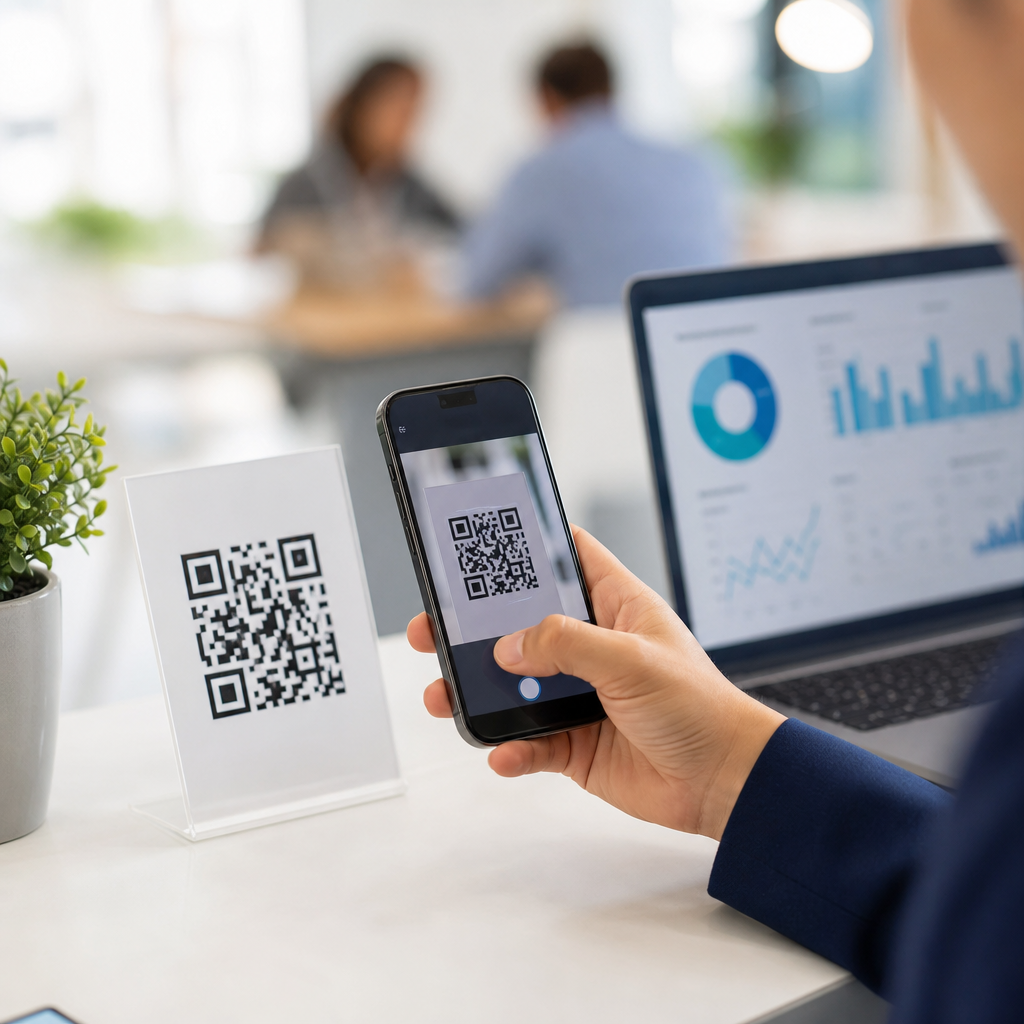
QR codes have evolved from a warehouse tracking tool into one of the most practical bridges between offline attention and online action. For marketers, retailers, restaurants, event organizers, and service businesses, the benefits of mobile QR codes are straightforward: they reduce friction, speed up response, and make engagement measurable. A QR code, or quick response code, is a two-dimensional barcode that a smartphone camera can scan to open a link, launch a payment flow, download a file, save contact details, or trigger another mobile action. Because modern phones read codes natively through iOS Camera and Google Lens, the technology no longer requires special apps in most cases.
I have used QR campaigns in storefront signage, packaging inserts, trade show booths, restaurant tables, and direct mail, and the common pattern is clear. When the destination matches the user’s immediate intent, scan rates and conversions rise because the code removes typing, searching, and guesswork. That convenience matters more than many teams realize. Every extra step between interest and action causes drop-off. Mobile QR codes shorten that path from “I’m curious” to “I did it.” They also support attribution by connecting physical placements to analytics platforms such as Google Analytics 4, CRM records, and marketing automation systems.
As a sub-pillar within Mobile QR Code Basics, this guide explains the core benefits of mobile QR codes and why they deserve a central role in omnichannel marketing. You will see how QR codes improve user experience, increase engagement, support better tracking, enable faster payments, strengthen customer education, and create practical conversion opportunities across industries. You will also see where QR codes underperform, because placement, landing page quality, and user context still determine results. Used correctly, QR codes turn static surfaces into measurable mobile touchpoints that help businesses capture attention and convert it efficiently.
Why Mobile QR Codes Increase Engagement
Mobile QR codes boost engagement because they meet users where intent already exists: on a phone, in the moment, at the point of decision. A passerby looking at a poster, a shopper handling product packaging, or a diner reviewing a menu is often willing to take the next step if that step is immediate. Scanning is easier than typing a URL, searching for a brand, or downloading a separate app. That reduction in friction is the primary reason engagement improves.
In practice, I have seen engagement lift most when the call to action is specific. “Scan to see the menu” outperforms “Scan here.” “Scan for 10% off today” outperforms a generic homepage link. Users respond when the value proposition is explicit and relevant to the setting. This aligns with established conversion principles: clarity, relevance, and speed. For example, a real estate sign with a code linking to a property page can deliver photos, pricing, virtual tours, and agent contact options instantly. The sign becomes interactive without requiring additional printed space.
Engagement also improves because QR codes fit mobile behavior. According to Statista and GSMA reporting on smartphone usage trends, mobile devices dominate digital attention globally, and consumers are comfortable using phone cameras for commerce, information, and payments. During the pandemic, QR use accelerated through touchless menus and check-ins, but the habit persisted because it solved a real convenience problem. Today, the same behavior supports loyalty enrollment, product tutorials, app downloads, reviews, and social follows.
How QR Codes Support Higher Conversion Rates
Conversion rate improvement is the most important business benefit of mobile QR codes. A conversion happens when a scan leads to a desired action such as a purchase, form submission, booking, registration, review, or payment. QR codes raise conversion potential by collapsing the path to action into one motion and one tap. Instead of asking users to remember an offer and act later, the code captures intent at the moment it is strongest.
The best-performing QR experiences are tightly aligned with context. On packaging, a code can lead to setup instructions, warranty registration, replenishment ordering, or cross-sell recommendations. In restaurants, a tabletop code can open a menu, prompt an order, collect payment, and request feedback after the meal. At events, a badge or booth code can route visitors to a lead form prefilled by campaign source, improving both completion rate and attribution quality. In each case, conversion rises because the user does not need to navigate multiple screens to find the right destination.
Dynamic QR codes are especially valuable here. Unlike static codes, dynamic codes point to a short redirect URL that can be updated without reprinting the code. That means a business can change landing pages, rotate offers, fix broken links, or run A/B tests on calls to action. I recommend dynamic codes whenever a campaign has more than a short lifespan. They support better governance and make conversion optimization practical.
| Use Case | Typical QR Destination | Primary Engagement Benefit | Primary Conversion Benefit |
|---|---|---|---|
| Retail packaging | How-to guide or reorder page | More product interaction after purchase | Repeat sales and accessory upsells |
| Restaurant table | Menu, ordering, and payment flow | Faster browsing and easier ordering | Higher table turnover and average order value |
| Event booth | Lead capture form or demo booking page | Immediate follow-up while interest is high | More qualified leads and appointments |
| Direct mail | Personalized offer landing page | Offline piece becomes interactive | Higher response rate than print-only mailers |
Measurement, Attribution, and Operational Efficiency
Another major benefit of mobile QR codes is measurability. Traditional print materials often struggle with attribution because a flyer, poster, package, or sign may influence action without generating trackable clicks. QR codes solve much of that problem by creating a scannable gateway that can be tagged with UTM parameters and connected to analytics tools. In Google Analytics 4, for example, campaign source, medium, and placement can identify whether scans came from in-store displays, direct mail, product inserts, or event signage.
This measurement capability improves budgeting and operational decisions. If one store poster placement generates far more scans than another, the merchandising team can shift creative or position. If a packaging insert drives more reorders than an email reminder, retention strategy can be adjusted. If an event booth code produces scans but few demo requests, the issue may be landing page friction rather than event traffic quality. QR data turns physical assets into testable media.
Operational efficiency matters too. In service environments, QR codes reduce staff workload by routing customers to self-service information. Hotels use them for property guides and check-in details. Manufacturers use them for digital manuals and troubleshooting. Healthcare practices use them for intake forms and post-visit instructions, though privacy and compliance requirements must be handled carefully. In each case, QR codes lower printing costs, reduce repetitive questions, and keep information current when dynamic destinations are used.
There are limits. Scan counts alone do not equal success. A high scan volume with poor on-page engagement can indicate curiosity without intent, or weak landing page relevance. Camera access, poor lighting, low contrast, tiny code size, or unreliable mobile pages also reduce performance. Good QR deployment requires technical quality, mobile-first design, and a destination that fulfills the promise made by the call to action.
Customer Experience, Trust, and Best Practices
The customer experience benefit of mobile QR codes is speed combined with control. Users decide when to scan, what to explore, and whether to proceed. That autonomy is one reason QR interactions feel less intrusive than some push notifications or aggressive pop-ups. However, trust must be earned. People are more likely to scan when the brand is recognizable, the destination is described clearly, and the context feels legitimate. A code on official packaging or a well-designed sign carries more credibility than an unexplained sticker.
Best practices are consistent across industries. Use high contrast, leave adequate quiet space around the code, and test scanning distance before production. Include a strong instruction such as “Scan to compare plans” or “Scan to watch setup in 60 seconds.” Send users to a page built for mobile speed, ideally passing Core Web Vitals thresholds for loading and visual stability. If the code is part of a conversion flow, keep forms short and use autofill wherever possible. For payment or account actions, use secure HTTPS pages and recognized processors such as Stripe, PayPal, Square, or native wallet options.
Accessibility should also be considered. A QR code should not be the only path to important information; include a short URL when possible. In regulated settings or public spaces, provide readable instructions and support for users who cannot scan easily. These details matter because the real advantage of QR codes is not novelty. It is dependable convenience at scale. When businesses treat QR codes as a serious mobile channel rather than a decorative add-on, they create smoother journeys, better data, and more conversions from the attention they already earn.
Mobile QR codes boost engagement and conversions because they connect physical moments to digital actions with very little friction. They improve response rates by removing typing and search steps, raise conversion potential by capturing intent immediately, and strengthen measurement by tying offline placements to analytics and CRM data. They also support practical operational gains, from self-service support to lower print dependency and faster content updates through dynamic links.
The central lesson is simple: QR codes work best when context, offer, and destination align. A clear call to action, a mobile-optimized landing page, and reliable tracking turn a basic square code into a high-performing touchpoint. Businesses that use QR codes on packaging, signage, menus, mailers, events, and service materials can educate customers, collect leads, accelerate payments, and drive repeat purchases more effectively than with static print alone.
As you build out your Mobile QR Code Basics strategy, treat this page as the hub for evaluating every use case through the same lens: what problem does the scan solve for the user, and what action should happen next? Answer those two questions well, then test placements, messages, and destinations rigorously. Start with one high-intent scenario, measure results, and expand from there.
Frequently Asked Questions
How do QR codes increase engagement compared to traditional print or display calls to action?
QR codes increase engagement by removing the extra steps that often cause people to abandon a response. Instead of asking someone to remember a URL, type it into a browser, search for a brand online, or download an app later, a QR code turns immediate interest into immediate action with a quick scan. That speed matters. When a customer sees a product display, restaurant table tent, event poster, direct mail piece, or storefront sign, their attention is at its highest in that exact moment. A QR code captures that attention and converts it into a visit, signup, purchase, booking, or download before interest fades.
They also work well because they connect offline marketing to mobile behavior, which is where most users are already comfortable acting. A printed ad can become a product page. A package insert can become a review request. A flyer can become an appointment form. This direct bridge makes campaigns more interactive and useful, which naturally drives higher participation. In practical terms, QR codes can support engagement through menus, coupons, loyalty signups, social follows, video demos, customer support pages, event registration, and payment options. The easier the path, the more likely people are to follow through.
Another reason QR codes improve engagement is that they feel intuitive and low effort. Modern smartphones can scan them with the built-in camera, so there is very little friction for the user. When businesses pair that convenience with a clear value proposition such as “Scan for 10% off,” “Scan to watch the demo,” or “Scan to book instantly,” response rates can improve significantly. In short, QR codes are effective because they align with user behavior, reduce resistance, and make it simple for interest to become measurable engagement.
What types of conversions can QR codes drive for businesses?
QR codes can drive a wide range of conversions, and that flexibility is one of their biggest strengths. For ecommerce and retail brands, a QR code can lead directly to product pages, limited-time promotions, loyalty programs, customer reviews, or mobile checkout experiences. In restaurants, QR codes can support digital menus, table-side ordering, payments, feedback forms, and rewards enrollment. Service businesses can use them to generate appointment bookings, estimate requests, consultation forms, and phone calls. Event organizers can connect attendees to ticket purchases, schedules, venue maps, sponsor offers, and post-event surveys.
They are equally valuable for lead generation and nurture. A QR code on direct mail, packaging, signage, brochures, trade show materials, or business cards can direct users to a landing page built specifically for that audience. From there, a business can collect email addresses, encourage newsletter signups, offer downloadable resources, or move visitors into a sales funnel. Because the code is easy to scan and the destination can be highly targeted, QR-driven traffic often arrives with strong intent. These are not casual impressions alone; they are people actively choosing to engage.
QR codes can also support micro-conversions that lead to larger outcomes over time. Examples include app downloads, video views, social media follows, account registrations, wishlist additions, and customer feedback submissions. These actions may not always be the final sale, but they are meaningful indicators of interest and movement through the customer journey. When used strategically, QR codes do more than send traffic somewhere. They guide users toward specific actions that support awareness, trust, retention, and revenue.
Are QR codes measurable, and how can businesses track their performance?
Yes, QR codes are highly measurable when they are set up correctly, which is a major advantage over many traditional offline marketing tools. Businesses can track scans, time of activity, device type, approximate location data, and the performance of the landing page users visit after scanning. This allows marketers to see not only whether people engaged, but also when, where, and how they responded. That kind of visibility makes QR codes especially valuable in campaigns that combine physical materials with digital conversion goals.
The most effective way to track performance is by using dynamic QR codes linked to trackable URLs. Dynamic codes let businesses update the destination without reprinting the code, and they often include built-in analytics. Marketers can also add UTM parameters to the linked URL so traffic appears clearly in analytics platforms such as Google Analytics. This helps attribute visits, conversions, and user behavior to specific placements, such as a product label, store sign, mailer, event booth, or print advertisement. If the same campaign uses multiple QR codes, each one can point to a unique URL variation, making it easier to compare which location or message generates the best results.
To evaluate success, businesses should look beyond scan volume alone. A high number of scans is useful, but conversion metrics matter more. It is important to measure outcomes such as purchases, form submissions, coupon redemptions, reservations, downloads, and repeat visits. Testing also plays a major role. Brands can experiment with different calls to action, designs, landing pages, and placements to improve results over time. When QR codes are paired with clear goals and proper analytics, they become a practical performance marketing tool rather than just a convenience feature.
What makes a QR code campaign effective for boosting conversions?
An effective QR code campaign starts with clarity of purpose. The user should know exactly what will happen when they scan and why it is worth doing. A vague prompt like “Scan here” is much less persuasive than a benefit-driven message such as “Scan to claim your discount,” “Scan to order now,” or “Scan to get the full guide.” Strong QR campaigns are built around a specific conversion goal, whether that is generating leads, increasing sales, collecting reviews, promoting app installs, or simplifying payments. When the code, message, and destination all align, performance improves.
The landing experience is just as important as the code itself. If someone scans a QR code and lands on a slow, confusing, or non-mobile-friendly page, conversions will drop quickly. The destination should load fast, match the expectation set by the call to action, and minimize unnecessary steps. For example, a coupon QR code should open directly to the offer, not a generic homepage. A booking QR code should lead to a simple scheduling page, not force the user to navigate through multiple menus. Reducing friction after the scan is essential because the convenience of the QR code only helps if the next step is equally easy.
Placement and context also influence results. A QR code should appear where the user has enough time, visibility, and motivation to act. Packaging, receipts, menus, posters, point-of-sale displays, event materials, and direct mail often work well because they catch users at moments of attention or decision-making. Design matters too. The code should be large enough to scan easily, have strong contrast, and sit in a clean visual space. Finally, trust and relevance make a difference. People are more likely to scan when the brand is recognizable and the value is obvious. The best QR code campaigns succeed because they combine convenience, context, strong messaging, and a seamless mobile experience.
Do QR codes still work well today, and are customers comfortable using them?
Yes, QR codes work extremely well today, and customer adoption is much stronger than it was years ago. One reason is simple: scanning is now built into the smartphone experience. Most users no longer need a separate app, which removes one of the old barriers to use. During the past several years, consumers have also become far more familiar with QR codes in everyday settings such as restaurant menus, contactless payments, product packaging, event check-ins, transit systems, and marketing promotions. That widespread exposure has turned QR scanning into a normal behavior rather than a novelty.
From a business perspective, this increased comfort means QR codes can be used confidently across many customer touchpoints. They are especially effective when they offer immediate utility. People are comfortable scanning when they expect a useful result, such as seeing a menu, paying a bill, accessing Wi-Fi, redeeming an offer, joining a loyalty program, or learning more about a product. In these situations, the QR code is not just a marketing device. It is a convenience tool that improves the user experience, which is why it often supports stronger engagement and better conversion rates.
That said, comfort does not mean every QR code will perform equally well. Users are more selective than ever, so trust, relevance, and presentation matter. Businesses should make the destination clear, use branded materials when possible, and avoid placing codes without context. A short explanation next to the code can increase confidence and response. When used thoughtfully, QR codes remain one of the most practical and effective ways to connect offline attention with online action. They are current, familiar, measurable, and well suited to the mobile-first way customers interact with brands today.