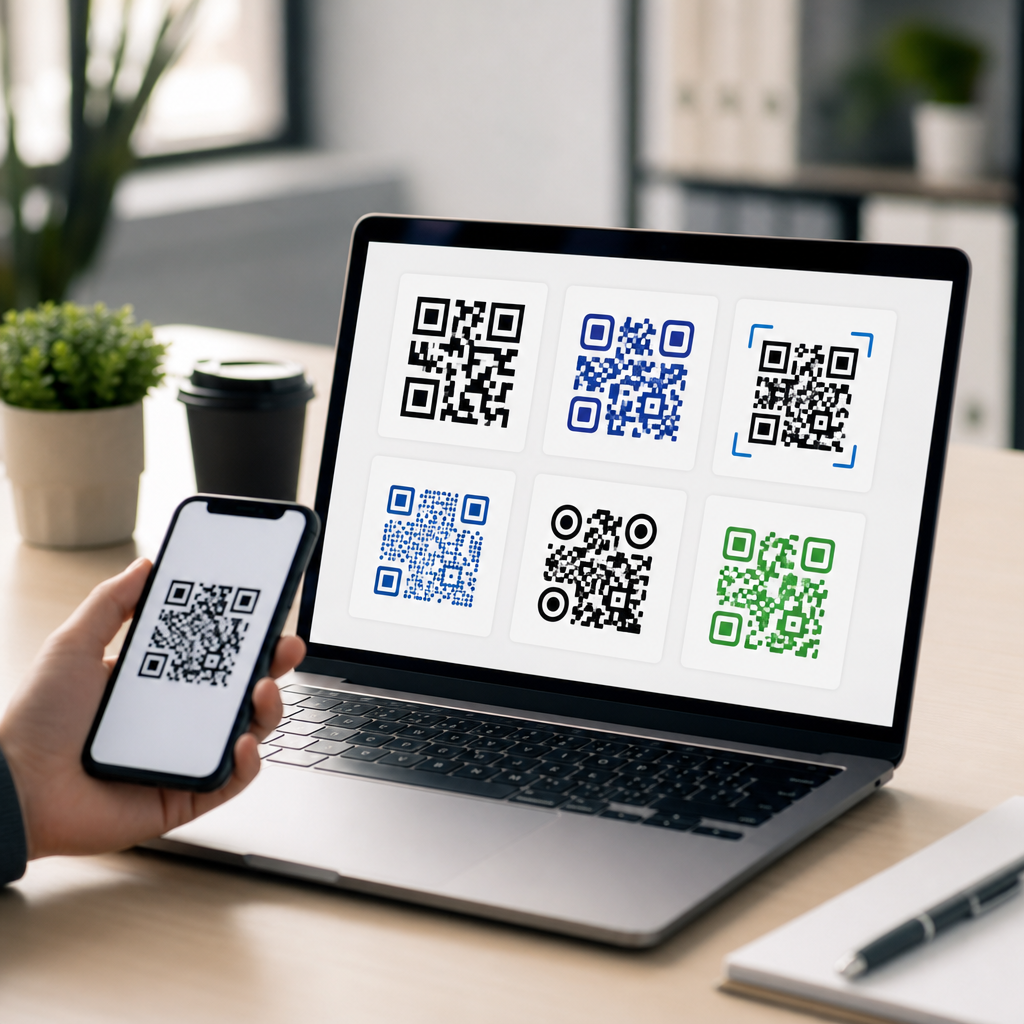
Dynamic QR codes are the right choice whenever the destination, content, tracking needs, or campaign context may change after printing, because they separate the visible code from the final URL or file behind it. In practical terms, a static QR code stores the end destination directly in the pattern, while a dynamic QR code stores a short redirect that can be edited later through a dashboard. That simple difference changes how you manage print runs, packaging, menus, events, support materials, and long-lived signage. As someone who has deployed QR programs for retail packaging, trade show booths, and local service businesses, I have seen static codes work well for fixed information, but I have also seen expensive reprints caused by using them where flexibility was essential.
This matters because QR codes now sit at the intersection of mobile behavior, physical media, analytics, and customer experience. A code on a brochure may be scanned months after distribution. A code on a product box may live in inventory for a year. A restaurant menu, real estate flyer, museum placard, or direct mail piece may need updated content without replacing the printed asset. Dynamic QR codes solve that operational problem and add measurement, including scan counts, device types, locations, and time-of-day patterns depending on the platform. They also support campaign control features such as pausing destinations, A/B testing landing pages, geolocation routing, and expiring links. For teams building creating mobile QR codes workflows, understanding static vs dynamic QR codes is foundational, because the decision affects cost, maintenance, privacy, design, and long-term performance.
At the same time, dynamic is not automatically better. It usually requires a paid platform, depends on the service staying active, and introduces redirect management that must be governed carefully. Static codes remain valuable when the content is permanent, the risk of future changes is low, and offline durability matters more than measurement. The smartest approach is to match the code type to the lifespan and stakes of the use case.
Static vs Dynamic QR Codes: What Changes Technically
Static vs dynamic QR codes can be explained in one sentence: static codes embed final data directly, while dynamic codes point to a short intermediary URL that forwards the user to the current destination. Because a static code contains the final content, changing that content means generating and distributing a completely new code. Because a dynamic code contains only the redirect address, you can log into the generator platform and change the final destination without changing the printed symbol.
That architecture creates several downstream differences. Static codes are simple, self-contained, and often free to generate. They work well for permanent data such as a Wi-Fi password, a vCard you do not expect to update, or a canonical website homepage. Dynamic codes are management tools. They are designed for evolving destinations such as campaign landing pages, PDF manuals, app download links, seasonal promotions, and lead capture forms. Many business-grade generators, including QR Code Generator Pro, Bitly, Beaconstac, and Flowcode, layer analytics and controls on top of that redirect.
There is also a data-density issue. Long URLs create denser static patterns, which can reduce scanning reliability at small print sizes or on curved packaging. Dynamic codes often encode a shorter redirect URL, producing cleaner modules and better scan performance. In packaging tests I have run, shortening the encoded string improved readability on small labels, especially when print contrast was less than ideal.
When Dynamic QR Codes Are the Better Choice
Use dynamic QR codes when the destination may change, when you need analytics, or when the printed item will remain in circulation longer than the current campaign. Product packaging is the clearest example. A box printed today may need to route customers to updated warranty terms, fresh installation videos, localized instructions, or revised compliance information later. With a static code, old inventory keeps sending customers to outdated content. With a dynamic code, the packaging stays usable while the experience behind it evolves.
Events are another strong fit. A conference badge QR code might first lead to registration details, then to the session agenda, and later to presentation downloads or a feedback form. Real estate signs benefit for similar reasons. An agent can redirect the code from an active listing to a backup property page, a neighborhood guide, or a lead form if the property status changes. Restaurants use dynamic menu codes to update specials, prices, availability, or holiday hours without reprinting every tabletop insert.
Dynamic codes are also worth using whenever campaign measurement matters. If you are placing codes on direct mail, out-of-home ads, retail displays, or brochures, scan analytics help answer basic business questions: which creative drove engagement, what time scans occurred, and whether users converted on mobile. This is especially useful when integrating with UTM parameters, Google Analytics 4, CRM forms, or paid media reporting.
| Use Case | Why Dynamic Works Better | Typical Benefit |
|---|---|---|
| Product packaging | Update manuals, support pages, or promotions after printing | Avoids reprints and outdated links |
| Restaurant menus | Change items, prices, or hours in real time | Faster operations and fewer print costs |
| Direct mail campaigns | Track scans and swap landing pages by audience | Better attribution and testing |
| Events and trade shows | Redirect from agenda to slides to follow-up forms | Longer usefulness from one code |
| Real estate signage | Change listing destinations as status changes | Consistent lead flow from fixed signage |
When Static QR Codes Still Make Sense
Static QR codes are the better option when the content is truly fixed and long-term independence matters more than editability. If you are linking to a homepage that is unlikely to change, publishing permanent public information, or encoding text that should not rely on a third-party service, static is often the cleaner choice. Museums sometimes use static codes for stable educational pages hosted under a permanent institutional URL. Small businesses may use static codes for a single contact page when budget is limited and campaign tracking is unnecessary.
Another reason to choose static is platform risk. Dynamic QR codes depend on the provider’s infrastructure and subscription status. If the service is paused, downgraded, or shut down, scans may fail. Reputable vendors reduce this risk, but it never disappears completely. For compliance-sensitive environments, some organizations prefer self-hosted short links or static codes to maintain tighter control.
Static can also support privacy goals. Because many dynamic platforms log scan metadata, teams must review consent requirements, privacy notices, retention periods, and regional obligations. If you do not need analytics, collecting that data may create unnecessary governance work. In short, static codes are not outdated; they are simply better suited to stable destinations and lower-management scenarios.
Key Decision Factors Before You Print
Before choosing between static and dynamic QR codes, evaluate five factors: content volatility, asset lifespan, need for analytics, operational ownership, and dependency tolerance. Content volatility asks whether the linked page, file, or offer might change. Asset lifespan asks how long the code will exist in the real world. A code on a shipping insert might be used for weeks, while a storefront window decal could remain for years. Analytics determines whether the business needs scan-level reporting. Operational ownership identifies who will maintain redirects, naming conventions, destination QA, and archive policies. Dependency tolerance measures how comfortable you are relying on a vendor platform.
I also recommend testing scan reliability in realistic conditions before finalizing production. Follow ISO/IEC 18004 specifications, maintain strong contrast, preserve the quiet zone, and validate across iPhone and Android camera apps. Dynamic codes often scan better at smaller sizes because of shorter encoded payloads, but poor printing, reflective surfaces, low light, or excessive logo customization can still cause failures. A beautiful code that does not scan quickly is a bad conversion path.
For internal planning, connect this decision to adjacent creating mobile QR codes topics: QR code size and placement, landing page speed, UTM strategy, accessibility, and branded code design. Those factors determine whether the scan turns into a successful mobile session.
Best Practices for Managing Dynamic QR Codes
If you decide to use dynamic QR codes, treat them like durable digital assets rather than one-off graphics. Use a consistent naming convention, document owners, and store the raw vector files alongside campaign records. Point the code to mobile-optimized pages, because most scans happen on phones. Keep redirects fast, avoid unnecessary redirect chains, and monitor broken destinations. If a platform supports password protection, expiration dates, geofencing, or device-based routing, use those features only when they improve the user journey; complexity without purpose increases failure risk.
Choose providers carefully. Look for export options, custom domains, uptime expectations, analytics transparency, GDPR support where relevant, and role-based access. A custom short domain can improve trust and brand recognition while reducing dependence on the vendor’s public domain. Finally, plan for continuity. If a campaign ends, redirect the code to a useful evergreen page instead of letting scans hit a dead end.
So, when should you use dynamic QR codes? Use them whenever the destination might change, the printed asset will outlive the current content, or measurement matters. Static QR codes are ideal for fixed, permanent information and minimal dependencies. Dynamic QR codes are ideal for flexible, trackable, real-world campaigns where the code must keep working as the business changes. The most effective QR strategy is not choosing one forever; it is choosing deliberately for each use case. Review your current printed materials, identify codes tied to changing content, and upgrade those first to dynamic management.
Frequently Asked Questions
When should you choose a dynamic QR code instead of a static QR code?
You should use a dynamic QR code whenever there is any chance the destination, file, landing page, or campaign details may need to change after the code has already been printed or published. A static QR code permanently stores the final destination inside the pattern itself, which means any update requires creating a brand-new code and replacing it everywhere it appears. A dynamic QR code works differently: the printed code points to a short redirect managed in a dashboard, and that redirect can be updated later without changing the visible code. That makes dynamic QR codes the smarter choice for packaging, flyers, menus, signage, event materials, product inserts, support documents, and any long-lived asset where reprinting would be expensive or inconvenient. They are also ideal when you want flexibility for seasonal campaigns, product updates, location changes, limited-time offers, or revised downloads. If the campaign has a future, a timeline, or any uncertainty, dynamic is usually the safer decision.
Why are dynamic QR codes better for printed materials and packaging?
Dynamic QR codes are especially valuable for anything that will stay in circulation for weeks, months, or even years. Printed materials often outlive the original campaign assumptions. A restaurant menu may change, a product page may move, a PDF may be replaced, a promotion may expire, or a support resource may need updating. With a static code, those changes can turn a useful print asset into a dead end. With a dynamic code, you can keep the printed piece in circulation while updating the destination behind the scenes. That can save significant money on reprints and reduce waste, especially for packaging, labels, brochures, shelf talkers, posters, trade show displays, manuals, and direct mail. Dynamic QR codes also make operations more resilient. If a URL breaks, a webpage is reorganized, or a campaign needs to be redirected quickly, you can make the change centrally through the management dashboard. In practical terms, they help protect your investment in print by separating the physical code from the destination users actually reach.
Do dynamic QR codes help with tracking and performance measurement?
Yes, and that is one of their biggest advantages. Dynamic QR codes are commonly used when you need visibility into how a campaign is performing, because they typically allow scan tracking through the platform managing the redirect. Depending on the provider, you may be able to monitor scan counts, timestamps, approximate locations, device types, and campaign-level performance trends. That data is extremely useful for marketers, event teams, retailers, and operations managers who want to understand engagement and improve results over time. For example, you can compare scans from different posters, packaging versions, store locations, or ad placements without changing the user-facing experience. You can also pair dynamic QR codes with analytics platforms and UTM parameters to get a clearer view of downstream behavior after the scan. While privacy practices and reporting features vary by platform, the core benefit remains the same: dynamic QR codes turn a simple scan into a measurable interaction. If tracking matters at all, dynamic usually makes more sense than static.
Are dynamic QR codes useful for campaigns that change over time?
Absolutely. Dynamic QR codes are built for campaigns that evolve. Many real-world campaigns are not fixed from day one. Event schedules change, registration pages close, promotional offers expire, product availability shifts, and new creative or messaging may need to be tested. A dynamic QR code lets you keep the same printed or posted code while updating where it leads throughout the life of the campaign. For instance, before an event, the code can direct users to a registration page; during the event, it can send them to the agenda or live updates; afterward, it can point to recordings, recap content, or a feedback form. The same flexibility applies to product packaging, customer onboarding, seasonal promotions, warranty materials, and support resources. This ability to adapt without replacing the code is what makes dynamic QR codes so practical. They support continuity for the audience while giving your team room to respond to real-world changes quickly and efficiently.
Is there any reason not to use a dynamic QR code?
Dynamic QR codes are usually the best choice when flexibility, analytics, and long-term manageability matter, but there are cases where a static QR code may still be appropriate. If the destination is truly permanent, there is no need for tracking, and the code is being used in a simple, short-term context, a static code can be sufficient. For example, a temporary internal handout pointing to a stable company page may not need the added management layer. Dynamic QR codes also depend on a QR platform or redirect service, so it is important to choose a reliable provider and maintain the account properly. In most business, marketing, product, and customer communication scenarios, however, those considerations are outweighed by the advantages. The cost of a dynamic solution is often minor compared with the cost of reprinting materials, losing scan traffic to outdated links, or missing valuable performance data. In short, if there is any meaningful chance that the destination could change or that you will want reporting later, using a dynamic QR code is the more strategic decision.