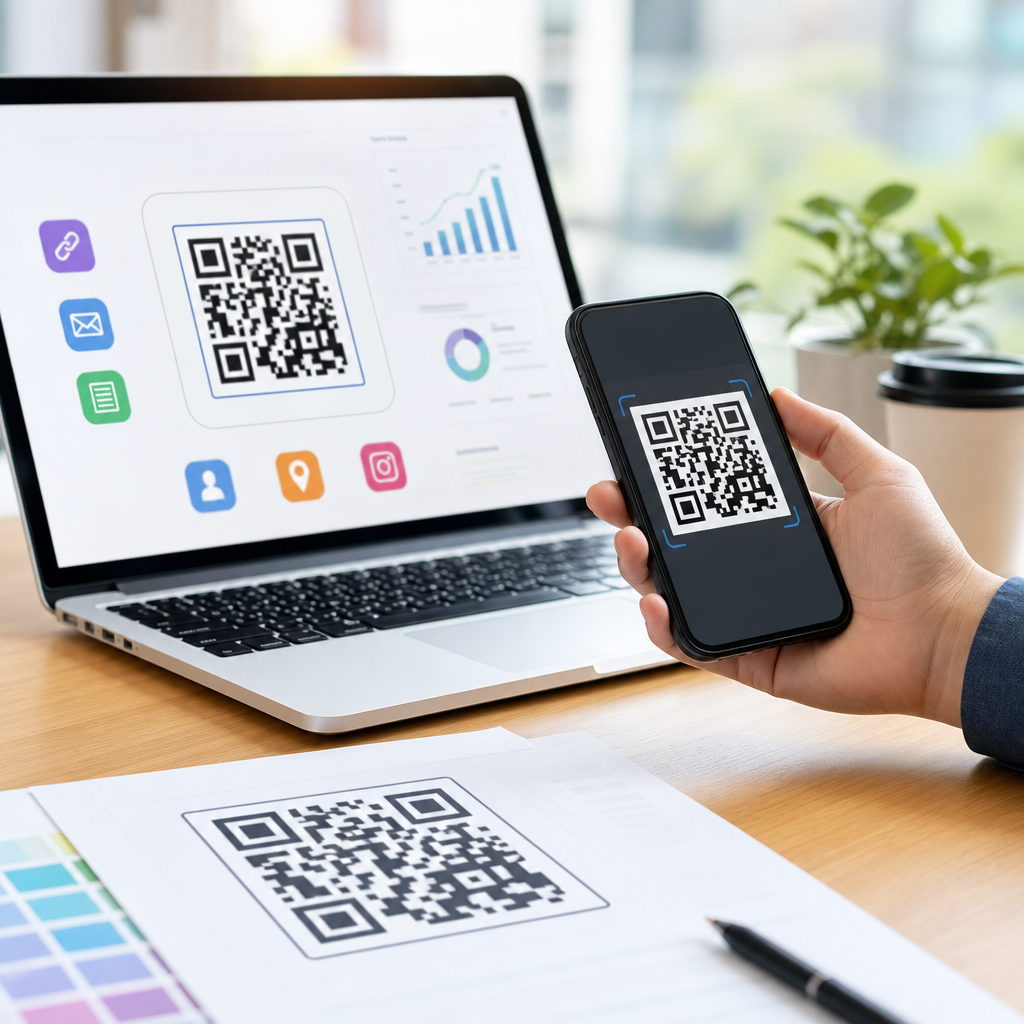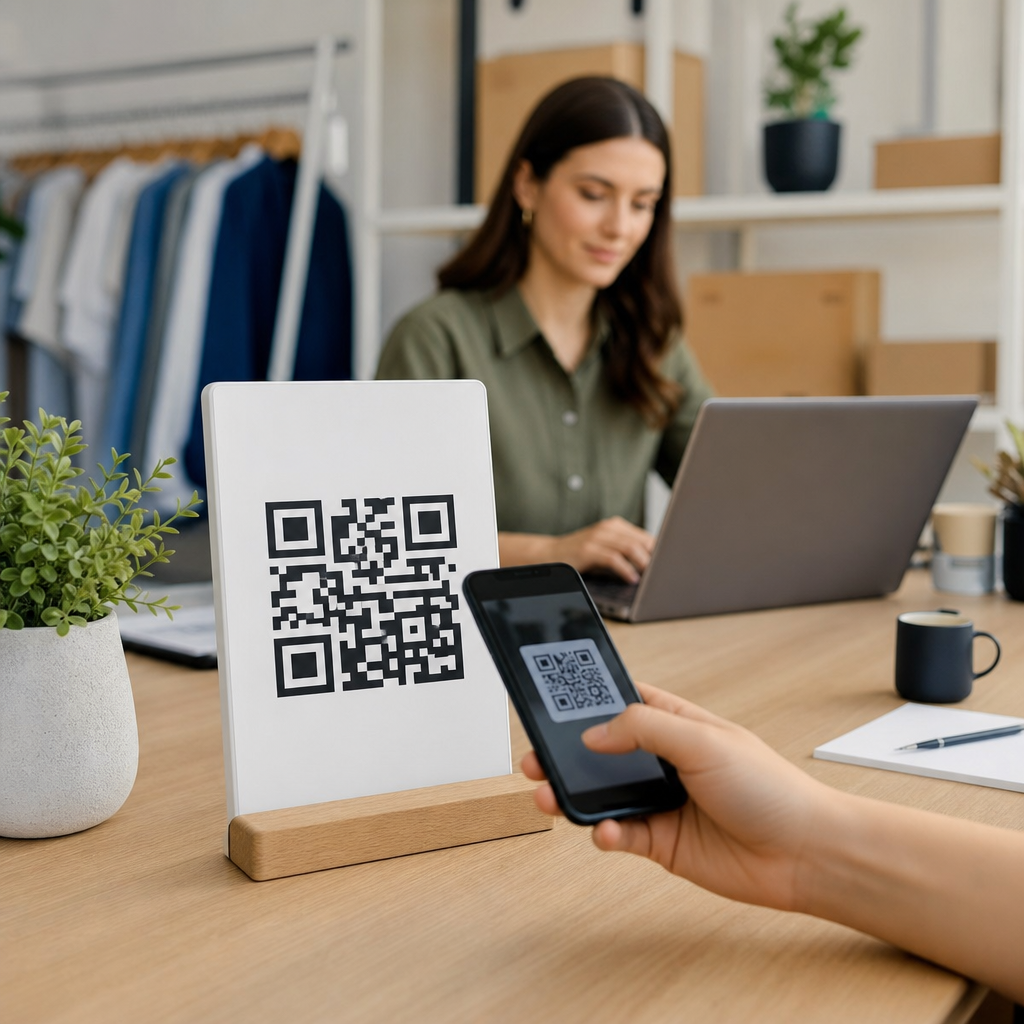
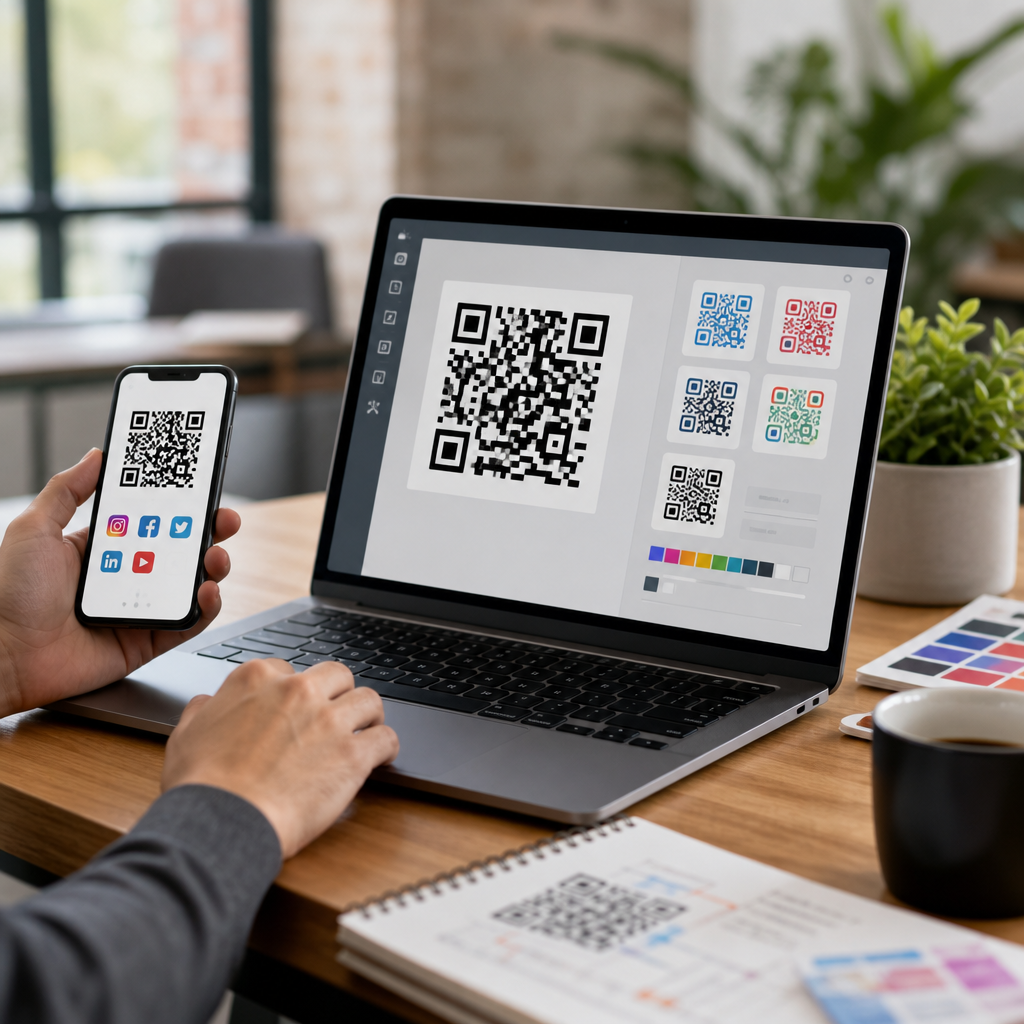
Choosing the best QR code generators for social media campaigns can determine whether a scan becomes a follower, a sale, or a missed opportunity. A QR code generator is a tool that creates scannable two-dimensional barcodes that send users to a landing page, profile, video, form, app store listing, or other digital destination. In social campaigns, these tools matter because they bridge offline attention and mobile action instantly. I have used QR platforms for product launches, in-store promos, event signage, influencer kits, and printed packaging, and the differences between tools are not cosmetic. The best platforms combine reliable code rendering, mobile-first destinations, dynamic editing, analytics, brand customization, and governance features that support teams at scale. This hub explains what separates strong generators from weak ones, which platforms fit different campaign types, what features actually improve outcomes, and how to choose a tool that supports measurable, repeatable growth across Instagram, TikTok, Facebook, YouTube, LinkedIn, and emerging channels.
What makes a QR code generator good for social media campaigns
The best QR code generators for social media campaigns do more than produce a square image. They create a controlled scanning experience. For social use, the first requirement is dynamic QR capability, which lets you change the destination URL after printing or publishing the code. That matters when a campaign landing page changes, a giveaway ends, or a profile link needs to point to a new platform. Static codes still have value for permanent destinations, but they are limiting in fast-moving campaigns.
The second requirement is analytics. At minimum, a useful platform reports total scans, unique scans, timestamps, device types, and geography. Better tools add UTM parameter support, Google Analytics integration, Meta Pixel compatibility through landing pages, and event tracking. When I audit campaign performance, scan volume alone is never enough. You need to know which placements drive action: a store display, a postcard insert, a booth banner, or a creator mailer.
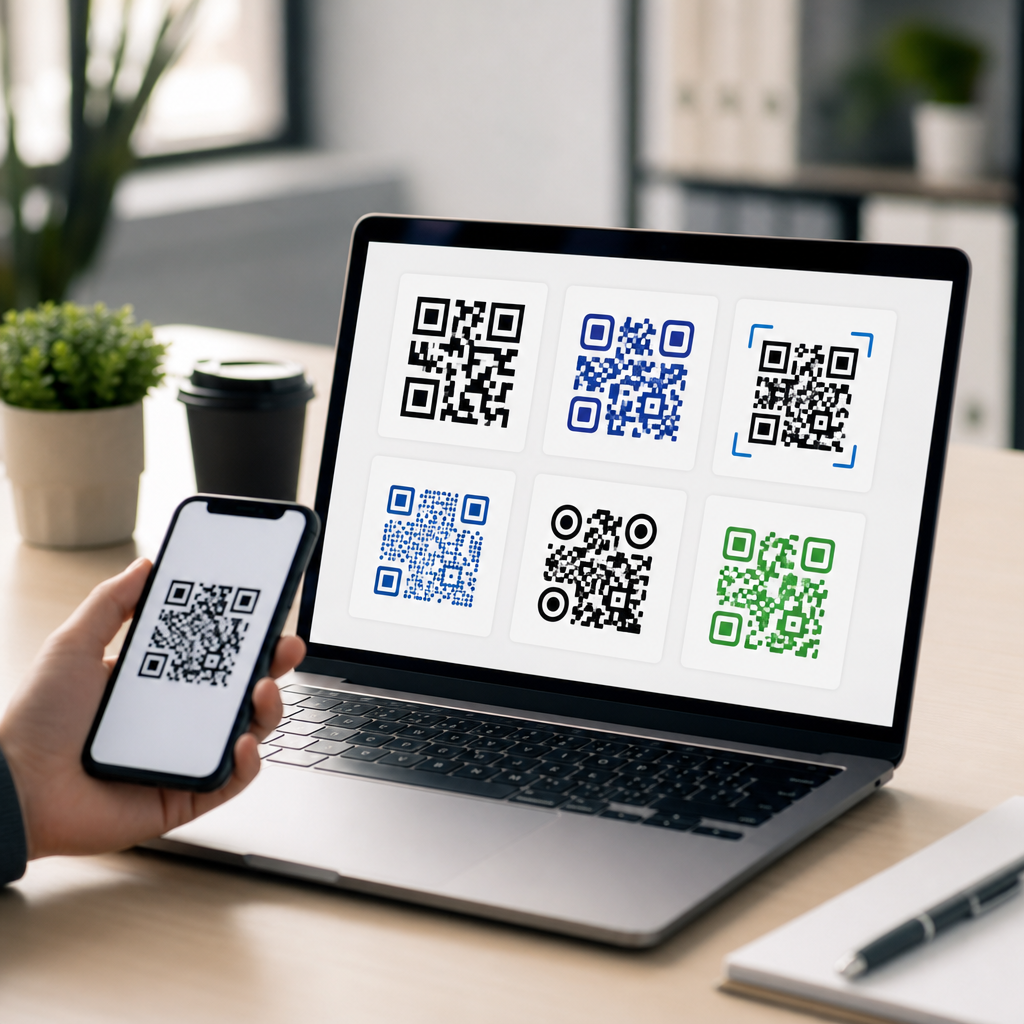
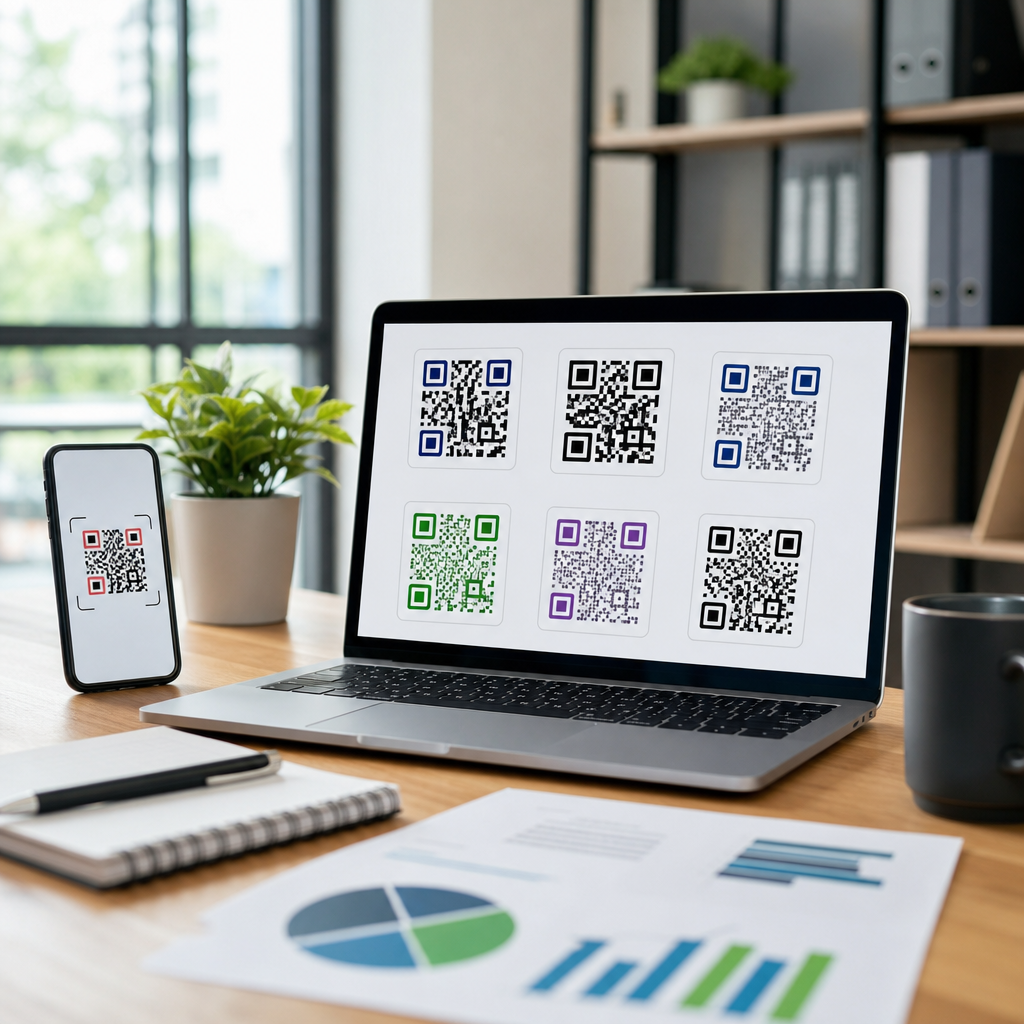
Design flexibility also matters, but only within scanning tolerance. Custom colors, logos, frames, and calls to action can improve scan rates when they preserve contrast and quiet zones. Error correction levels help maintain readability when adding a logo, but pushing design too far creates failure points on lower-quality phone cameras. Good platforms guard against this with previews, testing prompts, and export options like PNG, SVG, EPS, and PDF.
Finally, social campaigns need destination options. A generator that supports link pages, social profile bundles, vCards, coupons, app links, PDFs, and video pages offers more strategic freedom than a tool that only encodes raw URLs.
Top QR code generators worth considering
Several platforms consistently stand out. QR Code Generator Pro is widely used for dynamic codes, campaign management, and branded design controls. It suits marketing teams that want a polished interface and strong deployment options. Bitly is better known for link shortening, but its QR capability is useful for brands that already manage short links and campaign tracking in one environment. Beaconstac is strong for enterprise needs, especially when governance, security, and scale matter. Uniqode, previously Beaconstac’s competitor in many evaluations, is also a serious option with dynamic QR management, bulk creation, and detailed analytics designed for larger organizations.
Canva deserves mention because many social teams already build flyers, stories, posters, and event materials there. Its QR generation is easy inside creative workflows, though it is not as analytics-rich or administratively robust as specialized platforms. Flowcode is popular with creators and consumer-facing brands because it emphasizes design, simplicity, and mobile-friendly destinations. QR TIGER offers a broad feature set and flexible campaign types, including social media QR pages, file links, and editable destinations. Me-QR and Scanova are often attractive for small businesses that want a balance of affordability and dynamic controls.
| Tool | Best for | Key strength | Watch-out |
|---|---|---|---|
| QR Code Generator Pro | Marketing teams | Dynamic codes and branding | Higher-tier features cost more |
| Bitly | Link-centric campaigns | Short links plus QR in one stack | Less specialized destination variety |
| Beaconstac | Enterprise programs | Security and scale | May be more than small teams need |
| Uniqode | Multi-location brands | Bulk management and analytics | Learning curve for casual users |
| Canva | Design-first teams | Fast creation inside layouts | Limited advanced tracking |
| Flowcode | Creators and events | Clean mobile experiences | Fewer enterprise controls |
| QR TIGER | Flexible campaign types | Wide format support | Interface depth can feel busy |
Best options by campaign goal and team size
If your primary goal is follower growth, choose a generator that supports a social landing page rather than linking directly to one profile. Social behavior changes fast. A bundled landing page lets a user choose Instagram, TikTok, YouTube, or LinkedIn depending on preference. This is especially effective for creators, restaurants, speakers, and retail brands using packaging or tabletop displays. Flowcode, QR TIGER, and Uniqode all handle this scenario well.
If you run promotions across multiple stores or franchise locations, prioritize bulk generation, naming conventions, folders, and role-based permissions. I have seen multi-location campaigns fail because local teams reused the same static code everywhere, making attribution impossible. Beaconstac and Uniqode are better suited to this operational complexity because they support large inventories and structured management.
For small businesses, ease of use and affordable dynamic editing usually matter more than advanced governance. Scanova, Me-QR, and QR TIGER often fit this middle ground. For agencies managing multiple clients, white-label exports, organized dashboards, and editable destinations are critical. QR Code Generator Pro and Uniqode usually perform better in that environment because each client account can maintain cleaner asset control.
For event marketing, scan speed and mobile page load time matter most. A code on a badge, booth panel, or stage slide gets only a moment of attention. In those situations, I recommend short destination paths, compressed media, and a platform with fast redirection infrastructure. Flowcode and Bitly are often effective here, particularly when the campaign goal is simple: follow, sign up, or download.
Features that directly improve campaign performance
The most important performance feature is editable routing. Dynamic QR codes let you keep the printed asset while changing where it sends users. That saves reprint costs and reduces downtime when promotions shift. The second high-impact feature is scan analytics segmented by date and location. This helps marketers compare placements and adjust spend. If a window cling outperforms a mailer three to one, the next budget decision becomes obvious.
Built-in landing pages are also valuable because native social apps can handle redirects inconsistently. A simple mobile page with large buttons for Follow on Instagram, Watch on TikTok, Subscribe on YouTube, and Join our email list often outperforms sending users to a single network. It gives the visitor choice and creates a more resilient campaign if one platform underperforms.
Custom frames with action text such as “Scan to Follow” or “Scan for the Giveaway” reliably lift scan rates compared with unframed codes. The reason is behavioral, not technical: people need context. A QR code without an explicit value proposition is easy to ignore. Strong generators include templates that preserve spacing and contrast while allowing brand colors and logos.
Security features matter too. Password protection, expiration dates, domain verification, and team permissions are not just enterprise extras. They prevent outdated offers, unauthorized edits, and trust issues. In regulated sectors such as healthcare, education, and finance, these controls are often mandatory rather than optional.
Common mistakes when choosing and using QR tools
The most common mistake is choosing solely on price. Free generators can be fine for one-off static uses, but they often lack editability, analytics, and dependable support. That becomes expensive when you need to replace printed materials. Another mistake is overdesigning the code. Rounded modules, low-contrast color combinations, and oversized logos may look attractive in a mockup but fail under real scanning conditions, especially in low light or on older Android devices.
Poor destination planning is another frequent problem. Sending users to a desktop-style homepage from a poster is a conversion killer. Every social campaign QR code should lead to a mobile-optimized page with one clear next step. I also see teams skip testing across devices, camera apps, and network conditions. A code that works on the newest iPhone in the office may struggle on a mid-range phone in a crowded venue.
Measurement mistakes are just as damaging. Without campaign naming conventions, UTM tagging, and separate codes for distinct placements, analysis becomes guesswork. If one code appears on a receipt, a package insert, and a sidewalk sign, you cannot identify which channel generated the result. Better tools solve this only if the team sets them up properly.
How to choose the best QR code generator for your brand
Start with campaign volume and lifespan. If you will run ongoing social media campaigns across print, packaging, retail, and events, invest in a dynamic platform with analytics and team controls. If your needs are occasional and simple, a lighter tool may be enough. Next, define the destination strategy. Do you need direct profile links, a social landing page, app links, lead forms, or downloadable assets? The answer narrows the platform list quickly.
Then evaluate reporting depth. For serious marketing use, the minimum standard is scan tracking plus UTM support. After that, assess brand controls, file exports, API or bulk generation needs, and compliance requirements. I recommend testing three finalists with the same real campaign asset, not a sandbox mockup. Print them at actual size, place them in realistic lighting, and measure scan speed, readability, and dashboard clarity. That practical comparison usually reveals the winner faster than feature lists do.
The best QR code generators for social media campaigns are the ones that connect creative execution with measurable mobile action. Prioritize dynamic editing, reliable analytics, mobile-friendly destinations, and disciplined design over novelty features. For many teams, QR Code Generator Pro, Uniqode, Beaconstac, Flowcode, Bitly, Canva, and QR TIGER will cover most needs, but the right choice depends on campaign complexity, governance, and reporting expectations. Use this hub as your starting point, shortlist tools by use case, and test before rollout. A well-chosen platform turns a simple scan into a repeatable acquisition channel. Pick one that matches your workflow, launch a measured pilot, and refine from real scan data.
Frequently Asked Questions
What features should I look for in the best QR code generators for social media campaigns?
The best QR code generators for social media campaigns should do far more than simply create a scannable code. At a minimum, you want dynamic QR codes, which let you change the destination URL after the code has already been printed or published. That matters in social campaigns because offers, landing pages, and creative assets often change quickly. A dynamic code allows you to keep the same printed flyer, product insert, poster, or event sign while updating where the scan leads.
You should also look for built-in analytics. Strong platforms show total scans, unique scans, scan time, device type, operating system, and geographic location. These metrics help you understand which placements are working and which ones are wasting impressions. For example, if a QR code on packaging drives significantly more scans than one on a retail display, you can shift your campaign budget accordingly.
Customization is another major factor. The generator should let you change colors, add a logo, adjust the frame, and include a clear call to action without hurting readability. Social campaigns are brand-sensitive, so a plain black-and-white code is not always the best option. However, the platform should also provide scan testing and error correction guidance so your customized code still works reliably across devices.
It is also wise to choose a tool that supports multiple destination types, including Instagram, TikTok, Facebook, YouTube, app downloads, lead forms, coupon pages, and link-in-bio style landing pages. Some of the best generators also offer retargeting integrations, UTM tagging, team collaboration, bulk code creation, and download options in print-ready formats like SVG, PDF, and EPS. In practice, the right tool is one that combines flexibility, reliable scanning, strong data, and easy campaign management rather than just code creation alone.
Are dynamic QR codes better than static QR codes for social media marketing?
Yes, in most social media marketing scenarios, dynamic QR codes are the better choice. A static QR code points to a fixed destination that cannot be changed once the code is generated. That may be fine for a permanent URL, but social campaigns are rarely static. You may need to update a landing page, switch from one promotion to another, redirect traffic to a seasonal offer, or replace an expired link. With a static code, any of those changes could force you to reprint materials and republish assets.
Dynamic QR codes solve that problem by placing a manageable redirect between the code and the final destination. That means the same QR code can continue to work even if your campaign changes. This is especially useful for in-store promotions, event signage, packaging, product labels, influencer kits, and printed handouts tied to social channels. If you used one code for a product launch and later want it to point to user-generated content, a giveaway page, or a creator collaboration video, you can make that change without replacing the code.
Dynamic codes also give you better campaign intelligence. Most advanced QR platforms attach analytics to dynamic codes, allowing you to measure performance over time. You can compare scan volume by location, date, or campaign asset and use that information to optimize messaging and placement. In contrast, static QR codes usually offer little to no tracking unless you add external analytics parameters and rely on destination-page reporting alone.
The main reason to choose a static code is simplicity or cost. If the destination will never change and tracking is not important, a static code can be enough. But for serious social media marketing, where agility and measurement matter, dynamic QR codes are generally the smarter and more scalable option.
How can QR codes help convert offline attention into social media engagement or sales?
QR codes are effective because they remove friction between seeing a promotion and taking action. In a social media campaign, that friction reduction is everything. Someone may notice your product display, event booth, direct mail piece, café table sign, or packaging insert, but unless the next step is immediate and easy, many people will do nothing. A QR code lets them scan in seconds and land directly on a social profile, campaign page, special offer, contest entry form, or shoppable experience.
That instant connection is especially valuable when you are trying to turn real-world attention into mobile engagement. Instead of asking users to manually search for your brand on Instagram or type a long URL into a browser, you send them exactly where you want them to go. This can increase follower growth, video views, email signups, coupon redemptions, app installs, and direct purchases because the path is shorter and clearer.
QR codes also work well as campaign bridges. For example, a product package can link to a TikTok challenge, an in-store poster can lead to a limited-time offer promoted on Instagram, and an event handout can direct attendees to a YouTube demo or creator collaboration. In each case, the QR code connects a physical touchpoint with a measurable digital action. That gives marketers a practical way to extend the impact of offline media into channels where engagement and conversion are easier to track.
To get the best results, pair the QR code with a compelling call to action. Do not just display the code by itself. Tell people what they will get by scanning, such as “Scan to unlock 15% off,” “Scan to watch the tutorial,” or “Scan to follow for exclusive drops.” When the value is clear and immediate, QR codes can become a powerful tool for moving users from attention to action and from curiosity to conversion.
How do I track the performance of a QR code in a social media campaign?
Tracking QR code performance starts with using a generator that offers robust analytics, ideally through dynamic QR codes. At the most basic level, you should be able to see how many scans a code received, when those scans happened, where they came from, and what devices people used. These insights help you understand not just whether the code was scanned, but also whether your placement, timing, and audience targeting are working.
For more accurate campaign measurement, add UTM parameters to the destination URL. This allows tools like Google Analytics to identify traffic coming from a specific QR code placement. For example, you can create separate QR codes for product packaging, retail signage, event banners, and printed inserts, each with its own tagged URL. That way, you are not just seeing total scans; you are seeing which exact source drove visits, engagement, conversions, and sales.
It is also important to align QR metrics with business outcomes. Scan count alone is not enough. A QR code with fewer scans may outperform another if it generates more purchases, form submissions, or new followers. Look at downstream actions such as bounce rate, time on page, completed checkouts, account follows, coupon redemptions, or video completions. This is where a good landing page and clear call to action make a measurable difference.
If you are running tests, compare variables one at a time. You might test different calls to action, placements, creative treatments, or destination pages. For instance, one QR code might direct users to a product page while another sends them to a social giveaway landing page. Over time, this helps you identify what kind of offer and experience creates the best return from each scan. In practical terms, the most useful QR tracking setup combines generator analytics, tagged URLs, conversion reporting, and ongoing testing.
What are the most common mistakes brands make when using QR code generators for social campaigns?
One of the biggest mistakes is treating the QR code like a design element instead of a conversion tool. Brands sometimes shrink the code too much, place it on busy backgrounds, use low-contrast colors, or over-customize it until scanning becomes unreliable. A QR code still needs to function instantly under real conditions, including poor lighting, older phone cameras, and quick scanning angles. If it looks stylish but fails to scan, it is hurting the campaign instead of helping it.
Another common mistake is sending users to a weak destination. A QR code should lead to a mobile-friendly, fast-loading, and relevant page. If someone scans a code on a social campaign poster and lands on a generic homepage, they may leave immediately. The destination should match the promise of the call to action, whether that means a follow page, a limited-time discount, a short video, a lead capture form, or a product collection. Relevance and speed are critical because QR interactions happen in real time, often when attention is limited.
Brands also often fail to explain why someone should scan. A standalone QR code with no context rarely performs as well as one paired with clear copy. Users need a reason, such as exclusive content, instant access, a discount, contest entry, or product details. The best-performing social campaign QR codes usually answer the question “What do I get?” before the user even opens their camera.
Finally, many marketers neglect testing and measurement. They launch a code without checking it across multiple devices, multiple lighting conditions, and different printed or digital formats. Or they fail to use dynamic codes and analytics, making optimization difficult later. The most effective approach is simple: test the scan experience thoroughly, make the value proposition obvious, send traffic to a mobile-optimized destination, and use trackable, editable QR codes so the campaign can improve over time.