QR codes sit at the intersection of convenience, marketing, and compliance, which makes one question especially important: what data do QR codes collect? The short answer is that a standard static QR code does not collect anything by itself, because it is only a machine-readable pattern that stores information such as a URL, phone number, or text string. Data collection begins when someone scans the code with a device, opens the destination, accepts cookies, submits a form, or interacts with analytics tools attached to that destination. That distinction matters for privacy law, because organizations often assume the code itself is the tracking tool when the real compliance issues usually appear in the surrounding workflow.
In practice, I have seen QR campaigns fail privacy reviews not because the symbol was risky, but because teams forgot to map the downstream data flow. A restaurant menu code may reveal device type, approximate location, time of visit, IP address, and ordering behavior once the landing page loads. An event check-in code can link a scan to a named attendee, ticket ID, and attendance history. A product packaging code may trigger analytics, loyalty enrollment, or support requests, each with different lawful bases and retention rules. For any business operating in Europe or serving EU residents, this immediately raises GDPR questions about transparency, consent, minimization, security, and vendor management.
Understanding QR code privacy starts with precise definitions. Personal data under GDPR means any information relating to an identified or identifiable person. That includes obvious fields such as names and email addresses, but also online identifiers like IP addresses, cookie IDs, mobile advertising identifiers, and combinations of metadata that can single out a user. Processing means almost anything done with that data, including collection, storage, analysis, sharing, or deletion. A controller decides why and how data is processed. A processor handles data on the controller’s behalf, such as a QR platform, analytics provider, or CRM vendor. These roles shape contractual obligations, notices, and accountability.
This hub article explains what data QR codes can collect, when scanning becomes personal data processing, how GDPR applies, and what practical safeguards reduce risk. It also serves as a foundation for related pages on consent banners, dynamic QR code analytics, data retention, DPIAs, and vendor due diligence. If you manage marketing campaigns, packaging, hospitality, healthcare, education, or event operations, getting this right protects users and prevents avoidable compliance mistakes.
What data a QR code can collect directly and indirectly
A QR code can contain data, but that is different from collecting data. Static QR codes typically store a destination URL, plain text, Wi-Fi credentials, calendar data, contact details in vCard format, or a payment address. None of those formats automatically report back who scanned them. However, once a scan triggers a digital interaction, several categories of data may be collected indirectly. The first is technical metadata: IP address, browser type, operating system, screen size, language setting, referral source, and timestamp. The second is location-related information, often inferred from IP geolocation rather than precise GPS. The third is behavioral data, such as clicks, dwell time, bounce rate, items viewed, or forms started and abandoned.
If the destination asks the user to identify themselves, the data set expands. A QR code on a flyer that opens a newsletter signup form may collect name, email address, consent status, source campaign, and submission time. A patient intake code in a clinic may capture health-related information, which is special category data under GDPR and requires heightened protection. A workplace QR code used for attendance or access control may process employee identifiers and create monitoring concerns under labor law and privacy guidance. In each case, the QR code is only the entry point; the collection happens in the connected system.
Dynamic QR codes add another layer. Unlike static codes, they route scans through a management platform that can log events before redirecting the user. That often means scan count, time, approximate location, device category, and campaign-level performance metrics are stored by the QR service provider. Many platforms present this as harmless analytics, but if the metrics can be tied to an individual directly or indirectly, GDPR applies. Even where data is aggregated, businesses should verify whether raw event logs exist and how long they are retained.
When QR code scans become personal data processing under GDPR
A scan becomes GDPR-relevant when the organization can identify a person from the data collected, or when identifiers can reasonably be linked back to a person. An anonymous public poster linking to a basic webpage with no analytics and no cookies may involve minimal privacy risk. That is rare in commercial settings. Most landing pages load analytics scripts, content delivery logs, or embedded media that process online identifiers. Under guidance from European regulators, IP addresses and cookie identifiers can qualify as personal data when they relate to an identifiable user in context.
The legal basis depends on the purpose. If a QR code opens a digital menu, legitimate interests may support basic server logging needed for security and service delivery, provided a balancing test is documented. If the page sets non-essential analytics or advertising cookies, consent is generally required under ePrivacy rules, which work alongside GDPR. If the code initiates a contract, such as redeeming a ticket or completing payment, contract necessity may apply to the data strictly needed for that transaction. For optional profiling, retargeting, or enrichment, consent is usually the safer basis.
Purpose limitation is where many teams slip. They launch a QR campaign for event access, then later reuse scan data for audience segmentation, lookalike advertising, or employee performance monitoring. Those secondary uses must be assessed separately and disclosed clearly. Data minimization also matters: collecting precise location, date of birth, and marketing preferences on a simple support page is hard to justify if the user only wanted a PDF manual.
Common QR code use cases and the privacy risks they create
Different industries expose different risk patterns. Restaurants often use QR menu systems that seem low risk, yet they can still track repeat visits through cookies or loyalty integrations. Retailers place codes on packaging to measure campaign attribution, sometimes combining scan data with purchase history in a CRM. Event organizers use personalized QR codes for ticketing, where each scan can confirm attendance, entry time, gate location, and fraud checks. Healthcare providers may use QR codes for forms, prescription information, or patient portals, where confidentiality expectations are far higher.
I usually advise teams to map the use case before choosing the platform, because privacy impact is driven less by the black-and-white square and more by the business process around it. A static code printed on a museum wall is not the same as a unique code tied to a customer record in a loyalty program. The following table shows how collection changes by scenario.
| Use case | Typical data collected | Main privacy concern |
|---|---|---|
| Restaurant menu | IP address, device type, page views, cookie IDs | Tracking without clear consent |
| Event ticketing | Name, ticket ID, scan time, location, attendance status | Identifiable movement and profiling |
| Product packaging | Campaign source, region, click path, purchase linkage | Repurposing marketing data |
| Patient forms | Identity details, contact data, health information | Special category data security |
| Employee access | Staff ID, timestamps, site location, usage history | Workplace monitoring and proportionality |
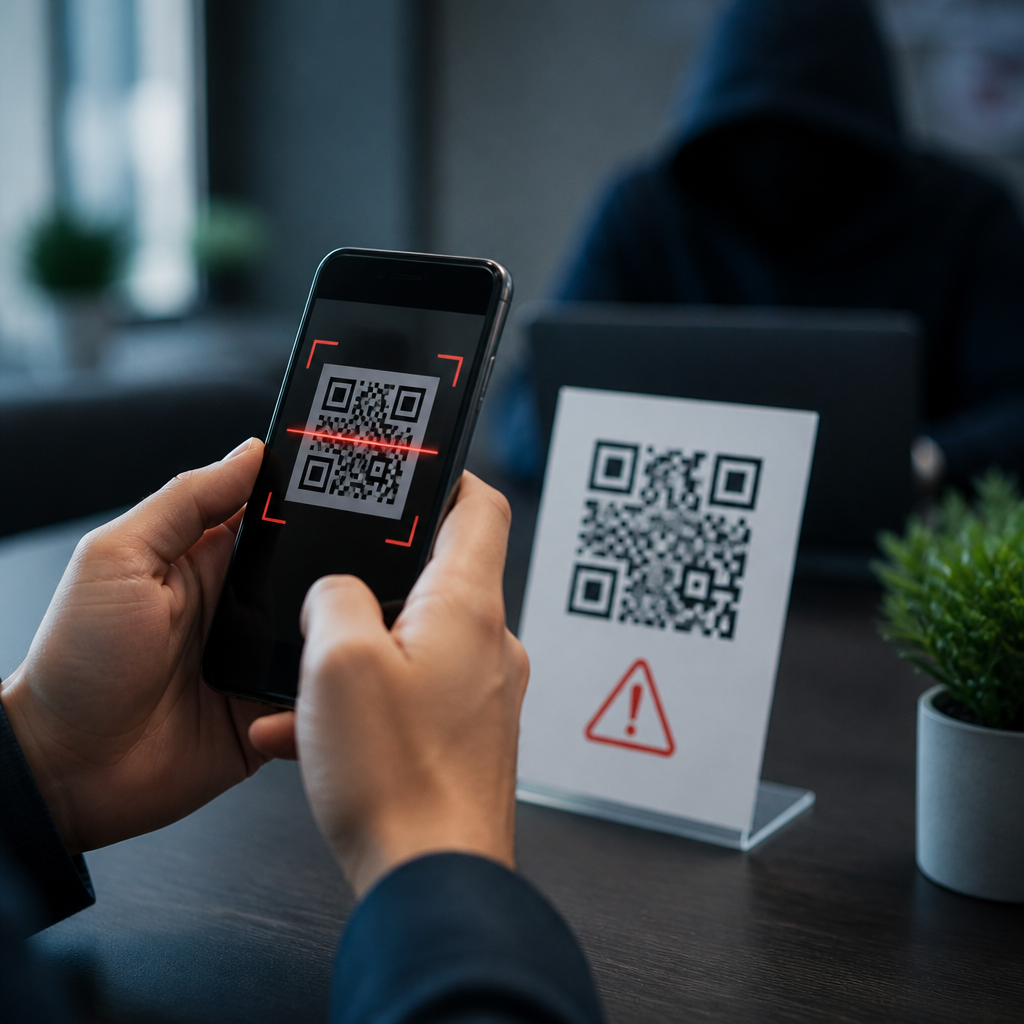
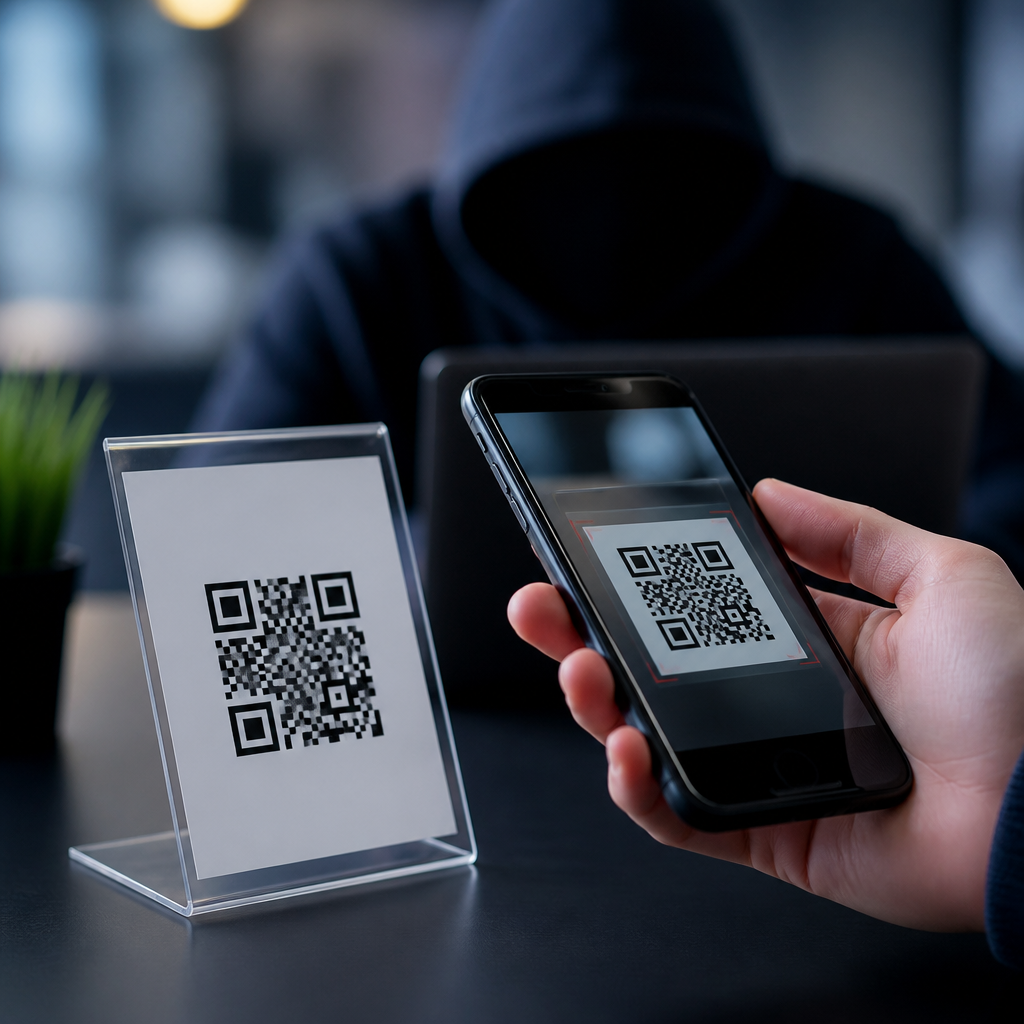
Another risk is QR phishing, often called quishing. Attackers replace legitimate codes with malicious ones that send users to fake login pages or malware downloads. While that is mainly a security issue, it becomes a privacy incident the moment credentials or personal data are exposed. Organizations should treat tamper checks, short domain clarity, and landing page authenticity as part of their privacy-by-design approach, not as separate concerns.
How to make QR codes compliant with privacy and data protection rules
Start with a data inventory. Identify what the code contains, what systems the scan touches, what vendors receive data, what cookies fire, and whether the flow involves international transfers. Then draft a layered privacy notice that users can access before or at the moment of collection. On a poster, that may mean a short line near the code explaining the purpose and linking to a full notice. On a form, it means just-in-time disclosures covering controller identity, purposes, lawful basis, retention, recipients, and user rights.
Consent mechanisms must be specific to the data use. If analytics or advertising trackers load on the landing page, use a compliant consent management platform such as OneTrust, Cookiebot, or Usercentrics configured to block non-essential tags before consent. If the QR flow captures health, biometric, or other sensitive data, conduct a data protection impact assessment when the processing is likely to pose high risk. Review security controls as well: HTTPS everywhere, access controls, encryption at rest where appropriate, audit logs, and vendor contracts with clear processing instructions. If providers transfer personal data outside the European Economic Area, assess transfer mechanisms and supplementary measures. Finally, set retention limits. Scan logs and campaign analytics do not need to live forever; most organizations can justify sharply shorter periods than their vendors’ defaults.
The practical rule is simple: treat every QR code as the front door to a data processing activity. If you would not launch the webpage, form, or app without a privacy review, do not launch the code that opens it. Audit your current QR journeys, document the data flow, and update notices, consent, vendor terms, and retention settings before the next campaign goes live.
Frequently Asked Questions
Do QR codes collect data on their own?
No. A standard QR code does not collect data by itself. It is simply a visual pattern that encodes information such as a URL, phone number, email address, plain text, Wi-Fi credentials, or another machine-readable instruction. On its own, the code is passive. It does not contain tracking software, cookies, GPS tools, or any built-in ability to monitor a person. The important distinction is between the QR code itself and what happens after someone scans it. Once a user scans the code with a smartphone or tablet, the device, browser, app, or destination website may begin collecting data depending on how that experience is configured.
In practice, this means the QR code is often the entry point into a broader digital interaction rather than the thing doing the collection. For example, if the code opens a landing page, that website may log information like IP address, device type, browser type, referral source, or approximate location. If the person then fills out a form, signs up for a promotion, makes a purchase, or accepts analytics cookies, additional personal or behavioral data may be collected. So the most accurate answer is that QR codes do not collect data independently, but they can lead to environments where data collection occurs.
What data can be collected after someone scans a QR code?
The answer depends on the technology behind the scan and the destination. At a basic level, a dynamic QR code platform may record scan-related metrics such as the number of scans, date and time of each scan, general location based on IP address, device operating system, and browser or scanner type. This information is typically used for campaign measurement, performance analysis, and troubleshooting. It helps businesses understand whether a code was scanned, when it was scanned, and what kind of device was used, but it does not automatically mean the scanner’s full identity is known.
More detailed data collection can happen on the landing page or in the app that opens after scanning. A website may use cookies, pixels, analytics tools, session recordings, or marketing tags to monitor page visits, clicks, dwell time, conversions, cart activity, and return visits. If the person submits a form, signs into an account, registers for an event, joins a loyalty program, or completes a payment, the business may also collect personal information such as name, email address, phone number, shipping details, and transaction history. In other words, scan data is usually one layer, while website, app, or form data can create a much richer user profile depending on what the organization asks for and what tracking technologies are in place.
What is the difference between static and dynamic QR codes when it comes to tracking?
Static and dynamic QR codes are very different from a measurement standpoint. A static QR code contains fixed information directly in the code itself, such as a destination URL or a block of text. Because the content is embedded and does not rely on a redirect service, there is usually no built-in scan tracking at the QR code level. If a static code points to a website, the website may still collect analytics once someone arrives there, but the code itself does not provide a flexible tracking layer and generally cannot be updated after printing.
Dynamic QR codes, by contrast, usually point to a short redirect URL managed by a QR code platform. That redirect allows the platform to log scan events before sending the user to the final destination. This is why dynamic codes are commonly used in marketing campaigns, product packaging, restaurant menus, event signage, and print advertising. They can often provide metrics such as total scans, unique scans, timestamps, approximate geolocation, and device breakdowns. They also make it possible to change the destination URL without changing the printed code. For organizations that want performance insights, dynamic QR codes are typically the trackable option, but they also raise more compliance and disclosure considerations because a third-party platform may be involved in processing scan-related data.
Can scanning a QR code reveal someone’s identity or exact location?
Not automatically. In most cases, scanning a QR code does not instantly reveal a person’s name, identity, or exact physical location to the business behind the code. What is more commonly available is indirect or approximate technical information. For example, a dynamic QR code system or destination website may see an IP address, which can often be used to infer a general geographic area such as city or region. It may also detect device type, operating system, browser, language settings, and the time of access. That can be useful for analytics, but it is not the same as guaranteed personal identification.
Identity becomes much more likely to be known when the user takes an additional step. If the person logs into an account, submits a contact form, enters a contest, uses a coupon tied to a customer profile, or makes a purchase, the scan can be linked to identifiable information. Exact location is also typically not available unless the user grants location permissions to an app or browser feature that requests it. This is why transparency matters. A scan alone often starts with limited technical data, but follow-up interactions can transform that into personal data under privacy laws if it can be tied to an individual directly or indirectly.
Are there privacy and compliance issues businesses should consider when using QR codes?
Yes, absolutely. While QR codes themselves are simple tools, the ecosystem around them can trigger important privacy, consent, and disclosure obligations. If a QR code leads to a page that uses cookies, analytics platforms, advertising pixels, lead forms, or retargeting tools, then the organization may need to comply with privacy laws and platform rules depending on where users are located. Regulations such as the GDPR, CCPA/CPRA, and other regional privacy frameworks may require notice, lawful basis for processing, consent for certain cookies or tracking technologies, data minimization, retention limits, and clear explanations of how data is used. If a third-party QR code provider or marketing platform is involved, businesses should also evaluate vendor contracts, data processing terms, and security practices.
From a best-practice perspective, businesses should treat QR code campaigns like any other digital data collection channel. That means using a clear privacy policy, presenting cookie notices where required, collecting only the information truly needed, and making sure landing pages are secure and mobile-friendly. It also helps to avoid surprising users. If a code is being used for analytics, lead generation, loyalty enrollment, payment processing, or personalized marketing, that should be communicated in a way that is understandable and honest. The safest approach is to assume that the real compliance questions begin after the scan, at the point where websites, apps, forms, and marketing systems start processing user data.