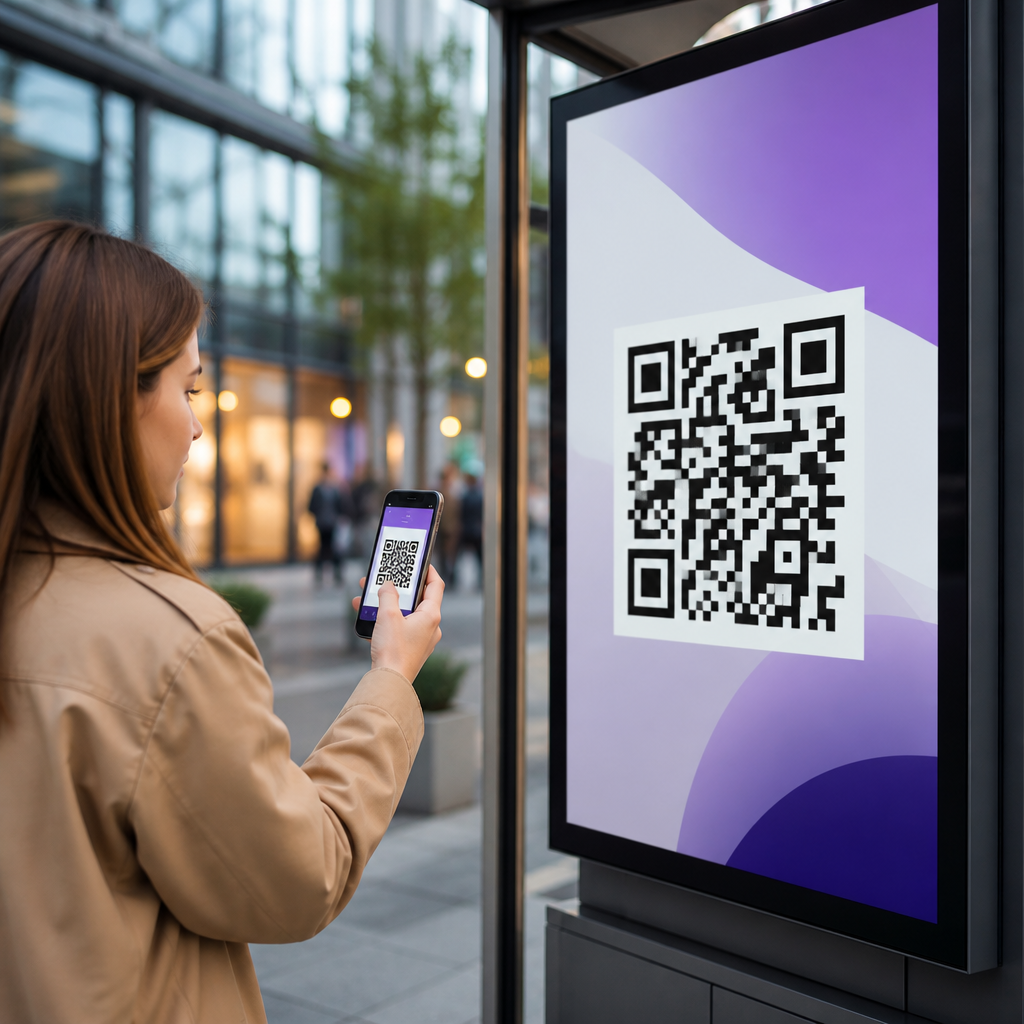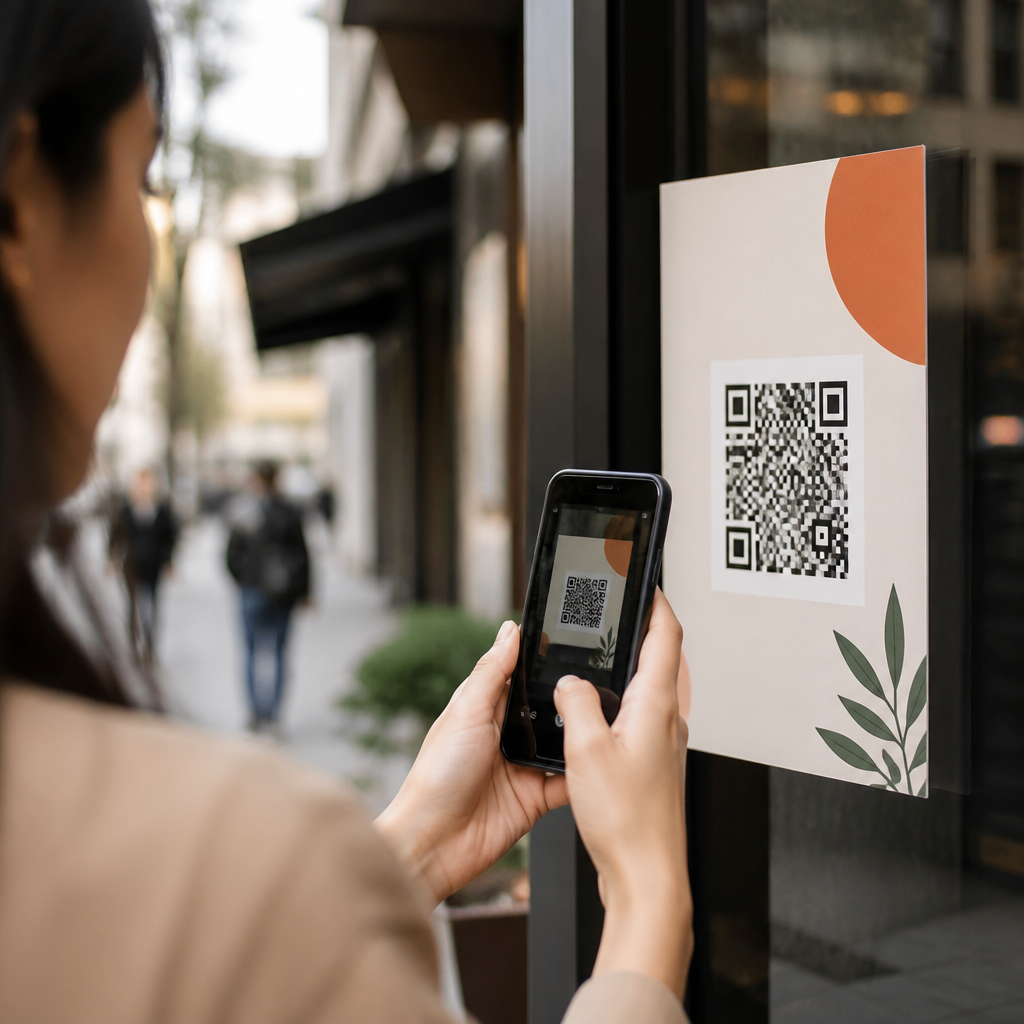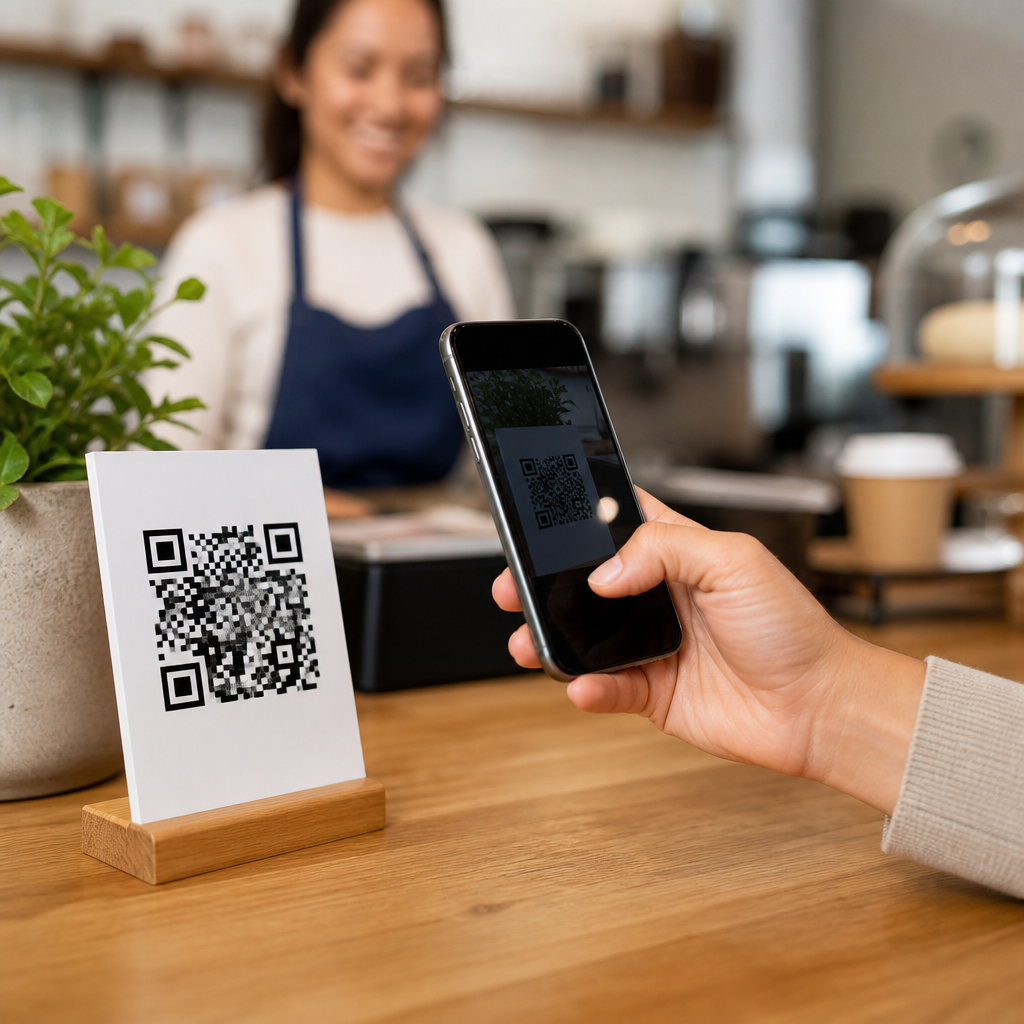

QR codes in marketing have moved from novelty to infrastructure because they connect offline attention to digital action in one scan. A QR code, short for Quick Response code, is a two-dimensional barcode that stores a URL, file, contact record, payment prompt, app link, or other machine-readable data. In digital marketing, QR codes act as friction reducers: they turn posters into landing pages, product packaging into video explainers, direct mail into attribution sources, and retail displays into checkout or loyalty flows. I have used them across email, retail, events, packaging, and paid media, and the core lesson is consistent: when the destination is relevant and the scan path is obvious, response rates improve because the user does not need to type, search, or remember anything.
That matters now because smartphone cameras read QR codes natively on iPhone and Android, removing the old dependency on separate scanner apps. Adoption accelerated during pandemic-era menus and check-ins, but the lasting value is broader. Marketers need measurable bridges between physical touchpoints and digital conversion paths. QR codes provide that bridge with campaign-level tracking, UTM parameters, dynamic redirects, and first-party data capture. They also support omnichannel strategy by linking print, out-of-home, in-store signage, connected packaging, business cards, social media, and live events to the same analytics framework. For a hub article on mobile QR codes for marketing, this guide covers what QR codes do, where they work best, how to design them, how to measure them, and where they fit in a modern demand generation stack.
Several terms are essential. A static QR code contains fixed data and cannot be edited after printing. A dynamic QR code points to a short redirect URL controlled by a platform, so the destination can be changed later without reprinting the code. Error correction refers to the code’s ability to remain scannable even if partially obscured or damaged; higher error correction supports branded customization but increases code density. A scan rate measures scans relative to impressions or distribution volume. Conversion rate measures the percentage of scanners who complete the desired action, such as a signup or purchase. These distinctions affect campaign flexibility, cost, and reporting quality, so they should be decided before creative production begins.
Why QR codes work in digital marketing
QR codes work because they remove steps between intent and action. Every extra step in a customer journey lowers completion rates. If someone sees a product demo invitation on packaging, a QR code lets that person open the video immediately instead of searching a brand site later. In performance terms, the code compresses the top of the funnel. It captures intent at the moment of attention. That is especially valuable in channels with weak direct response mechanics, including print ads, store windows, shelf talkers, vehicle wraps, conference booths, and presentation slides.
They also improve attribution. A retailer can place unique dynamic QR codes on endcaps, in circulars, and on direct mail, each sending traffic to the same offer page with different parameters. In analytics, those visits can be segmented by source, location, store, product line, or creative version. Tools such as Google Analytics 4, Adobe Analytics, Bitly, Beaconstac, QR Code Generator PRO, and Flowcode support redirect-based tracking or campaign tagging. When configured well, QR campaigns reveal not only scan volume but downstream metrics such as add-to-cart rate, coupon redemption, assisted conversion, and revenue per scan.
Another advantage is flexibility across devices and contexts. A code can send mobile users to an app deep link, desktop users to a responsive website, and existing customers to a logged-in portal. Dynamic routing can even account for language, geography, or operating system. I have seen this reduce friction dramatically in event marketing, where one code on signage can route attendees to agenda pages, lead capture forms, venue maps, or post-session surveys based on timing. The code itself stays fixed while the campaign experience evolves.
Common use cases across channels
In email marketing, QR codes are most useful when the conversion action happens better on a phone than in an inbox. Examples include adding a wallet pass, opening a map for store directions, starting an SMS conversation, or downloading an app. In social media and influencer campaigns, codes often appear in stories, livestream backdrops, creator packaging inserts, or in-store displays tied to creator-specific landing pages. In retail and consumer packaged goods, packaging QR codes can deliver recipes, setup guides, authenticity checks, warranty registration, replenishment subscriptions, and loyalty enrollment.
Events are one of the strongest fits. Booth graphics can link to product demos, meeting schedulers, gated white papers, or lead qualification forms. The practical benefit is speed: visitors scan on their own, so booth staff spend less time collecting basic details and more time having useful conversations. Restaurants, hospitality brands, and local businesses also use QR codes well for reviews, menus, reservations, and repeat-visit offers. A dentist can place a code at reception for appointment rebooking. A real estate agent can place one on a yard sign for virtual tours, mortgage calculators, and contact forms.
Direct mail remains effective because QR codes convert paper into measurable traffic. Catalogs can link each product spread to a mobile product detail page. B2B postcards can send recipients to a personalized landing page with account-based messaging. On out-of-home placements, concise value matters most: a transit ad should not send people to a generic homepage. It should send them to a mobile landing page with one clear next step, such as claim the offer, watch the trailer, or find the nearest location.
| Channel | Best QR destination | Primary KPI | Common mistake |
|---|---|---|---|
| Packaging | How-to video or loyalty signup | Registrations per 1,000 units | Sending users to the homepage |
| Direct mail | Personalized landing page | Scan-to-lead rate | No campaign tagging |
| Retail signage | Coupon, product page, or app deep link | Redemptions and revenue per scan | Code placed too high or too small |
| Events | Scheduler, brochure, or demo request form | Qualified leads | Form too long for mobile |
Design and implementation best practices
A QR code campaign succeeds or fails on usability before analytics ever matter. Size is critical. As a practical rule, the scanning distance should be about ten times the code’s width; a two-inch code is comfortable at roughly twenty inches, while large-format placements need much larger codes. Contrast should be high, usually dark foreground on a light background. Quiet zone matters too: the blank margin around the code should be preserved so cameras can isolate it. Overstyling causes failures. Brand colors and logos are fine if contrast stays strong and error correction is appropriate, usually level Q or H for customized designs.
The call to action must explain what happens after the scan. “Scan for 20% off,” “Scan to see the menu,” and “Scan to book a demo” outperform unlabeled codes because users know the reward. Destination pages must be fast, mobile responsive, and tightly matched to the promise. If the sign says “Scan for assembly video” but the code opens a general support center, the campaign leaks intent immediately. Use dynamic codes for any printed asset that will stay in market, and test on multiple devices, lighting conditions, camera apps, and network speeds before launch.
Security and trust should be addressed directly. Because malicious actors can place sticker overlays on public codes, brands should use recognizable branding, secure domains, and clear destination cues. For payments or account access, use HTTPS, short paths, and brand-owned redirect domains where possible. Accessibility matters as well. Include short fallback URLs near the code, especially in environments where scanning may be awkward. For compliance-heavy sectors such as healthcare and financial services, review destination content, consent flows, and data handling against internal legal standards before rollout.
Measurement, optimization, and strategic limits
The best way to measure QR codes in digital marketing is to separate scan metrics from business outcomes. Start with scans, unique scanners, scan rate, device mix, geography, time of day, and repeat scans. Then tie those to landing page engagement, form completion, purchases, coupon redemptions, store visits, or assisted conversions in your analytics platform. Use UTMs consistently, but do not rely on them alone; redirect platforms provide cleaner operational control for editing destinations and comparing versions. In GA4, configure events for scan sessions, conversion actions, and key funnels so campaign reports show real contribution rather than vanity traffic.
Optimization usually comes from creative and context, not from the code pattern itself. Test CTA phrasing, incentive strength, placement height, surrounding copy, and destination format. A retail display may generate more revenue by linking to a wallet coupon than to a product page. A trade show code may yield better leads when it opens a two-step scheduler instead of a generic form. I have repeatedly found that shorter mobile forms, stronger benefit language, and tighter message match create larger lifts than visual redesigns of the code. The code is the bridge; the landing experience determines value.
There are limits. QR codes are not ideal when network connectivity is poor, when the audience is driving, or when the context makes phone use inconvenient. They also do not fix weak offers or unclear messaging. Some audiences still hesitate to scan unfamiliar codes, especially in security-sensitive environments. That is why the surrounding creative, branded domain, and explicit value proposition matter. Used thoughtfully, QR codes make offline media measurable and mobile action immediate. To strengthen your mobile QR code strategy, audit every physical touchpoint, assign one clear user outcome to each, and build dynamic, trackable experiences that earn the scan and convert the visit.
Frequently Asked Questions
1. What are QR codes, and why are they so valuable in marketing?
QR codes, or Quick Response codes, are two-dimensional barcodes that can store a wide range of machine-readable information, including URLs, PDFs, contact details, payment prompts, app links, videos, and more. In marketing, their real value comes from how efficiently they connect offline attention to digital action. Instead of asking someone to type a long web address, search for a product, or download an app manually, a QR code compresses that entire journey into a single scan. That reduction in friction is what makes QR codes so effective across modern campaigns.
From a practical marketing standpoint, QR codes transform static media into interactive touchpoints. A poster can send users to a campaign landing page, product packaging can open setup instructions or tutorials, a restaurant table tent can launch a menu or loyalty program, and direct mail can drive recipients to a personalized offer. This ability to bridge physical and digital channels is especially important in omnichannel marketing, where brands want a consistent, measurable customer journey across in-store, print, events, packaging, and mobile experiences.
QR codes are also valuable because they support speed, convenience, and attribution. Consumers are already accustomed to scanning codes with their phone cameras, so the behavior feels natural. For marketers, each scan can become a measurable signal: where engagement happened, when it happened, and which asset drove it. That means QR codes are not just access tools; they are also performance tools. Used strategically, they can increase conversions, improve campaign tracking, and create seamless experiences that make it easier for people to move from awareness to action.
2. How can businesses use QR codes effectively across different marketing channels?
Businesses can use QR codes effectively by matching the destination and call to action to the context in which the code appears. In print advertising, a QR code might lead to a product page, booking form, or limited-time promotion. On packaging, it can open installation guides, ingredient details, warranty registration, or customer education content. In retail environments, QR codes can support in-aisle product comparisons, reviews, mobile checkout, loyalty signups, or exclusive discounts. At events and trade shows, they can streamline lead capture, brochure downloads, demo requests, and session registration.
The most successful use cases are built around relevance and immediacy. If someone scans a QR code on a store display, they should land on a mobile-optimized page that directly continues the experience they just saw in person. If the code appears in direct mail, the destination should reflect the offer, audience, or segment tied to that mailer. In other words, effective QR marketing is not about adding codes everywhere; it is about placing them where they remove a real step in the customer journey.
Another important factor is creative execution. A QR code should be easy to find, large enough to scan, and paired with a clear instruction such as “Scan to watch the demo,” “Scan for 15% off,” or “Scan to book now.” Without a compelling reason to scan, engagement drops. Marketers should also consider the post-scan experience just as carefully as the code placement itself. Fast loading times, mobile-friendly design, concise forms, and a clear next action all contribute to better results. The QR code opens the door, but the landing experience determines whether the campaign actually converts.
3. What makes a QR code campaign successful?
A successful QR code campaign usually comes down to three things: a strong value proposition, smart placement, and a frictionless destination. People scan when the payoff is immediate and obvious. That payoff might be a discount, exclusive content, a how-to video, faster checkout, event access, or a personalized experience. If the benefit is vague or weak, even a perfectly designed QR code may underperform. The code itself is only the trigger; the motivation to use it is what drives action.
Placement matters just as much. QR codes perform best when they appear at moments of high intent or curiosity. Someone holding a product, attending an event, reading a mail piece, or waiting in a physical location is often more willing to engage if the next step feels useful. Positioning the code where people can comfortably scan it, with enough lighting and enough time to react, has a major impact on usability. A code on moving signage, at an awkward angle, or in a visually cluttered layout creates unnecessary barriers.
The post-scan experience is where campaigns are won or lost. The landing page should load quickly, match the expectation created by the call to action, and make the next step easy. If the code promises a coupon, the user should see the coupon immediately. If it promises product information, the page should not bury that information under unrelated navigation. Brands should also measure results using trackable URLs, campaign-specific parameters, and analytics tied to scans, clicks, and conversions. A successful campaign is not simply one that gets scans; it is one that moves users toward a meaningful business outcome.
4. Are QR codes trackable, and what metrics should marketers pay attention to?
Yes, QR codes can be highly trackable, especially when they point to unique URLs or dynamic destinations. Marketers often use campaign-specific links, UTM parameters, shortened URLs, or dynamic QR platforms that record scan activity. This allows teams to connect physical placements to digital performance data, which is one of the biggest reasons QR codes have become so important in modern marketing. Instead of guessing whether a flyer, package insert, in-store sign, or event banner drove action, marketers can measure engagement much more directly.
The most useful metrics depend on the campaign goal, but common ones include total scans, unique scans, scan time, location, device type, click-through behavior, bounce rate, form completions, purchases, downloads, and revenue attributed to the campaign. For example, if a QR code is placed on retail packaging, the key metric might be product registration or repeat purchase. If it appears in direct mail, the focus may be landing page visits, coupon redemptions, or booked consultations. Looking only at scan count can be misleading if those scans do not lead to meaningful downstream actions.
Marketers should also compare performance across placements, creatives, and offers. A QR code on a window display may drive more scans than one on a receipt, but the receipt-based code might produce higher conversion intent. Segmenting results by channel, geography, time period, and audience helps marketers optimize campaigns over time. Dynamic QR codes are especially useful here because they allow brands to change the destination without reprinting the code, making it easier to test offers, update content, and extend campaign life while preserving the same scannable asset.
5. What are the most common QR code marketing mistakes to avoid?
One of the most common mistakes is using a QR code without a clear purpose. Adding a code simply because it seems modern or interactive rarely produces good results. Every QR code should answer a practical question: What action do we want the user to take, and why is scanning the fastest way to get there? If the destination is generic, the offer is weak, or the next step is unclear, people have little reason to engage. A strong call to action is essential because it tells users exactly what they will get from the scan.
Another frequent mistake is poor execution in design and placement. Codes that are too small, low contrast, distorted, crowded by other visual elements, or placed where mobile phones cannot easily capture them will underperform. Sending users to non-mobile-friendly pages is another major error, since most scans happen on smartphones. Slow load times, broken links, and long forms also introduce friction that defeats the core purpose of the QR code in the first place. Marketers should always test codes across multiple devices, lighting conditions, and use environments before launching a campaign.
Brands also make the mistake of overlooking trust and continuity. If users scan a code and land on a page that looks unrelated to the physical asset they came from, confidence drops quickly. The landing page should visually and verbally match the campaign so the user feels reassured they arrived in the right place. Finally, many marketers fail to measure performance properly. Without dedicated tracking, it becomes difficult to know which placements, offers, or audiences are actually working. The best QR code programs treat each code as both an experience tool and a data source, combining convenience for the customer with clear insight for the business.