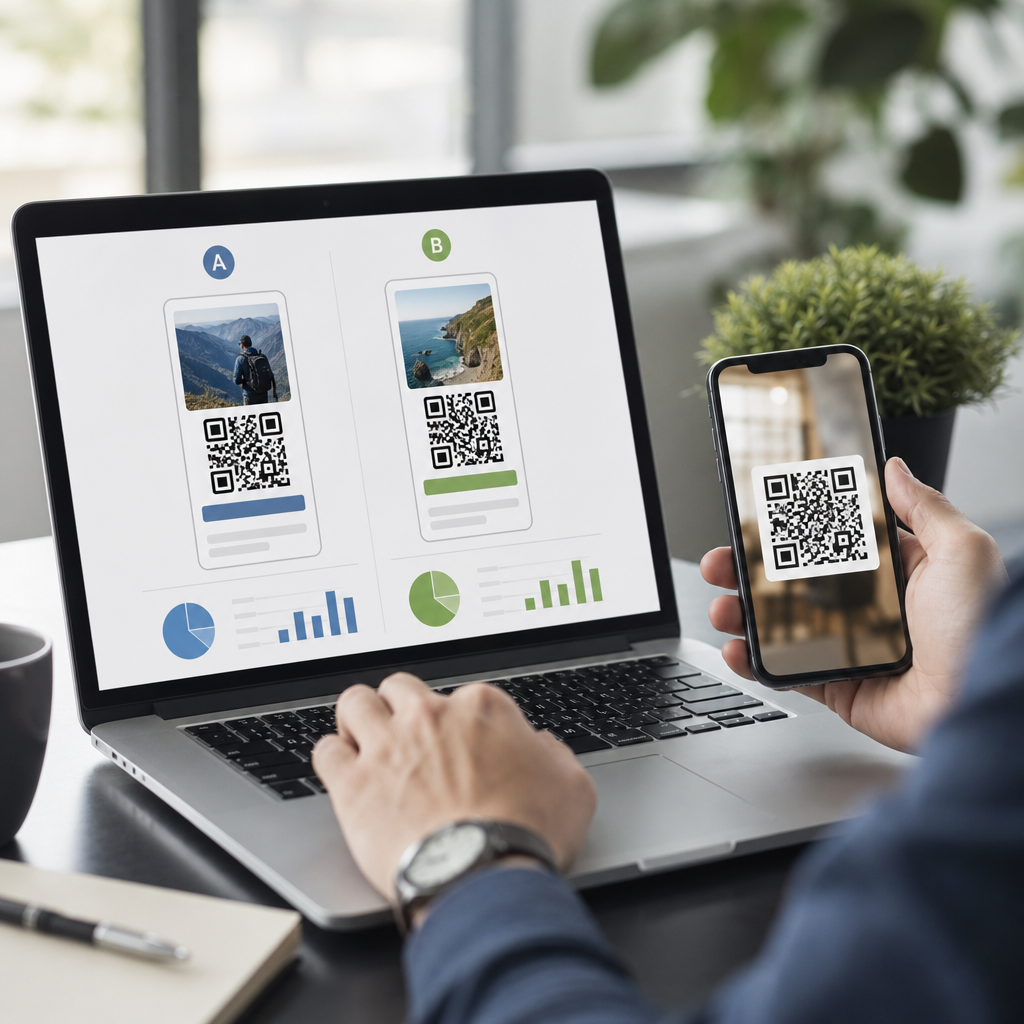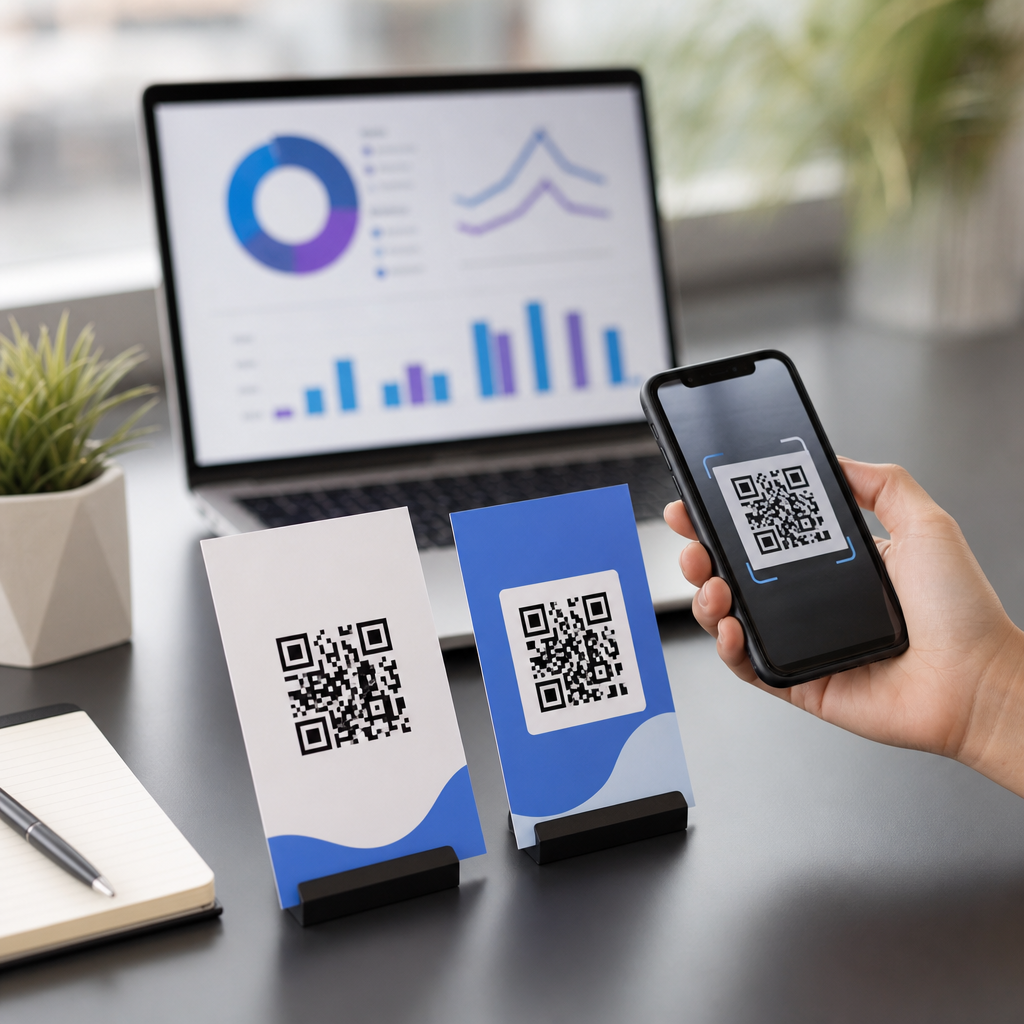

QR codes have moved far beyond simple website links, and when they connect to a customer data platform, they become a practical bridge between offline behavior and usable customer intelligence. A QR code is a scannable matrix barcode that triggers a digital action, while a customer data platform, or CDP, is software that collects, unifies, and activates customer data from multiple sources into persistent profiles. Used together, they let brands capture first-party engagement at the moment of interest, enrich existing records, and trigger personalized follow-up across channels.
This matters because many customer journeys still begin in physical spaces: packaging, direct mail, retail signage, events, receipts, product inserts, and out-of-home ads. In my work implementing QR programs for retailers and B2B event teams, the biggest gap was never scan volume alone; it was attribution. Teams could see scans in a QR generator dashboard, email clicks in an automation platform, and purchases in commerce analytics, yet they could not confidently connect those actions to one customer profile. A CDP closes that gap by resolving identity and organizing event data so scans become part of the broader journey.
For a sub-pillar focused on integrating QR codes with CRM and related tools, the core idea is simple: every scan should create context, not just traffic. Context includes campaign source, location, timestamp, device type, consent status, content viewed, form completion, and downstream conversion. When that context enters a CDP such as Segment, Tealium AudienceStream, Twilio Segment, ActionIQ, mParticle, Adobe Real-Time CDP, or Salesforce Data Cloud, marketers can build audiences, sales teams can prioritize outreach, and service teams can understand intent. The result is better personalization, cleaner reporting, and more reliable lifecycle marketing built on first-party data.
How QR codes and CDPs work together in practice
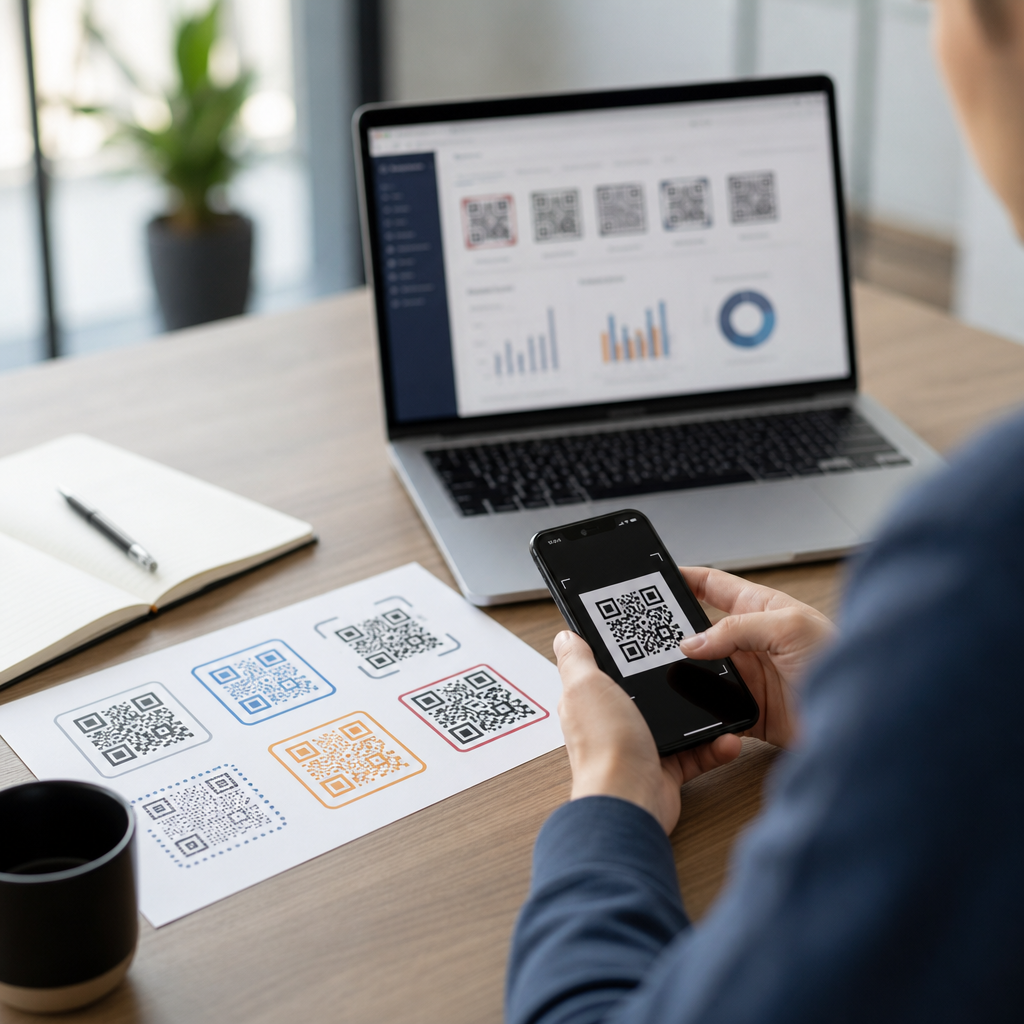
The integration starts with a dynamic QR code rather than a static one. Dynamic codes route scans through a redirect that appends campaign metadata before sending the user to a landing page, app deep link, form, coupon, or digital asset. That redirect is critical because it enables tracking changes without reprinting the code and supports UTM parameters, unique identifiers, and event logging. In a mature setup, the scan event is captured server-side or client-side and sent into the CDP as an event such as QR Code Scanned, including properties like code ID, campaign name, placement, creative version, geography, and destination URL.
From there, the CDP determines whether the scanner is a known or unknown user. If the person lands on a page and remains anonymous, the platform stores the event against an anonymous ID. If the same person later submits an email, logs in, redeems an offer, or purchases, identity resolution rules merge those events into a unified profile. This is where CDPs outperform disconnected analytics tools. They maintain event history across touchpoints and make the scan useful for segmentation, suppression, attribution, and orchestration. For example, a customer who scans a QR code on premium packaging and then browses accessories can automatically enter a high-intent audience for post-purchase cross-sell messaging.
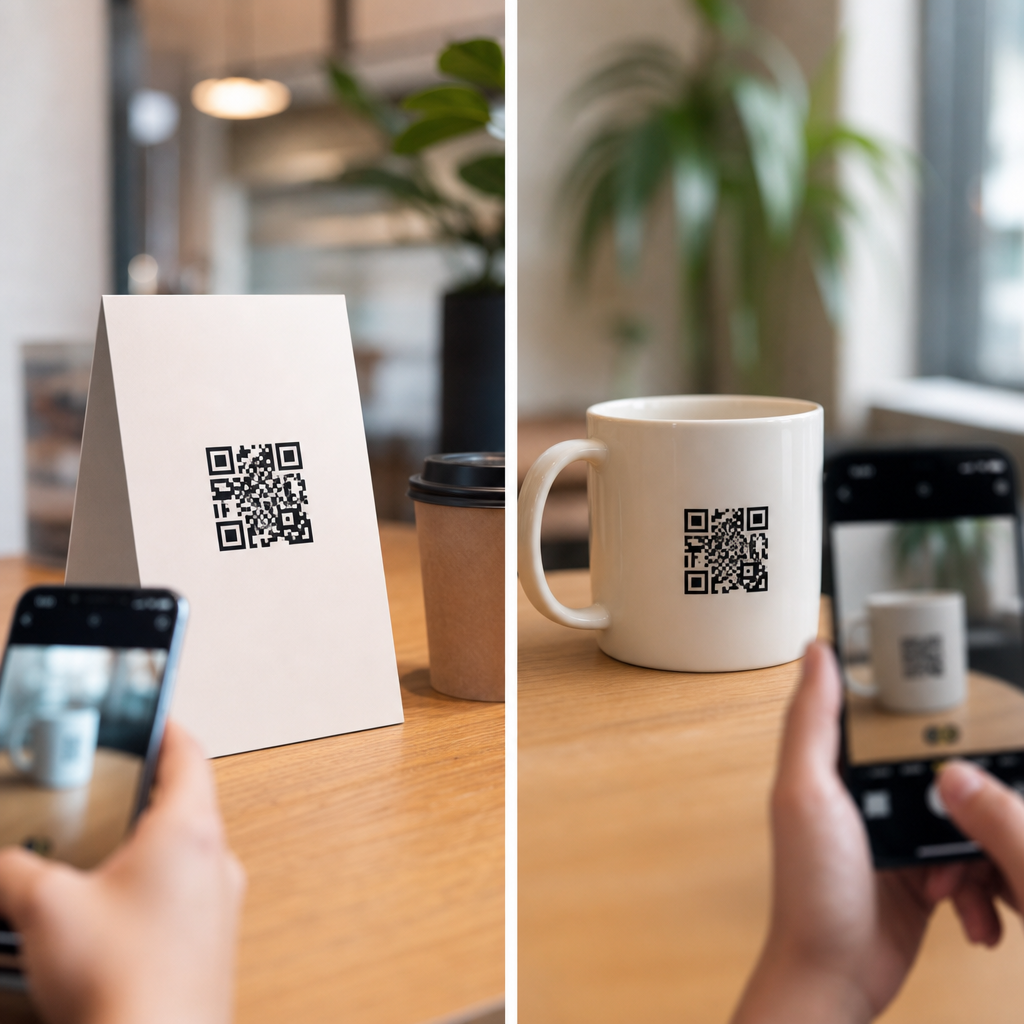
Real-world use cases vary by industry. A retailer can place QR codes on shelf talkers that send shoppers to product comparison pages, then use CDP events to identify which in-store categories drive online conversions. A SaaS company can add QR codes to conference booth signage, capture scans into a lead capture flow, and push enriched records to Salesforce with campaign membership attached. A restaurant chain can use receipt QR codes for loyalty enrollment and feed consented customer data into Braze or Iterable for retention messaging. In each case, the scan is not the end goal; it is the beginning of a measurable customer journey.
What data to collect and where it should flow
The most effective QR to CDP implementations define a clear event schema before launch. At minimum, collect the scan timestamp, QR code identifier, campaign, source medium, creative placement, device category, operating system, landing page, and referral context. If the scan leads to a form, collect explicit consent, email or phone, product interest, location, and any self-reported preferences that support future personalization. If the destination is an app, capture install or open events and map them back to the original QR campaign. Without a disciplined taxonomy, teams end up with inconsistent event names that break reporting and audience logic.
A practical data flow looks like this: QR management platform or redirect service captures the scan; website or app analytics records engagement; consent manager stores opt-in status; CDP ingests all events and reconciles identity; CRM receives qualified lead or account updates; marketing automation triggers nurture; business intelligence tools report performance. I recommend defining ownership at each stage. Marketing should own campaign naming conventions, analytics should own event validation, operations should own CRM field mapping, and legal should approve consent language and retention rules. This avoids the common problem of scans increasing while actionable records remain unusable.
| System | Primary role | Key data passed from QR interactions | Typical outcome |
|---|---|---|---|
| QR platform | Redirect and code management | Code ID, destination, scan time, location | Trackable dynamic campaigns |
| CDP | Identity resolution and audience building | Anonymous and known events, profile attributes | Unified customer profiles |
| CRM | Sales and account visibility | Lead source, campaign membership, intent signals | Better follow-up prioritization |
| Marketing automation | Cross-channel messaging | Consent, segment membership, engagement history | Triggered email, SMS, or push |
| BI or analytics | Measurement and attribution | Conversion paths, revenue, cohort behavior | Clearer ROI reporting |
Several integrations deserve special attention because they shape downstream value. CRM mapping must distinguish a raw scan from a marketing qualified lead; otherwise sales teams get flooded with low-intent records. Consent should travel with the profile, especially when using SMS or email, because channel eligibility depends on lawful opt-in. Product and content metadata also matter. If a code on a shoe box points to care instructions, size exchanges, and loyalty enrollment, that product category should be passed into the CDP so future recommendations reflect real interest rather than a generic campaign tag.
Best practices for implementation, measurement, and governance
Start with one or two high-intent journeys instead of placing QR codes everywhere. Good starting points include packaging for post-purchase onboarding, event signage for lead capture, and direct mail for offer redemption. Build dedicated landing pages that match the scan context and load quickly on mobile. Add server-side tracking where possible to reduce browser signal loss. Use short, human-readable campaign naming conventions, and keep a registry of every QR code, destination, owner, and objective. I have seen teams lose months of attribution accuracy simply because printed codes were reused across markets without version control.
Measurement should move beyond scan rate. Track scan-to-session rate, bounce rate, form completion, known-user match rate, audience entry, downstream conversion, revenue per scan, and assisted conversion value. Compare placements by intent, not just volume. A store window code may drive many casual scans, while a package insert may produce fewer scans but a much higher loyalty enrollment rate. Multi-touch attribution inside the CDP or connected analytics stack can reveal whether QR touches accelerate conversion even when they are not the final click. That is especially valuable for omnichannel retail and field marketing.
Governance is equally important. Respect privacy laws such as GDPR and CCPA, publish clear notices, and avoid collecting more personal data than the use case requires. If location is inferred from scan context or IP, document that practice and store only what is necessary. Set retention windows for anonymous scan events and rules for profile merging to prevent accidental duplication. Quality assurance should include test scans on iOS and Android, app-installed and app-not-installed states, different browsers, poor connectivity, and offline fallback pages. A QR program linked to a CDP is operational infrastructure, not a creative add-on.
Finally, treat this page as the hub for deeper integrations across the broader advanced QR code strategy. From here, organizations typically branch into dedicated guides on QR codes with CRM platforms like Salesforce and HubSpot, QR tracking with Google Analytics 4, app deep linking, loyalty enrollment, event attribution, and offline-to-online measurement. The main benefit of integrating QR codes with a CDP is durable customer understanding: every scan can inform identity, segmentation, and action instead of disappearing into an isolated report. If you are building this capability, audit one current QR journey, map the data flow end to end, and connect the first meaningful event into your CDP this quarter.
Frequently Asked Questions
1. How do QR codes work with a customer data platform (CDP)?
QR codes work with a customer data platform by acting as a trackable entry point into a digital experience, while the CDP captures and organizes the customer data created from that interaction. When someone scans a QR code on packaging, signage, direct mail, receipts, in-store displays, or event materials, the code usually opens a landing page, app experience, form, offer page, product guide, or other digital destination. That destination can be instrumented to send behavioral data into a CDP, such as the time of scan, device type, campaign source, location context, content viewed, form submissions, purchases, and other engagement signals.
The CDP then helps unify that scan activity with other known and anonymous customer data from websites, apps, CRM systems, email platforms, ecommerce tools, loyalty programs, and point-of-sale systems. This is what makes the combination so powerful. A QR code by itself can tell you that an interaction happened. A CDP helps explain who interacted, what else they have done across channels, and what action should happen next. For example, if a customer scans a QR code on product packaging and then signs in, the CDP can connect that moment with their purchase history, loyalty status, and previous browsing behavior to create a richer profile.
In practical terms, brands often create unique QR codes tied to campaigns, channels, locations, or products. Each code carries tracking parameters or links to a specific experience. Once scanned, the resulting activity flows into the CDP, where it can trigger segmentation, personalization, lead scoring, journey orchestration, or follow-up messaging. That means an offline interaction, like seeing a QR code on a shelf talker in a store, can become a measurable first-party signal that supports more relevant marketing and better customer understanding.
2. What are the main benefits of using QR codes with customer data platforms?
The biggest benefit is that QR codes help brands connect offline engagement to unified customer profiles inside the CDP. Many businesses still struggle to measure what happens outside the website or app. QR codes create a simple bridge between physical environments and digital data collection. If someone scans a code in a store, at a trade show, on printed packaging, or from a catalog, that interaction can be tied to campaign performance and customer behavior in a way that is far more actionable than traditional offline marketing alone.
Another major advantage is stronger first-party data collection. As privacy rules evolve and third-party tracking becomes less dependable, brands need direct, consent-based ways to gather meaningful customer insights. QR codes can guide customers to opt-in forms, account creation flows, product registration pages, quizzes, loyalty enrollment, or personalized offers. When those interactions are connected to a CDP, the organization can build durable, consent-aware customer profiles based on real engagement rather than inferred behavior.
QR codes paired with a CDP also improve personalization and activation. Once the CDP recognizes patterns from scans and subsequent actions, brands can create audience segments based on product interest, physical location, campaign source, frequency of engagement, or stage in the customer journey. A person who scans a code on premium product packaging may receive a different follow-up experience than someone who scans a code from an event booth. The CDP makes it possible to turn scan behavior into messaging, recommendations, retargeting suppression, loyalty outreach, or customer service workflows.
There is also a measurement benefit. Instead of treating QR scans as isolated clicks, the CDP helps marketers analyze downstream outcomes such as purchases, repeat visits, email signups, app downloads, and lifetime value. This makes QR campaigns easier to optimize because teams can compare not just scan volume, but scan quality and long-term impact. In short, the combination of QR codes and a CDP turns a simple scan into a source of customer intelligence, attribution insight, and more relevant cross-channel engagement.
3. What customer data can be collected from QR code interactions and sent to a CDP?
A QR code interaction can generate several categories of useful data, especially when the destination experience is properly configured. At the most basic level, brands can capture campaign and technical metadata such as the specific QR code scanned, date and time of interaction, referral source, product or asset associated with the code, device type, browser, operating system, and in some cases rough geographic context based on IP or campaign placement. These signals are helpful for understanding where and when engagement occurs.
Beyond that, the real value usually comes from behavioral data collected after the scan. Once the person lands on the linked experience, the brand can track page views, dwell time, clicks, video plays, downloads, product views, cart additions, coupon activations, store locator usage, form starts, form completions, and purchases. If the QR code leads to a guided experience such as a product tutorial, menu, registration flow, survey, or loyalty page, each of those actions can be captured as events and pushed into the CDP for profile enrichment and segmentation.
If the customer identifies themselves by logging in, submitting an email address, joining a loyalty program, registering a product, or completing a purchase, the brand can associate the scan with a known customer profile. At that point, the CDP can connect the QR interaction with existing customer records such as purchase history, subscription status, support interactions, and previous digital activity. This creates a more complete view of the customer journey, especially when the scan originated in a physical channel that would otherwise be difficult to measure.
That said, the exact data collected should always align with consent, privacy regulations, and the brand’s governance policies. A best practice is to capture only what is necessary, clearly explain how information will be used, and ensure that identity resolution inside the CDP follows compliant and transparent rules. Done correctly, QR code interactions can provide a rich stream of first-party behavioral and declared data without becoming intrusive.
4. What is the best way to set up QR code campaigns so the data is useful inside a CDP?
The most effective setup starts with a clear data strategy before any QR code is generated. Brands should decide what they want to learn, what action they want the customer to take, and how that interaction should be represented inside the CDP. For example, is the QR code meant to drive product education, collect leads, activate loyalty signups, support post-purchase onboarding, or connect in-store engagement to online conversion? Defining the goal upfront helps determine the landing experience, event tracking plan, identity capture method, and segmentation logic needed downstream.
From there, it is important to use unique QR codes for distinct campaigns, placements, products, stores, or audience contexts. A single generic QR code limits reporting. Unique codes make it possible to distinguish whether engagement came from shelf signage, packaging, direct mail, event collateral, or another source. These codes should point to URLs with structured tracking parameters so the CDP and related analytics systems can consistently recognize campaign source, medium, creative, offer, or location. Naming conventions matter here, because messy campaign labels lead to fragmented reporting and weaker audience creation later.
The linked digital experience should also be optimized for mobile and designed to capture meaningful next-step behavior. Since most QR scans happen on smartphones, slow pages, confusing forms, or poor mobile UX can dramatically reduce data quality and conversion rates. It is smart to create destination pages that load quickly, clearly match the promise of the QR code, and include trackable actions such as signups, product selections, coupon saves, account creation, or purchase paths. If identity capture is part of the strategy, the ask should feel valuable and relevant, not forced.
On the technical side, event collection should be standardized so the CDP receives clean, usable signals. This means defining events such as qr_scan_landing, product_view, form_submit, offer_redeem, app_install, or purchase_complete with consistent properties attached. Teams should also think about identity resolution, consent collection, and activation rules before launch. The best QR-to-CDP setups are not just trackable; they are structured so scan behavior can immediately support customer profiles, audience building, journey orchestration, and campaign measurement.
5. What challenges should brands watch for when using QR codes with a CDP?
One common challenge is assuming that a scan alone equals meaningful customer insight. In reality, a QR code only creates value when the post-scan experience is connected to intentional data capture and follow-up workflows. If the landing page is generic, untracked, or disconnected from the CDP, the brand may record scan volume but still miss the opportunity to understand intent, identify the customer, or activate the data. That is why campaign design, event instrumentation, and identity strategy matter just as much as the QR code itself.
Another issue is fragmented data. If marketing teams generate QR codes across departments without a shared taxonomy, campaigns can become hard to analyze. Different naming conventions, inconsistent URL parameters, duplicate landing pages, and disconnected measurement systems can all reduce the usefulness of the data once it enters the CDP. Strong governance helps prevent this. Brands should create standards for QR code generation, campaign tagging, event names, metadata fields, and profile stitching rules so that all scan data can be interpreted consistently across teams.
Privacy and consent are also critical. When QR codes are used to collect first-party data, brands need to be transparent about what is being collected and how