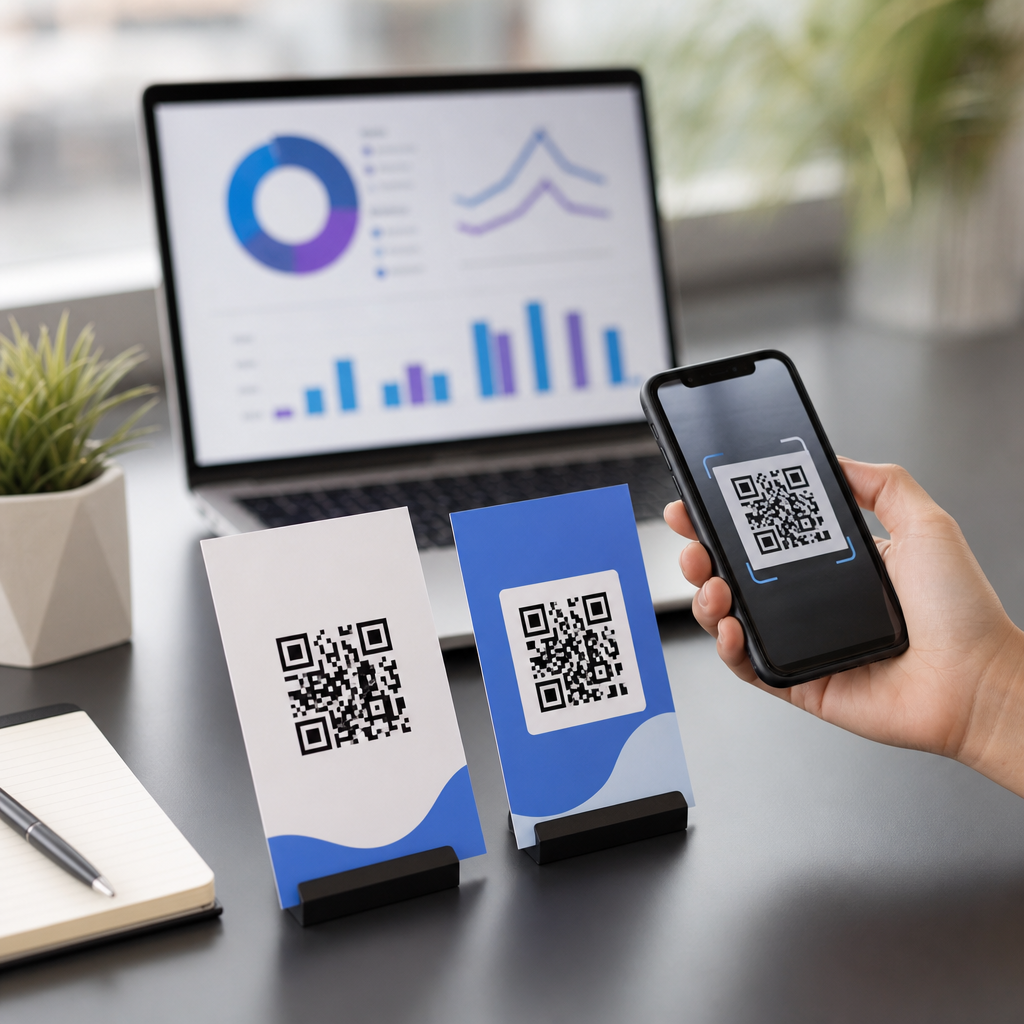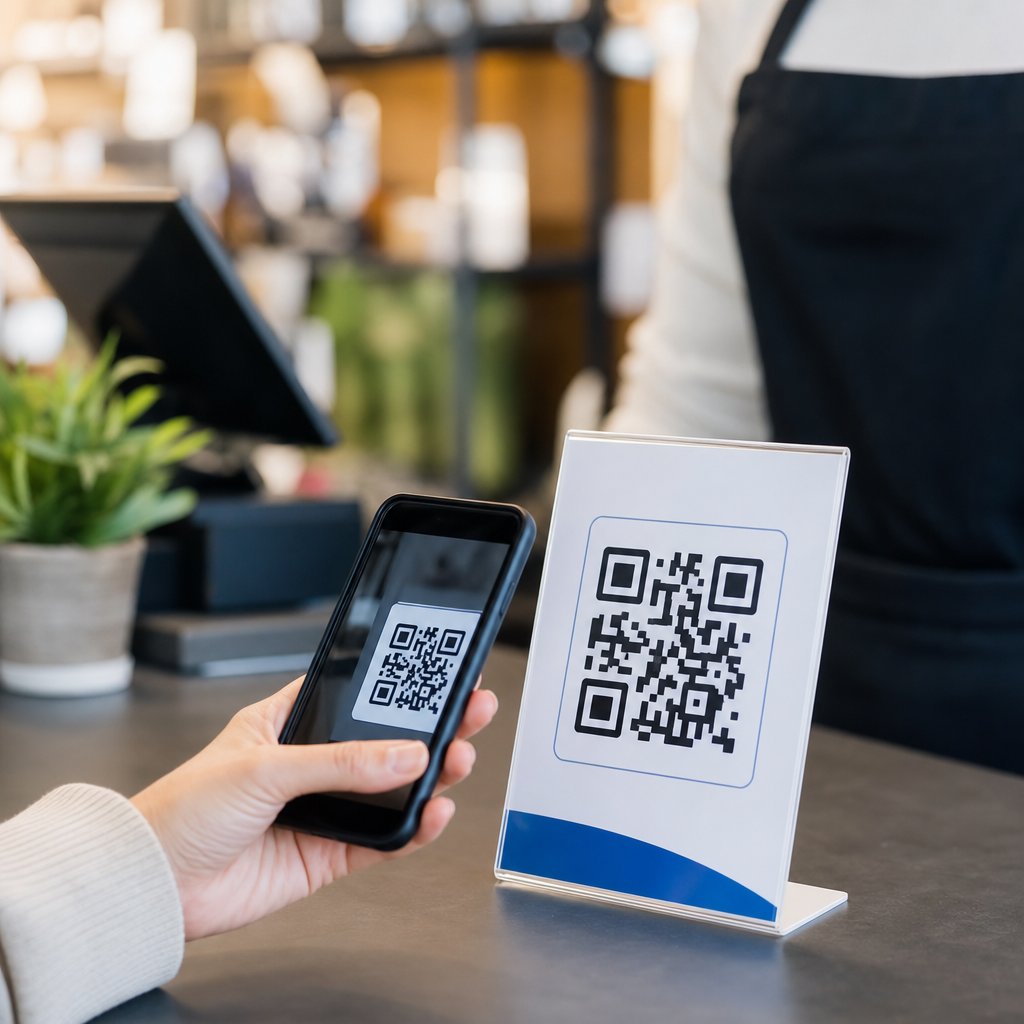
Dynamic QR codes for real-time promotions give marketers something static codes never could: the ability to change destinations, update campaign logic, and measure performance after print, packaging, signage, or direct mail has already shipped. A dynamic QR code points to a short redirect URL managed on a platform, rather than encoding the final landing page directly. That distinction matters because the marketer can swap the destination, add UTM parameters, trigger device-specific experiences, pause expired offers, or route traffic by location without reprinting the code itself. In retail, hospitality, events, and franchise marketing, I have seen this flexibility prevent wasted media spend and rescue campaigns when inventory, pricing, or timing changed at the last minute.
For organizations building advanced QR code strategies, dynamic QR codes are the operational center of the stack. They support real-time promotions because they connect offline attention to live digital decisioning. A poster in a train station can send morning commuters to one offer and evening commuters to another. A restaurant table tent can highlight lunch bundles before 3 p.m. and family meals after 5 p.m. A consumer packaged goods brand can place one code on a national label, then vary the destination by market, retailer, or campaign wave. The result is not simply convenience; it is campaign control, better attribution, and more relevant customer experiences.
This hub page explains the full playbook behind dynamic QR code strategies: campaign architecture, destination rules, analytics, governance, creative execution, and testing. It also clarifies where dynamic QR codes fit within a broader advanced QR program. If your goal is to run promotions that adapt in real time while preserving scan reliability, this is the foundation.
What Dynamic QR Code Strategies Actually Include
Dynamic QR code strategies go beyond “make the link editable.” A mature program defines the redirect infrastructure, the campaign taxonomy, the decision rules, and the measurement plan before a code appears in market. In practice, that means choosing a QR management platform such as Bitly, QR Code Generator PRO, Beaconstac, Flowcode, or Uniqode; establishing naming conventions for campaigns; setting expiration logic; and determining which variables can change safely without breaking attribution. The best teams also separate evergreen destination paths from short-term promotional overlays so they can update offers without disrupting baseline reporting.
At minimum, a dynamic QR promotion should answer five operational questions. What experience should open after the scan? Under what conditions should that experience change? How will the team track unique scans, repeat scans, conversions, and assisted revenue? Who has permission to edit the redirect? What happens when the promotion ends? If those questions are unresolved, dynamic codes create chaos instead of agility. When they are answered upfront, a single printed asset can support multiple campaign phases with clear controls.
Real-world examples show the difference. A sports venue might place one QR code on seatbacks for concession offers. During pregame, scans route to mobile ordering for discounted drinks. At halftime, the same code routes to a limited dessert promotion. Late in the event, it can promote merchandise pickup instead of food, based on fulfillment capacity. The code did not change, but the experience matched operational reality. That is the core advantage of dynamic QR code strategies.
How Real-Time Promotions Work Across Channels
Real-time promotions succeed when the QR code is treated as a bridge between fixed media and live decisioning. The media itself may be static—flyers, shelf wobblers, receipts, in-store displays, product packaging—but the promotional logic behind the scan is not. Most platforms enable redirects based on time, geography, language, and device type. More advanced setups add CRM segments, weather triggers, inventory feeds, or event-based automation through tools like Zapier, Make, Segment, or custom APIs.
Retail is the clearest use case. I have worked on store campaigns where window signage carried one dynamic code for a month, yet the offer changed three times. Week one promoted storewide discounts to drive footfall. Week two shifted to category-specific markdowns after sell-through reports showed excess apparel inventory. In the final days, the same code led to a “last chance” landing page with store hours, map directions, and reserve-online-pickup-in-store options. Because the scans were centralized under one managed code, the team could compare traffic spikes by daypart and tie them to POS results.
Hospitality and restaurants benefit in similar ways. A hotel lobby sign can direct weekday business travelers to breakfast add-ons in the morning and happy-hour reservations later in the day. A quick-service chain can use tray liners with dynamic codes that switch between new product launches, loyalty enrollment, and bounce-back offers depending on store traffic. Franchise systems especially value this model because headquarters can issue one approved design while local operators receive market-specific destinations.
For events, dynamic codes reduce risk. Printed badges, banners, and programs are usually finalized weeks before attendees arrive, yet sponsors, session rooms, and agendas often change. A dynamic QR code on event signage can update speaker materials, registration links, scavenger hunts, or flash promotions in minutes. That responsiveness protects the attendee experience and preserves sponsor value.
Core Components of a High-Performing Dynamic QR Campaign
Every high-performing dynamic QR campaign contains four components: a reliable scan experience, a fast and relevant destination, measurable outcomes, and operational governance. Reliability starts with design basics. The code needs sufficient contrast, quiet zone spacing, and a tested size appropriate to scan distance. ISO/IEC 18004 remains the technical standard behind QR symbol structure, but in practical campaign work, readability is won or lost by print quality, placement, glare, and call-to-action clarity. Even the smartest redirect logic fails if users cannot scan quickly.
The destination experience matters just as much. Mobile-first landing pages should load in under three seconds on standard cellular connections, present the promotional value immediately, and minimize friction. If redemption requires a coupon, barcode, or app deep link, that action should be visible above the fold. If the campaign targets in-store conversion, include store locator information, valid dates, and terms close to the offer. If the goal is lead capture, keep forms short. Dynamic QR promotions underperform when teams spend all their energy on the code and too little on the page that follows.
| Campaign element | Best practice | Why it improves results |
|---|---|---|
| Redirect setup | Use dynamic short URLs with editable destinations and UTM tagging | Preserves the printed code while keeping analytics consistent |
| Landing page | Build mobile-first pages with one primary action | Reduces drop-off after scan |
| Timing rules | Schedule destinations by daypart, date range, or event trigger | Makes promotions feel current and increases relevance |
| Measurement | Track scans, unique users, conversion events, and revenue in GA4 or similar tools | Connects offline media to business outcomes |
| Governance | Limit editing rights and maintain a redirect change log | Prevents broken experiences and unauthorized swaps |
Measurement and governance are where advanced teams separate themselves. Scans alone are not enough. Connect dynamic QR campaigns to GA4 events, CRM lead records, POS redemptions, or ecommerce transactions. At the same time, establish approval workflows. I strongly recommend role-based access, naming standards, and archived destination snapshots. When several marketers can update live redirects, accidental changes are common unless governance is explicit.
Analytics, Testing, and Optimization for Better Promotional Lift
Dynamic QR code analytics should be read as a funnel, not a vanity dashboard. Start with scan volume, then evaluate unique scans, landing-page engagement, click-through to the final action, and conversion or redemption. If scans are high but conversions are low, the problem usually sits in the landing page, the offer, or the handoff to checkout. If scans are low, the issue is more often creative prominence, placement, incentive strength, or scan friction. This diagnostic sequence saves time because it separates media problems from destination problems.
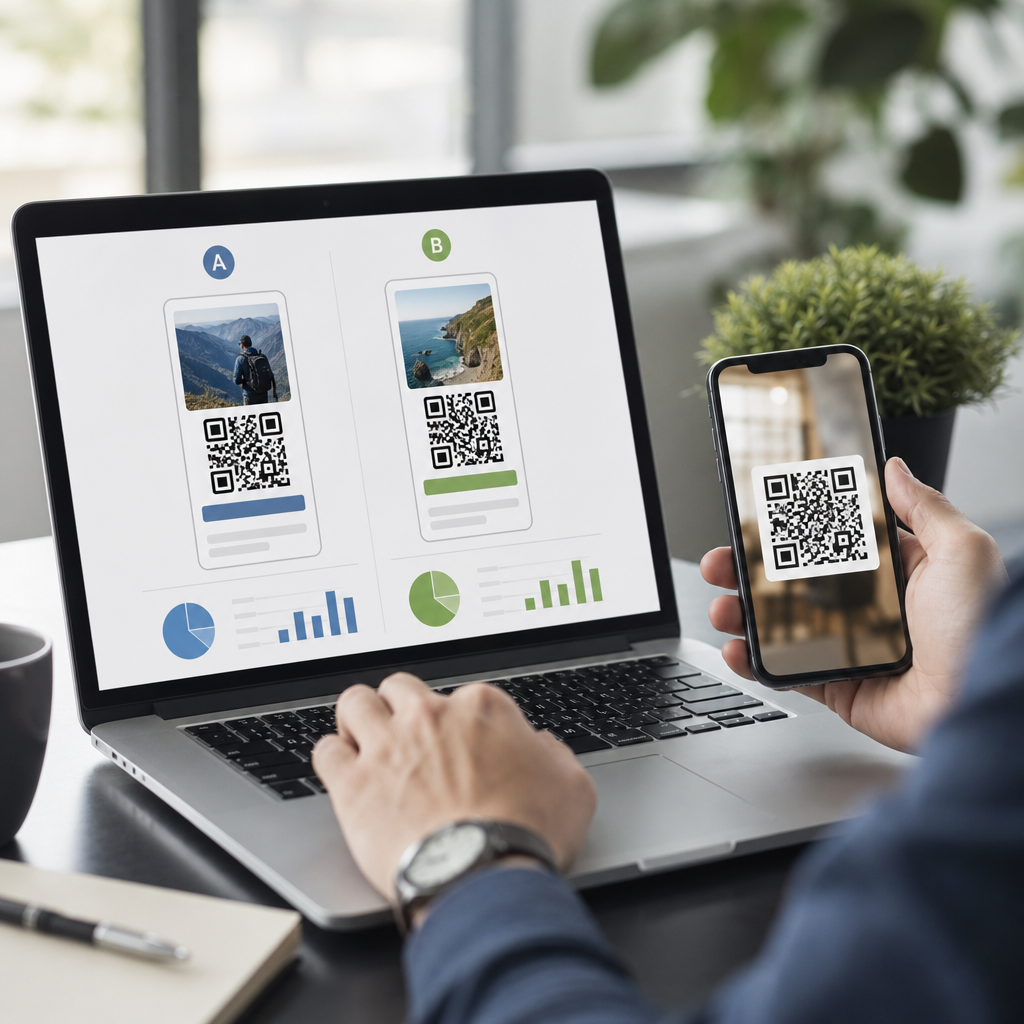
Testing should be continuous. A/B test call-to-action language on the printed asset before rollout where possible, then test landing-page headlines, imagery, and offer framing after launch. Compare “Scan for 20% off today” against “Scan to unlock today’s offer” rather than assuming one message will win universally. Test by location type as well. Mall traffic, transit traffic, stadium traffic, and hotel traffic behave differently, and their response windows are not the same. Dynamic QR codes make this easier because the destination can evolve while the printed code remains unchanged.
Analytics also reveal timing insights that are impossible to see with static links embedded in packaging or posters. In one retail campaign, scan peaks appeared between 12 p.m. and 2 p.m., but purchase peaks followed after 6 p.m. That showed shoppers were researching in-store during lunch and completing orders later at home. The team responded by changing the landing page during the evening window to emphasize free shipping and saved-cart reminders. Conversion rate improved without replacing a single printed sign.
Do not ignore attribution limits. Native scan metrics on QR platforms may count interactions differently from GA4 sessions because of redirects, browser privacy features, and repeat visitors. POS redemptions may lag scans by days. Offline sales influenced by a scan are especially hard to prove without coupon codes, loyalty identifiers, or matched-market testing. Good reporting acknowledges these limitations instead of claiming perfect causality.
Governance, Security, and Hub-Level Content Planning
Because this page serves as a hub within advanced QR code strategies, it is important to define the supporting topics organizations should build next. The strongest content clusters usually include destination routing rules, QR code analytics setup, location-based QR campaigns, QR code design and scanability, dynamic QR codes for packaging, dynamic QR codes for events, and governance for enterprise QR deployments. Each subtopic deserves a dedicated deep-dive page linked from this hub and back to it through descriptive anchor text. That internal structure helps teams and search engines understand the full scope of the subject while guiding readers from strategy to execution.
Governance deserves special emphasis because live redirects can create legal and brand risk. Promotions must honor advertised terms, date windows, and jurisdictional restrictions. If a coupon expires, the QR destination should explain that clearly and route users to a fallback offer, not a dead page. Security matters too. Since dynamic codes rely on redirects, choose vendors with HTTPS, uptime commitments, audit logs, and enterprise controls such as SSO where needed. If a QR platform account is compromised, every code under that account can be altered. That is not theoretical; it is a genuine operational vulnerability.
Used well, dynamic QR codes turn static media into adaptable promotional inventory. They let marketers react to timing, inventory, audience context, and performance data while protecting investments in print and packaging. The key is to treat them as a managed system, not a one-off tactic. Build reliable codes, fast landing pages, clear routing logic, measurable outcomes, and tight governance. Then expand this hub into the linked subtopics that matter most for your business. If you want real-time promotions that stay relevant after assets are printed, start by auditing your current QR codes and replacing static destinations with governed dynamic workflows today.
Frequently Asked Questions
What is a dynamic QR code, and how is it different from a static QR code for promotions?
A dynamic QR code is a QR code that contains a short, trackable redirect URL rather than the final destination URL itself. When someone scans it, the request first goes through a management platform, which then sends the user to the current landing page or experience you have configured. That setup is what makes it so useful for real-time promotions. If an offer changes, inventory runs out, a campaign ends early, or you want to switch from one landing page to another, you can update the destination in the dashboard without reprinting the code on packaging, flyers, posters, menus, product labels, direct mail, or in-store signage.
By contrast, a static QR code encodes the final URL directly. Once printed and distributed, it is effectively locked. If the destination page breaks, the promotion changes, or you need to redirect traffic somewhere else, the code itself cannot adapt. That limitation can create wasted print spend and a poor user experience. Dynamic QR codes solve that problem by separating the printed code from the destination logic.
For marketers, that distinction is especially important because promotions are rarely fixed. You may want to route users to a seasonal sale this week, a clearance page next week, and a product launch page next month, all from the same printed asset. Dynamic QR codes also support campaign measurement, including scan counts, time-based activity trends, approximate location data, device information, and UTM parameter handling. In practical terms, they turn a printed code into a flexible promotional channel instead of a one-time link.
Why are dynamic QR codes especially valuable for real-time promotions and time-sensitive campaigns?
Dynamic QR codes are valuable for real-time promotions because they let marketers react after materials are already in the market. That means the promotion does not have to be finalized before printing. A restaurant can update a weekend special on table tents, a retailer can change a holiday offer on window signage, and a brand can switch a direct mail campaign from a teaser page to a limited-time discount page without replacing any physical materials. That agility is difficult to match with static codes.
They are also useful when business conditions change quickly. If a product sells out, the QR code can send users to a waitlist, a nearby alternative, or a related product bundle. If a campaign is underperforming, the destination can be revised to improve conversion. If a promotion is location-specific or tied to store hours, the redirect logic can route scanners to different experiences depending on timing, device type, geography, or campaign rules set in the platform. This makes dynamic QR codes particularly effective for flash sales, event-based marketing, regional offers, and promotional testing.
Another major advantage is that dynamic QR codes preserve the value of distributed print. Traditional printed marketing often has a long shelf life, but promotional messaging can become outdated within days. With dynamic QR infrastructure, the printed code remains usable even as the campaign evolves behind the scenes. That gives brands more speed, less operational waste, and more confidence when launching promotions that may need optimization after rollout.
Can I change the landing page, add tracking parameters, or personalize the user experience after the QR code is printed?
Yes. That is one of the core benefits of dynamic QR codes. Once a dynamic code has been created and printed, you can usually log into the QR management platform and change the destination URL at any time. You can redirect scanners to a new product page, an updated campaign microsite, a lead form, an app store listing, a coupon page, or any other destination supported by your strategy. This is particularly useful when promotions need to be refreshed without incurring the cost and delay of reprinting materials.
In addition to changing the destination, many platforms allow marketers to append or modify UTM parameters for analytics. That means the same QR code can continue to be used while your reporting setup becomes more precise. You can identify traffic from packaging versus point-of-sale displays, compare response rates from different regions, or distinguish one print run from another. This makes attribution and campaign optimization much more practical, especially when offline materials are driving digital engagement.
Some dynamic QR code systems also support conditional routing and personalization. For example, mobile users can be sent to an app page while desktop users go to a website. Scanners from one city can receive a local store offer, while users in another market see a different promotion. You can also redirect based on date, campaign phase, language preference, or testing logic. The result is a more relevant user experience and a much stronger promotional tool than a one-size-fits-all static destination.
What kind of analytics and performance data can dynamic QR codes provide?
Dynamic QR codes can provide a meaningful layer of campaign intelligence that static codes typically cannot. At a basic level, most platforms track total scans, unique scans, scan timing, and trends over time. This helps marketers see whether engagement spikes after a mail drop, peaks during store hours, increases during a promotion window, or drops off after messaging changes. Those timing insights can be used to improve scheduling, creative placement, and offer cadence.
More advanced reporting often includes approximate geographic data, device type, operating system, browser details, and referral context where available. These data points can help marketers understand where response is strongest, whether Android or iPhone users behave differently, and which environments drive the most effective scans. For a multi-location brand, this can reveal whether certain stores, regions, or printed placements outperform others. For a national campaign, it can guide media allocation and localized creative decisions.
Dynamic QR analytics are also useful when combined with broader measurement tools. If you use UTM parameters and web analytics platforms, you can connect scan activity to sessions, conversions, revenue, and downstream customer actions. That enables clearer ROI analysis for print and physical media channels that are otherwise difficult to measure. The key point is that dynamic QR codes are not just a convenience feature for changing links; they are a bridge between offline exposure and digital performance data, which makes them highly valuable for modern promotional strategy.
What are the best practices for using dynamic QR codes in real-time promotions without hurting user experience or campaign results?
The most important best practice is to make sure the destination experience is fast, mobile-friendly, and tightly aligned with the promotional promise near the code. If a sign says “Scan for today’s offer,” the landing page should immediately present that offer, not a generic homepage. Dynamic QR codes give you flexibility, but that flexibility only helps if the redirected experience is relevant and frictionless. The scan should feel like a direct path to value, not an extra step.
It is also wise to use clear calls to action and thoughtful placement. Users are more likely to scan when they know what they will get, such as a discount, limited-time deal, product details, event access, or loyalty reward. The code should be large enough to scan easily, printed with strong contrast, and positioned where users can access it comfortably. Testing across devices, lighting conditions, and real-world environments is essential, especially for packaging, outdoor signage, and direct mail.
From an operational standpoint, maintain redirect reliability and governance. Use a trusted platform, monitor links regularly, and avoid changing destinations in ways that confuse the audience or break campaign expectations. Keep naming conventions and tracking structures consistent so analytics remain useful over time. If you are running multiple promotions from one code, document the update schedule and performance goals. Finally, think strategically about lifespan: a code placed on long-term packaging should probably route to an evergreen promotional hub or logic layer, not a single short-lived landing page. When dynamic QR codes are managed carefully, they create a better customer journey, reduce wasted print investment, and give marketers much more control over real-time promotional performance.