QR codes are now a routine part of business and marketing, but some industries depend on them far more heavily than others. A QR code, or quick response code, is a two-dimensional barcode that stores a URL, file, payment request, contact record, or other digital action that a smartphone camera can open instantly. In practice, that simple scan bridges physical spaces and digital experiences better than almost any other tool I have used in campaigns, retail rollouts, event operations, and customer support programs. Businesses value QR codes because they are low cost, fast to deploy, measurable, and flexible enough to serve sales, service, compliance, and engagement at the same time.
The question, what industries use QR codes the most, matters because adoption is no longer evenly distributed. Some sectors use QR codes occasionally for convenience, while others build entire workflows around them. Restaurants rely on them for menus and ordering, retailers use them for product information and omnichannel conversion, healthcare organizations use them for patient access and labeling, and logistics teams use them to track movement through the supply chain. Financial services, hospitality, education, real estate, manufacturing, transportation, and live events also use QR codes heavily because they solve a common problem: connecting a person, product, or place to the right digital resource in seconds without forcing manual typing.
As a hub for business and marketing FAQs, this guide answers the core industry question and the practical follow-ups decision makers usually ask next: where QR codes perform best, what use cases drive real adoption, what limitations exist, and how companies should evaluate implementation. The strongest QR code strategy is never just putting a square on packaging or signage. It starts with a clear user need, links to a mobile-friendly destination, tracks scans with analytics, and fits the rules of the industry using it. When those conditions are met, QR codes become one of the most efficient conversion and service tools available.
Retail and ecommerce use QR codes at scale because they shorten the path to purchase
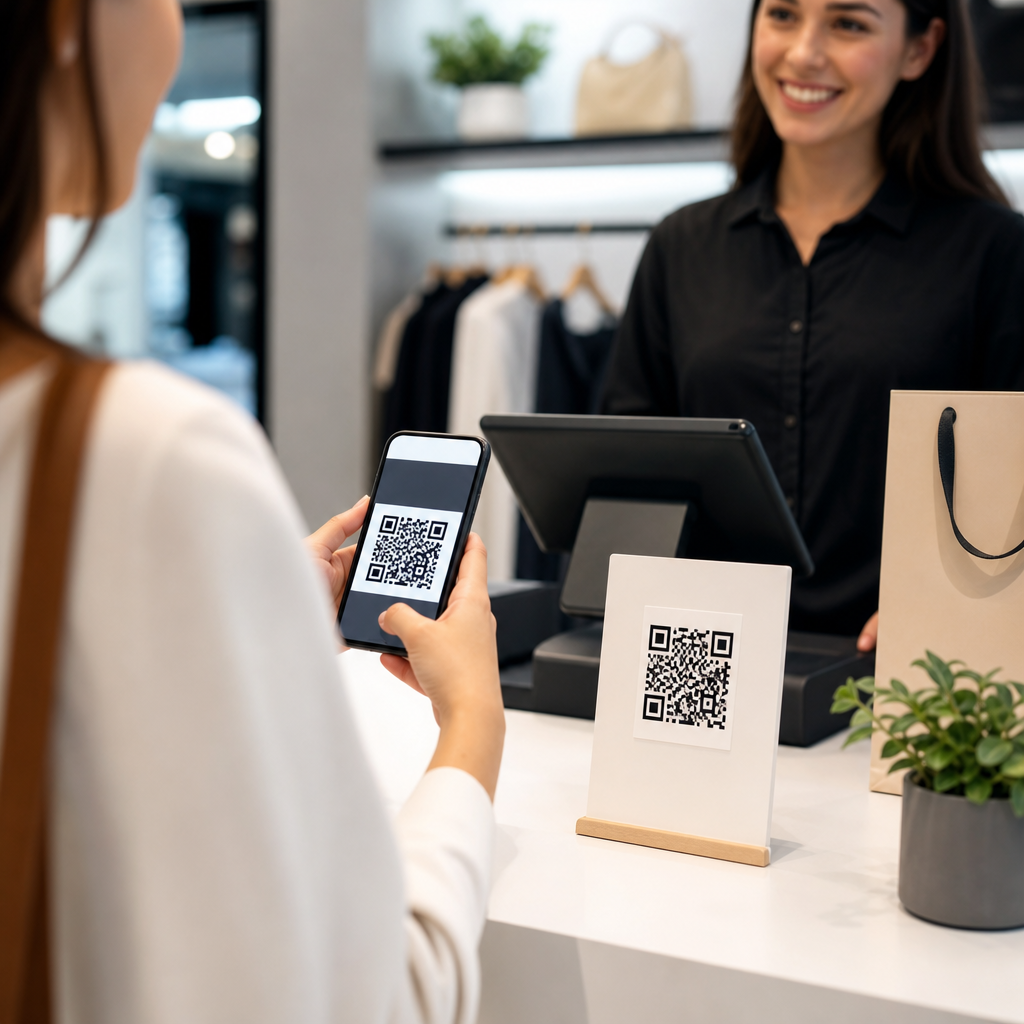
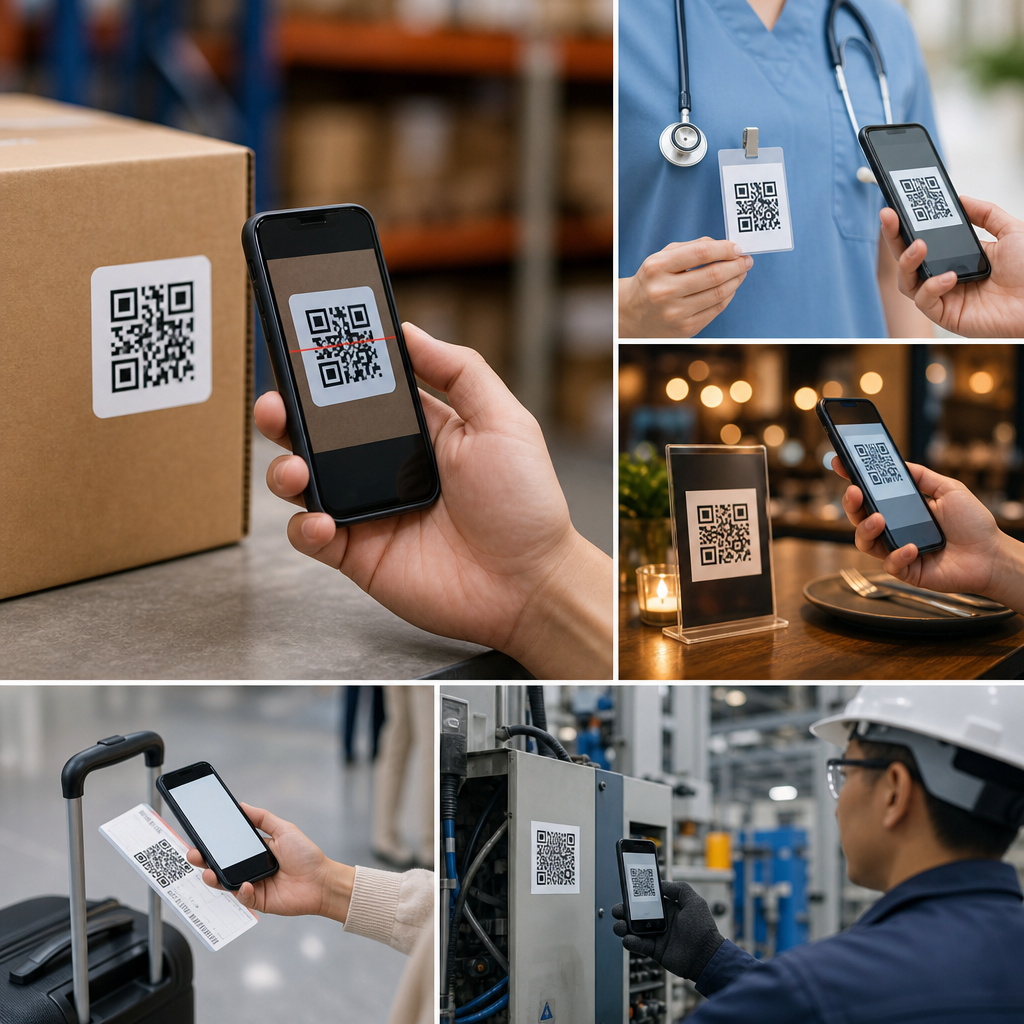
Retail is one of the largest QR code users because stores constantly need to connect shelf space with richer digital content. I have seen retailers use QR codes on packaging, endcaps, window displays, receipts, direct mail, and in-store signage to deliver product specs, reviews, size guides, warranty registration, loyalty enrollment, and app downloads. In ecommerce support, the same codes are used on return labels, inserts, and fulfillment packaging to drive reorder flows, setup tutorials, and customer service.
The reason retail leads is simple: QR codes reduce friction in high-intent moments. A shopper standing in front of a product has immediate questions about price, ingredients, stock, compatibility, or promotions. A scan answers those questions without requiring a store associate or a search engine query. Major brands also use dynamic QR codes, which let teams change the destination after printing. That means a code on a seasonal display can later point to clearance inventory, a how-to video, or a store locator, preserving the printed asset while changing the campaign.
Retailers also benefit from measurable offline attribution. By tagging QR destinations with campaign parameters in platforms such as Google Analytics 4, Adobe Analytics, or Shopify reporting, teams can see which displays, stores, and packaging placements create scans, sessions, and conversions. That level of visibility is why QR codes remain a practical bridge between physical merchandising and digital revenue.
Restaurants, hospitality, and travel use QR codes to streamline service and reduce wait time
Restaurants dramatically expanded QR code use through digital menus, but menus are only the beginning. Quick-service chains use codes for table ordering, loyalty sign-up, coupon redemption, feedback requests, and mobile payment. Full-service restaurants often place them on table tents, receipts, and takeaway packaging. Hotels use QR codes for contactless check-in, guest directories, Wi-Fi access, spa bookings, room service menus, and local attraction guides. Airlines, rail providers, and travel operators use them in boarding passes, kiosks, and wayfinding.
These industries use QR codes heavily because customer flow matters. A hotel guest does not want to queue at the desk for basic information, and a diner does not want to wait for a printed menu or bill. A scan can remove delays while lowering printing costs and helping operators update information instantly. During peak demand, that operational efficiency directly affects revenue because faster table turns, fewer front-desk bottlenecks, and quicker check-in all improve capacity.
There are tradeoffs. Some guests still prefer printed menus or human interaction, and accessibility must be considered for users with limited vision, older devices, or weak connectivity. The best operators provide QR codes as a primary option without eliminating non-digital alternatives.
Healthcare and pharmaceuticals use QR codes for accuracy, access, and compliance
Healthcare uses QR codes extensively because information accuracy can affect safety. Hospitals and clinics place QR codes on wristbands, lab samples, medication packaging, appointment reminders, discharge paperwork, and patient portals. Pharmaceutical manufacturers use them for traceability, anti-counterfeiting measures, and product authentication. Medical device makers add QR codes to packaging and equipment labels so clinicians can access instructions for use, maintenance records, and regulatory documents immediately.
In my experience, healthcare organizations adopt QR codes when they need a fast, low-error way to match a patient, specimen, or product to the correct digital record. Scanning is faster and more reliable than manual entry, especially in high-volume environments. It also supports patient engagement. A code on discharge instructions can open medication guidance, follow-up scheduling, and symptom education in multiple languages.
Compliance is a major driver here. Regulated industries need controlled documentation, audit trails, and clear labeling standards. QR codes do not replace formal compliance systems, but they improve access to validated information and reduce mistakes caused by outdated printed materials.
Logistics, manufacturing, and transportation rely on QR codes for tracking and workflow control
Supply chain operations use QR codes constantly. Warehouses scan them on pallets, bins, shelves, work orders, and shipping labels to identify location, status, and handling instructions. Manufacturers use them for serialized parts, maintenance records, quality checks, and work-in-progress tracking. Transportation companies attach QR codes to parcels, tickets, lockers, delivery confirmations, and fleet inspection forms.
These sectors use QR codes the most whenever speed and traceability define performance. A warehouse picker can scan a bin and confirm inventory in a warehouse management system instantly. A technician can scan a machine and open the exact service history rather than searching manually. A delivery driver can scan a package to confirm handoff and trigger customer notification in real time.
| Industry | Common QR code use cases | Main business benefit |
|---|---|---|
| Retail | Packaging, product pages, loyalty, coupons | Higher conversion and better attribution |
| Restaurants and hospitality | Menus, ordering, check-in, payment, reviews | Faster service and lower operating friction |
| Healthcare | Patient ID, labeling, records access, education | Accuracy, safety, and compliance support |
| Logistics and manufacturing | Tracking, inventory, maintenance, proof of delivery | Traceability and workflow efficiency |
| Finance and events | Payments, authentication, ticketing, lead capture | Secure transactions and smoother entry |
Unlike simple static labels, QR codes can carry variable data and link directly into enterprise systems such as SAP, Oracle NetSuite, Zebra workflows, or custom MES and WMS tools. That system integration is what makes them operationally critical rather than merely convenient.
Finance, real estate, education, and events use QR codes to capture intent quickly
Financial services use QR codes for account access, peer-to-peer payments, invoice settlement, branchless onboarding, and fraud-resistant authentication steps. Payment systems based on QR standards are particularly common in mobile-first markets because they reduce hardware needs compared with card terminals. Real estate agents place QR codes on yard signs, brochures, and open-house materials to route prospects to listings, mortgage calculators, and scheduling forms. Schools and universities use them for attendance, campus maps, digital resources, and admissions marketing. Event organizers use them for registration, ticket validation, exhibitor lead capture, and post-event surveys.
What connects these industries is intent capture. The user is already interested and needs the next step immediately. A passerby at a property sign wants photos and price details now. A conference attendee wants to enter a session or share contact details without filling out a paper form. A student on campus wants to reach the correct portal without typing a long address. QR codes work well because they convert curiosity into action within seconds.
For marketers, this creates a reliable offline-to-online handoff. Best practice is to send each scan to a dedicated landing page that matches the source context, not a generic homepage. That relevance raises completion rates and gives teams cleaner data for optimization.
How businesses should prioritize QR code adoption and what can go wrong
If a company is deciding whether QR codes fit its marketing or operations, three questions usually settle it. First, does the user need digital information or an action at a physical touchpoint? Second, is typing a URL or searching manually too slow or error prone? Third, can the destination be measured and maintained over time? If the answer is yes to all three, QR codes are often worth deploying.
The most common failures are avoidable. Codes are printed too small, placed where cameras cannot scan, linked to non-mobile pages, or sent to content that does not match user intent. Some teams fail to test under real lighting conditions, and others forget governance, leaving broken links on packaging or signage months later. Security also matters. Because users cannot see a destination before scanning, businesses should use branded domains, clear surrounding copy, and secure HTTPS links. In regulated settings, data collection and retention policies must be reviewed carefully.
The industries that use QR codes most successfully treat them as part of a larger customer or workflow system, not as isolated graphics. They connect scans to analytics, CRM, POS, ticketing, or inventory tools, then improve performance based on actual usage data.
The industries that use QR codes the most are retail, restaurants, hospitality, travel, healthcare, logistics, manufacturing, finance, real estate, education, and live events. They lead adoption because QR codes solve immediate business problems: faster access to information, lower operational friction, better tracking, and easier conversion from offline touchpoints to digital actions. The strongest use cases are practical, not trendy. They help customers buy, check in, learn, pay, verify, or receive support with minimal effort.
For teams building a business and marketing FAQ resource, the main lesson is that QR code success depends on fit. The right industry use case combines a clear user need, a mobile-ready destination, reliable analytics, and ongoing ownership of the linked experience. When any of those pieces is missing, scan rates and outcomes drop. When they work together, QR codes become one of the simplest high-leverage tools in modern marketing and operations.
If you are planning QR code content for your organization, start with one high-intent touchpoint, measure results, and expand from proven behavior. That approach turns QR codes from a nice extra into a dependable growth and service channel.
Frequently Asked Questions
Which industries use QR codes the most today?
The industries that use QR codes most heavily are retail, restaurants and hospitality, events and entertainment, healthcare, transportation and logistics, and marketing-driven service businesses. Retail relies on QR codes for product information, digital coupons, loyalty signups, contactless payments, and connecting in-store displays to online product pages. Restaurants use them for menus, ordering, table payments, reviews, and promotions. Event organizers depend on them for ticketing, attendee check-in, schedules, maps, sponsor activations, and lead capture. Healthcare organizations use QR codes for patient intake, prescription information, appointment check-ins, equipment tracking, and educational resources. Transportation and logistics teams use them for shipment tracking, inventory workflows, proof of delivery, and asset identification.
What these industries have in common is speed, scale, and constant interaction with customers, staff, or physical assets. QR codes solve a practical problem in all of those environments: they reduce friction between something people can see in the real world and an action they need to take on a phone. That is why the industries with the highest scan volume are usually the ones handling high foot traffic, fast transactions, changing information, or distributed operations. In those settings, QR codes are not just a convenience. They often become a core part of the customer journey and the operating model.
Why does retail use QR codes so extensively?
Retail uses QR codes extensively because the industry is constantly trying to connect the physical shopping experience with digital information and faster buying decisions. A QR code on a shelf tag, product package, sign, or window display can instantly open product specifications, customer reviews, styling ideas, stock availability, care instructions, warranty registration, or a mobile checkout page. That matters because modern shoppers often want more information before they buy, and they want it without waiting for an associate or searching manually online. QR codes help stores provide that information at the exact moment of decision.
They are also valuable operationally. Retailers use them in loyalty programs, returns, self-service kiosks, click-and-collect workflows, and location-based promotions. A single dynamic QR code can be updated to point customers to seasonal campaigns, limited-time discounts, or local store events without reprinting every supporting asset. From a marketing perspective, QR codes also create measurable engagement. Retail teams can track scans by location, campaign, and time of day, which helps them understand what displays or packaging are actually driving action. That combination of convenience, measurable performance, and low implementation cost is why retail remains one of the most aggressive adopters of QR code technology.
How are QR codes used in restaurants and hospitality?
Restaurants and hospitality businesses use QR codes because they streamline both service and promotion. The most obvious example is the digital menu, but that is only one piece of the picture. A QR code at a table can open menus, daily specials, allergen details, online ordering, tipping options, and payment screens. In hotels, QR codes can guide guests to check-in information, room service menus, spa bookings, Wi-Fi access, property maps, digital concierge services, and local recommendations. This creates a smoother guest experience while reducing printing costs and making updates much easier.
They are especially useful in environments where information changes often. Menu prices, availability, special offers, event schedules, and service hours can all be updated behind the same code. That flexibility is a major reason hospitality operators use them so often. They also support the business side of operations by encouraging reviews, loyalty enrollments, email signups, and repeat bookings. When used well, QR codes do not feel like a gimmick. They feel like a natural shortcut that helps guests get what they need quickly, while giving the business more control over communication, upselling, and service efficiency.
Are QR codes especially important for events, entertainment, and live experiences?
Yes, QR codes are particularly important in events, entertainment, and live experience environments because those industries depend on moving people and information quickly. Event teams use QR codes for digital tickets, registration confirmations, attendee badges, venue maps, agendas, exhibitor listings, session signups, feedback forms, and post-event follow-up. In a live setting, speed matters. Long lines, confusing directions, and missed updates damage the attendee experience almost immediately. QR codes help reduce that friction by giving guests an instant, self-service path to the right content or action.
They also create strong opportunities for engagement and measurement. Sponsors can use QR codes at booths, signage, packaging, and activations to capture leads, distribute offers, collect entries, or direct visitors to branded content. Museums, theaters, stadiums, and attractions use them for interactive tours, seat upgrades, concession ordering, merchandise sales, and educational overlays. Because live experiences are often temporary and fast-changing, the flexibility of a dynamic QR code is especially valuable. Organizers can update destinations in real time, monitor scan activity, and improve future events based on actual behavior. That makes QR codes one of the most practical digital tools available in event operations.
Do healthcare, logistics, and other operational industries use QR codes differently from marketing-focused industries?
They do. In healthcare, logistics, manufacturing, and similar operational sectors, QR codes are often used less as a promotional tool and more as a system for accuracy, traceability, and access to critical information. In healthcare, a QR code might link patients to intake forms, lab instructions, medication guidance, follow-up care information, or appointment check-in pages. Hospitals and clinics may also use codes for equipment tracking, patient education, and internal workflows. In logistics and warehousing, QR codes are commonly attached to packages, pallets, bins, and assets so teams can identify items, update status, confirm handoffs, and maintain chain-of-custody records with a quick scan.
The underlying value is different from a pure marketing campaign, but the principle is the same: reduce friction and improve accuracy. In operational environments, QR codes help people complete tasks faster while lowering the chance of manual errors. They can connect a physical object directly to a digital record, service history, compliance document, or workflow step. That is why these industries often see QR codes as part of infrastructure rather than just outreach. While consumers may notice QR codes most often in ads, menus, or packaging, many of the highest-value uses happen behind the scenes in industries where speed, documentation, and process control are essential.