
QR code tracking and traditional URL tracking both measure how people move from a marketing asset to a digital destination, but they capture different behaviors, contexts, and decision signals. In practice, marketers use tracking to answer basic revenue questions: which campaign created visits, which channel generated qualified leads, and which touchpoint deserves budget next quarter. A QR code is a machine-readable pattern that sends a smartphone user to a destination such as a landing page, app store, video, form, menu, or payment page. Traditional URL tracking usually means tagged web links, often built with UTM parameters, redirects, and analytics events, that identify source, medium, campaign, and content within web analytics platforms.
This distinction matters because mobile behavior has changed. Buyers routinely move between physical and digital environments: a package prompts a scan, a poster drives a visit, an event badge opens a profile, and a restaurant table tent launches an order flow. I have managed campaigns where a printed code on direct mail outperformed email click-through because the offer met people at the moment of intent. At the same time, I have also seen expensive print runs fail because teams treated scans as equivalent to clicks and ignored landing-page friction, attribution windows, and privacy constraints. Good measurement starts with choosing the right tracking method for the job, then designing reporting that reflects real customer journeys.
For a hub page on QR Code Analytics & Tracking, the goal is broader than a simple comparison. You need to understand what each method measures, where data quality breaks down, how platforms like Google Analytics 4 and Adobe Analytics interpret traffic, and how to connect scans or clicks to conversions. You also need operational discipline: naming conventions, redirect governance, testing procedures, consent management, and dashboards that sales and marketing teams can trust. When those pieces are in place, QR code tracking becomes measurable, comparable, and useful alongside conventional URL tracking rather than isolated from it.
How QR code tracking works in real campaigns
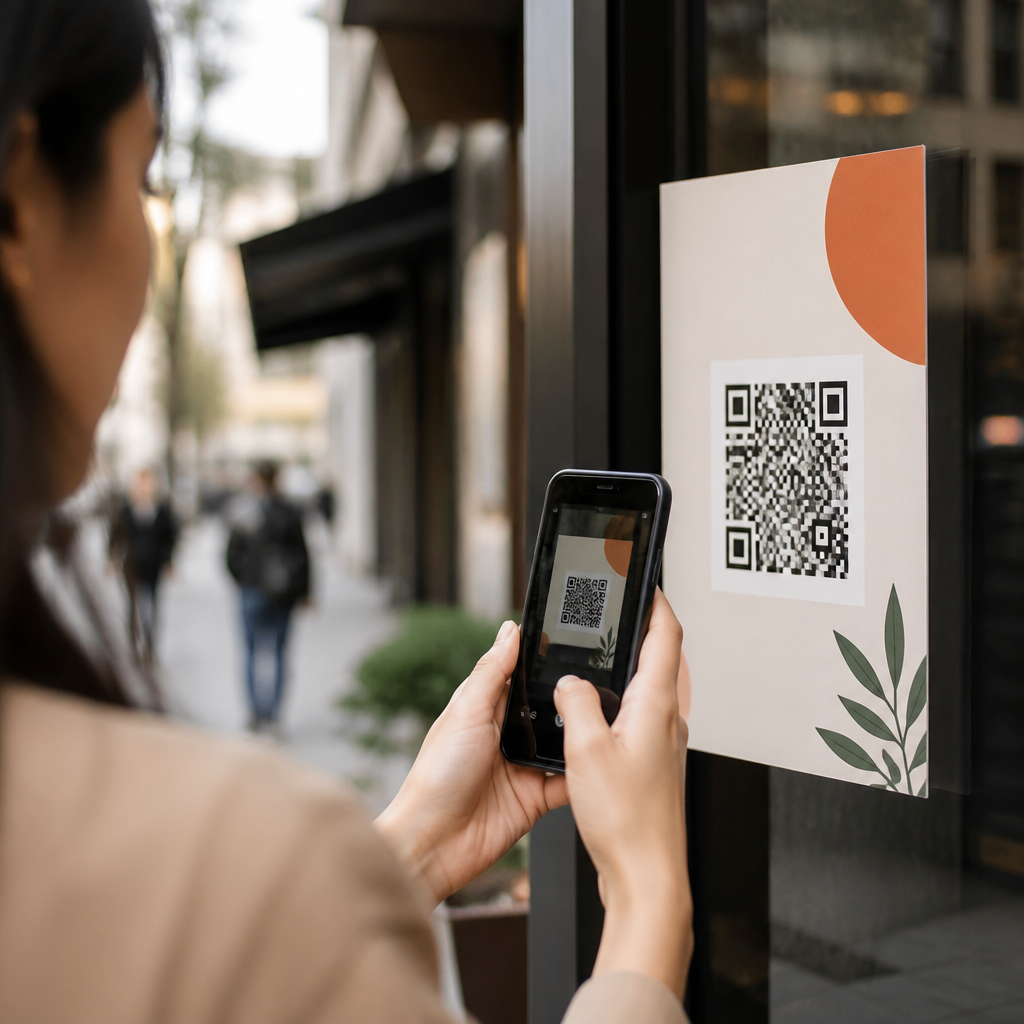
QR code tracking measures an offline-to-online interaction. The user opens a camera or scanning app, the code resolves to a URL, and the analytics stack records the visit after the redirect and page load. The trackable elements usually include the QR asset itself, the destination URL, any redirect rules, appended campaign parameters, device information, timestamp, approximate location by IP, and downstream events such as form submissions or purchases. Static codes point directly to a fixed destination. Dynamic codes point to a short redirect URL controlled by a QR platform, allowing marketers to change the destination after printing, add rules, and collect scan metrics centrally.
In field campaigns, dynamic codes are usually the better operational choice. If a retailer prints 100,000 inserts with a holiday offer and inventory changes, a dynamic code can redirect to a substitute category page without wasting print. Teams can also create separate codes for store signage, packaging, receipts, product manuals, and out-of-home placements, then compare engagement by asset. Popular platforms include Bitly, QR Code Generator Pro, Uniqode, Flowcode, and enterprise link-management tools. The best setups route the scan through a branded short domain, preserve UTM tags, and pass the user to a mobile-optimized page that fires analytics events immediately and consistently.
What does a scan actually tell you? It proves that a device attempted to resolve the code. It does not automatically prove a quality visit, a human viewed the landing page long enough to read it, or a conversion should be attributed solely to the QR touchpoint. Camera previews, repeated scans, accidental opens, and weak mobile connections create noise. That is why serious QR code analytics separates scan volume from sessions, engaged sessions, conversion rate, and revenue per scan. In my audits, the most common mistake is celebrating scans while the landing page has a high bounce rate because the page is slow, the offer is unclear, or the URL opens an app interstitial the user did not expect.
How traditional URL tracking works and where it excels
Traditional URL tracking begins with a link embedded in a digital environment: search ads, social posts, email, SMS, display ads, affiliate placements, or internal website banners. The link usually includes campaign identifiers such as utm_source, utm_medium, utm_campaign, utm_content, and sometimes utm_term. When the user clicks, analytics software captures the parameters and associates them with session and conversion data. This method excels because it is native to digital channels, easier to standardize, and often richer when integrated with ad platforms, server-side tagging, and customer data systems.
The strongest use cases involve channels where the click itself is the marketing action. An email newsletter can distinguish subject-line tests with unique content tags. A paid social campaign can split audiences and creatives with precise parameter naming. An internal promotion can pass users to a product page and measure assisted conversions within the same domain. Because the user is already online, fewer steps separate the interaction from the visit. That usually means lower friction and cleaner attribution than many offline QR placements, especially when consent mode, first-party cookies, and event schemas are configured correctly.
Still, traditional URL tracking has limitations. It cannot capture offline attention without a bridge mechanism such as a QR code, vanity URL, or promo code. It is also vulnerable to broken naming conventions, missing parameters, redirects that strip query strings, and the familiar dark-social problem where copied links lose source context. In regulated sectors, compliance reviews can slow deployment. On mobile apps, in-app browsers and privacy restrictions can reduce visibility. These issues are manageable, but they underscore an important principle: URL tracking is powerful for digital channels, not a complete substitute for measurement in physical environments.
QR code tracking vs traditional URL tracking: the practical differences
The biggest difference is context. QR code tracking begins in a physical or semi-physical setting and captures intent at the moment someone chooses to bridge into digital. Traditional URL tracking begins inside a digital session and refines attribution within known online channels. Because of that, the metrics you prioritize should differ. For QR campaigns, placement, visibility, scanability, lighting, call-to-action language, and mobile landing-page speed strongly influence results. For tagged URLs, message-channel fit, audience targeting, creative quality, and click destination alignment matter more.
| Factor | QR Code Tracking | Traditional URL Tracking |
|---|---|---|
| Primary context | Offline to online | Online to online |
| User action | Scan with camera | Click or tap a link |
| Best for | Print, packaging, signage, events | Email, ads, social, website links |
| Main strengths | Connects physical assets to analytics, editable with dynamic redirects | Cleaner attribution in digital channels, easy parameterization |
| Main risks | Low scan rates, landing-page friction, duplicate scans | Parameter inconsistency, stripped tags, dark social |
| Core success metrics | Scans, sessions, engaged sessions, conversions per placement | Clicks, sessions, conversion rate, assisted revenue by channel |
Another difference is user effort. Scanning requires intent plus camera access, which can lower volume but raise engagement quality when the offer is relevant. Clicking a link is faster, so volume is often higher, but accidental clicks and low-intent traffic can dilute performance. I have repeatedly found that a QR code on product packaging generates fewer sessions than a matching email link, yet better downstream engagement because the user scans while holding the product. That is context-rich behavior. The opposite can happen with outdoor advertising, where curiosity scans spike but conversion rate stays low because users are moving, distracted, or on weak connections.
Attribution, analytics platforms, and data quality
Whether you use QR codes or tagged URLs, attribution quality depends on implementation detail. In Google Analytics 4, you need consistent campaign parameters, event definitions, and conversion setup. Session_start, page_view, generate_lead, purchase, and custom events should align with your reporting questions. In Adobe Analytics, eVars, props, processing rules, and marketing channels must be mapped so scans and clicks do not collapse into generic direct traffic. If a QR platform adds an intermediate redirect, validate that parameters persist, HTTPS is enforced, and no JavaScript-based redirect delays event firing on slower devices.
Data quality issues show up quickly in hub-level reporting. Duplicate codes reused across campaigns erase placement insight. Print vendors sometimes resize or stylize codes until they are hard to scan. Teams launch destination pages without testing on iOS and Android. Redirect chains slow the experience and can break measurement. Privacy controls also matter. Consent banners, Intelligent Tracking Prevention, ad blockers, and app-to-browser transitions can all reduce observable attribution. That does not make tracking useless; it means you should pair campaign analytics with operational logs, CRM outcomes, and, when appropriate, modeled attribution rather than claiming impossible precision.
A practical framework is to define three layers of evidence. First, interaction metrics: scans or clicks. Second, visit quality metrics: sessions, engagement time, scroll depth, and key events. Third, business outcomes: leads, orders, pipeline, repeat purchase, or store visits where available. When all three layers align, decision-making improves. If scans rise but qualified leads do not, fix the page or offer. If clicks convert but source names are inconsistent, fix governance before scaling. Reliable measurement is less about choosing one method forever and more about maintaining a clean chain from interaction to outcome.
Building a hub strategy for QR Code Analytics & Tracking
As the hub for this subtopic, this page should guide readers to the key supporting topics they will need next. The most useful cluster usually includes articles on dynamic vs static QR codes, UTM parameter conventions for QR campaigns, QR code testing checklists, GA4 setup for scan tracking, branded short domains, offline attribution models, QR code placement best practices, and privacy considerations for location and device data. Internally linking these articles from descriptive anchor text helps readers move from strategy to implementation while reinforcing topical authority across the broader Mobile QR Codes for Marketing section.
Operationally, start every campaign with a measurement brief. Define the asset, audience, offer, destination, success event, and naming convention. Create unique dynamic QR codes for each placement you may want to compare later. Use a branded redirect domain. Append UTM parameters that match your analytics taxonomy. Test the code from multiple devices, distances, and lighting conditions. Confirm that the landing page loads quickly, the primary action appears above the fold, and analytics events fire in debug mode. Then review the first week of data for anomalies such as unassigned traffic, redirect failures, or unusual scan bursts that suggest bot or duplicate activity.
The central takeaway is simple: QR code tracking and traditional URL tracking are not rivals so much as complementary measurement systems for different moments in the customer journey. Use QR codes when you need to connect physical assets to digital behavior, and use traditional tagged URLs to classify and optimize traffic that already begins online. The best marketing teams standardize both, compare them with the right metrics, and resist false equivalence between a scan and a click. Context changes behavior, so your analytics model must reflect that reality.
For marketers building a stronger QR Code Analytics & Tracking program, the immediate wins come from disciplined execution. Choose dynamic codes for flexibility, preserve campaign parameters through redirects, optimize every destination for mobile speed, and report scans separately from sessions and conversions. Then connect those findings to your CRM or ecommerce data so campaign decisions reflect revenue, not vanity metrics. If you are expanding the Mobile QR Codes for Marketing content hub, use this page as the starting point and map each supporting article to a specific implementation question your team needs answered next.
Frequently Asked Questions
What is the main difference between QR code tracking and traditional URL tracking?
The core difference is how the visit begins and what kind of user intent each method captures. Traditional URL tracking usually relies on clickable links with parameters such as UTM tags, which are commonly placed in email campaigns, paid ads, social posts, display banners, and other digital channels. When someone clicks that link, analytics platforms can attribute the session to a source, medium, campaign, and often a specific creative or audience segment. This makes traditional URL tracking especially strong for measuring digital journeys where the user is already online and interacting directly with a browser-based experience.
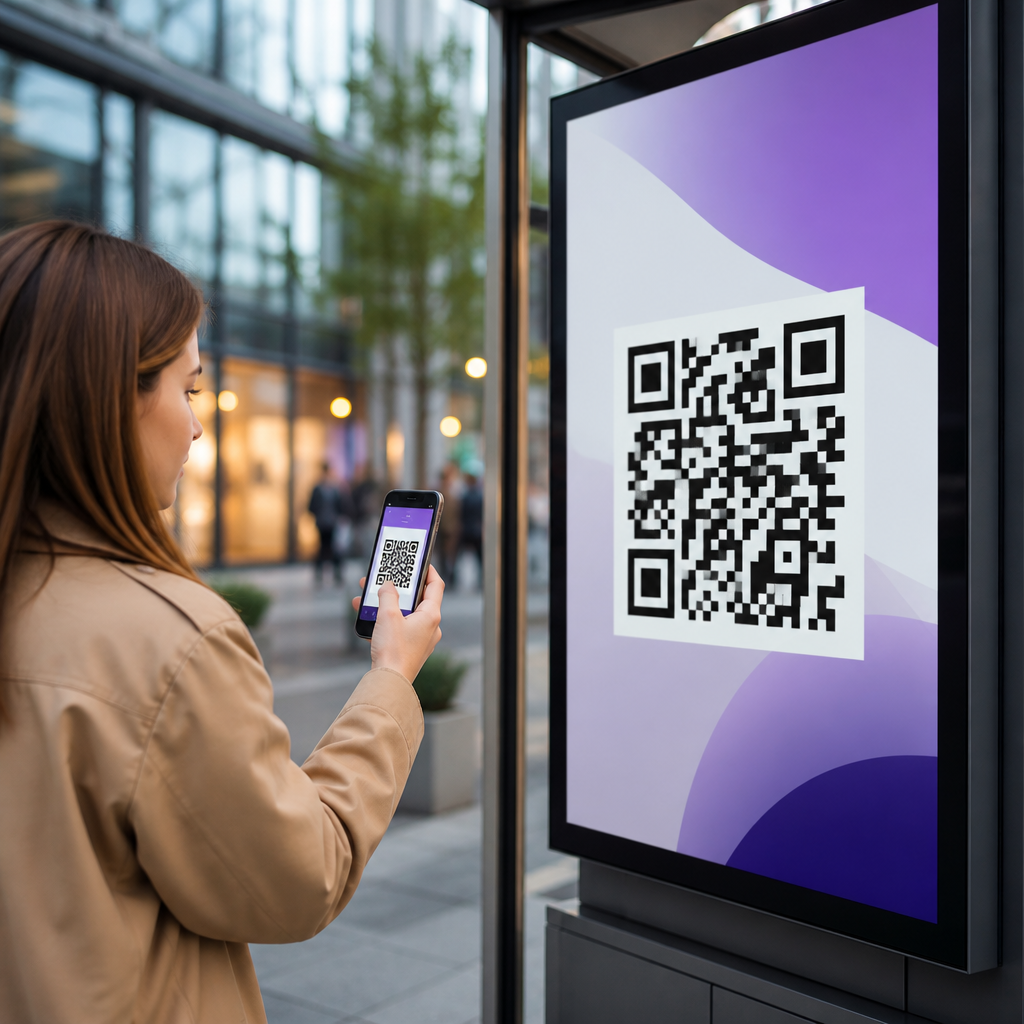
QR code tracking, by contrast, begins with a scan from a physical or visually displayed asset. That asset might be a product package, direct mail piece, in-store sign, event banner, business card, poster, restaurant table tent, or even a digital screen. The scan tells you that a user moved from an offline or hybrid environment into a digital destination using a smartphone camera or scanning app. That is a different behavioral signal than a standard link click. A QR scan often reflects in-the-moment intent triggered by physical context, convenience, curiosity, or urgency.
From a measurement perspective, both approaches can send users to tracked landing pages and both can feed campaign attribution models. However, QR code tracking provides a more direct way to measure engagement from print, packaging, signage, and real-world placements that traditional URL tracking cannot always capture cleanly. In short, URL tracking is best for digital-to-digital journeys, while QR code tracking is particularly valuable for offline-to-online journeys. Most marketers do not choose one over the other universally; they use both to understand how different channels influence action.
When should marketers use QR code tracking instead of traditional URL tracking?
Marketers should prioritize QR code tracking when the audience is encountering the message in a physical setting or in any environment where typing a long URL would create friction. If a campaign appears on print collateral, retail displays, product packaging, event materials, billboards, menus, mailers, or out-of-home advertising, a QR code creates a fast bridge to the digital experience. Instead of asking a user to remember a web address or search later, the code lets them act immediately. That immediacy often improves response rates and makes attribution more reliable because the path from exposure to action is shorter and easier to measure.
QR code tracking is also useful when location, placement, or asset-level performance matters. For example, a brand might use different QR codes for each store display, each direct mail version, each conference booth sign, or each product insert. That makes it easier to compare performance by venue, region, creative, or placement. In these scenarios, QR codes can reveal which real-world touchpoints are actually driving traffic, lead generation, app downloads, coupon redemptions, or sales-oriented visits.
Traditional URL tracking remains the better choice when users are already online and can click directly. In email, paid search, affiliate content, social media, and website banners, clickable tracked URLs are simpler and usually produce cleaner session data because the user does not need a second device step. The practical answer is not that QR codes replace tracked URLs. It is that QR codes solve specific attribution and usability problems in offline and cross-channel campaigns, while traditional URL tracking remains essential for purely digital media. The strongest measurement strategy usually combines both based on user context.
Are QR code scans easier or harder to attribute than visits from tracked URLs?
QR code scans can be easier to attribute in some ways and harder in others. They are easier when the goal is to isolate traffic from a specific physical asset. If a unique QR code is printed on a flyer, package, shelf display, or event sign, then every scan from that code can be tied back to that exact source with high confidence. This is one of the biggest advantages of QR tracking. It gives marketers a practical attribution mechanism for channels that otherwise tend to be measured loosely or inferred indirectly.
At the same time, QR attribution can become more complex once the user lands on the site or moves across devices and sessions. A scan may initiate the first visit, but the final conversion could happen later through another channel, such as organic search, email, direct return traffic, or a desktop revisit. Traditional URL tracking faces similar attribution challenges, but because it often begins and continues in a digital environment with richer clickstream continuity, analytics systems may have more familiar data structures for reporting it. QR campaigns can also be affected by app behavior, browser privacy settings, redirects, and analytics platform configuration.
The best way to improve attribution accuracy for QR code campaigns is to treat them with the same discipline used for digital links. Use distinct campaign parameters, map each code to a clear source and placement, create dedicated landing pages when appropriate, and align analytics, CRM, and conversion reporting before launch. If that setup is done correctly, QR scans can be highly attributable at the campaign-entry level. What they do not automatically solve is full-funnel attribution across longer buying journeys. For that, marketers still need strong analytics architecture, conversion tracking, and a realistic attribution model.
Can QR code tracking and traditional URL tracking work together in the same campaign?
Yes, and in many cases they should. The most effective campaigns often span both physical and digital environments, so using both tracking methods creates a more complete picture of user behavior. For example, a brand might run a product launch with email links, social ads, influencer content, retail signage, packaging inserts, and event materials. In that scenario, traditional tracked URLs measure clicks from digital channels, while QR codes measure responses from physical touchpoints. Together, they help answer a more important question than simple traffic volume: how each channel contributes to awareness, engagement, lead quality, and revenue.
Using both methods also improves campaign comparison. If all destinations point to the same or closely related landing pages, marketers can analyze whether users from QR scans behave differently from users who arrive through clickable links. You may find that QR users convert faster because they scanned with high intent in a purchase setting, or that URL visitors consume more content because they came from research-oriented digital channels. Those differences matter when allocating budget, refining creative, and choosing the next best follow-up channel.
To make the two approaches work well together, standardize naming conventions and campaign taxonomy. Every QR code and every URL should fit into the same reporting framework so source, medium, campaign, content, and placement can be compared consistently. Avoid treating QR traffic as an isolated experiment. Instead, fold it into the same analytics and revenue reporting used for email, paid media, organic social, and other channels. When that happens, QR code tracking stops being a novelty feature and becomes a meaningful part of full-funnel measurement.
Which method is better for measuring ROI and deciding future marketing budget?
Neither method is universally better on its own. The better method is the one that matches the channel where user action begins and the business question being asked. If a campaign is digital-first, traditional URL tracking is usually the most efficient and direct way to measure visits, conversions, and downstream ROI. It fits naturally with existing analytics tools, ad platforms, and attribution systems. Marketers can often segment performance by audience, keyword, creative, placement, and device with a high degree of precision.
QR code tracking becomes especially valuable for ROI analysis when offline or physical media are part of the mix. Without QR-based measurement, channels such as direct mail, packaging, in-store displays, and event signage can be difficult to connect to site visits and lead generation. A QR code gives those touchpoints a measurable path into digital analytics. That means marketers can compare previously opaque channels against more measurable digital ones and make stronger decisions about where to invest. In many organizations, that alone makes QR tracking strategically important.
For budget planning, the real objective is not to crown one tracking method as superior. It is to reduce blind spots. If your reporting only captures tracked URLs, you may undervalue physical experiences and real-world brand interactions. If you rely too heavily on QR data alone, you may miss the broader digital journey and the role of retargeting, email nurture, or search in final conversion. The most reliable ROI analysis comes from combining both methods, aligning them to consistent conversion goals, and reviewing not just traffic volume but lead quality, assisted conversions, sales impact, and customer lifetime value. That is what turns tracking from a reporting exercise into a budget decision tool.