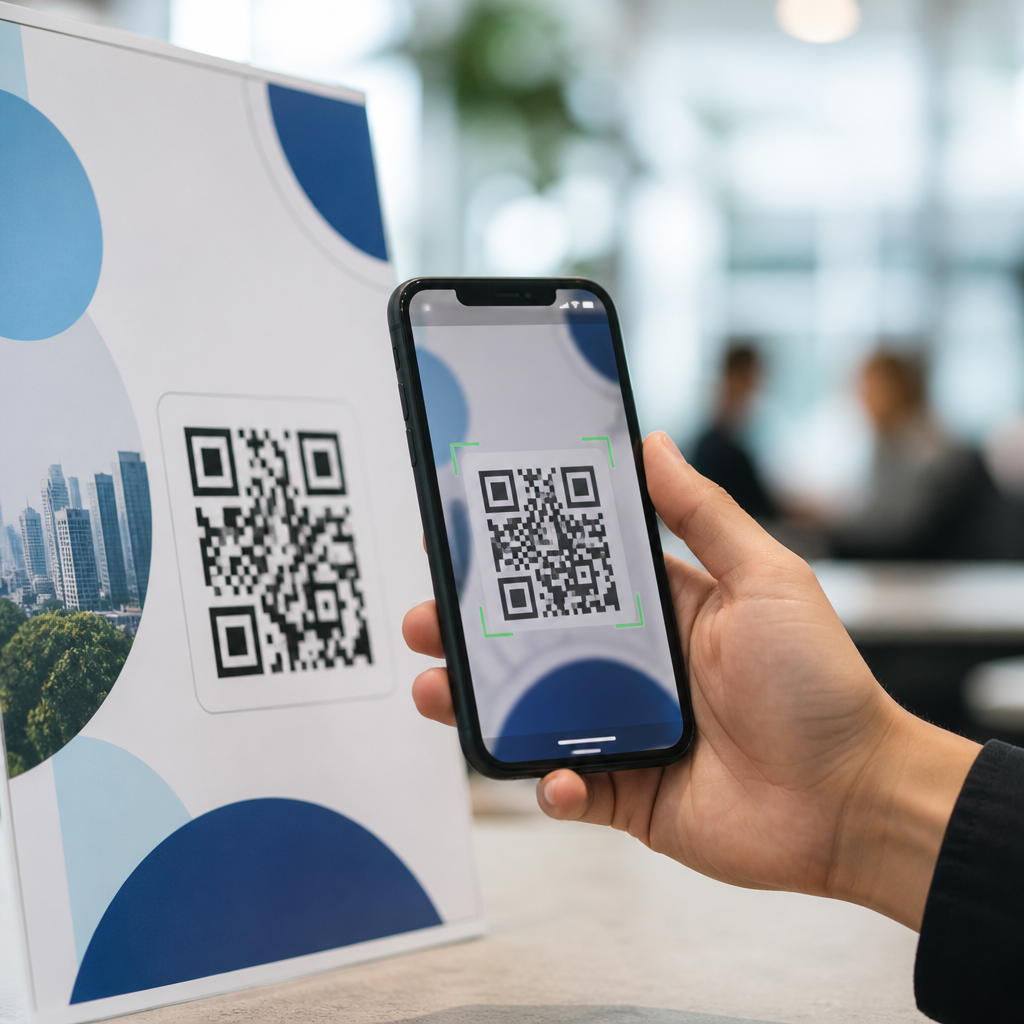
QR code tracking tools for offline campaigns turn a printed square into measurable marketing infrastructure. A QR code is a machine-readable pattern that opens a URL, file, app link, form, payment page, or other digital destination when scanned by a smartphone camera. Tracking adds analytics: scan counts, time of scan, device type, approximate location, unique versus repeat scans, and downstream conversions when connected to web analytics or a customer relationship management system. For teams investing in flyers, direct mail, posters, packaging, point-of-sale displays, trade show booths, or out-of-home advertising, that visibility matters because offline channels have traditionally been hard to attribute. When I have audited campaign performance for retail and event clients, the difference between using a static QR code and a trackable dynamic QR code has often been the difference between guessing and knowing which asset, placement, or offer drove response.
Understanding the terminology is essential before choosing a platform. A static QR code points directly to a final destination and cannot be edited after printing. A dynamic QR code points first to a short redirect URL controlled by a platform, which then sends the user to the destination while logging scan data. That redirect layer enables editing, pausing, A/B routing, retargeting pixels on landing pages, and campaign-level reporting. Some vendors also support UTM parameters, custom domains, bulk generation, API access, role-based permissions, and GDPR-conscious data controls. In practical terms, a restaurant chain may print one dynamic code on table tents, then later switch from a menu PDF to an order page without reprinting. A university may issue separate codes for posters in dorms, athletics venues, and admissions packets, then compare scan behavior by audience segment and geography.
This matters because offline media still drives real attention, yet finance teams increasingly demand digital-grade accountability. According to multiple market studies, smartphone camera use for QR scanning is mainstream across both iOS and Android, reducing the friction that once limited adoption. Brands now use QR codes to bridge physical and digital experiences at every stage of the funnel: awareness through transit ads, consideration through product packaging, conversion through coupons, and retention through support materials. The right QR code tracking platform lets marketers answer practical questions quickly: Which placement generated the most scans? Which creative converted best? Did scans spike during store hours or after an event session? Are repeat scans a sign of engagement or confusion? This hub explains how QR code tracking platforms work, what features matter, how leading tools differ, and how to structure offline campaigns so the resulting data is reliable enough to guide budget decisions.
How QR code tracking platforms work in offline campaigns
A QR code tracking platform works by creating a redirect that records the scan event before sending the user to the intended content. The platform typically stores metadata such as timestamp, operating system, browser, language, and a geolocation estimate based on IP address. It may also distinguish total scans from unique scans, though uniqueness depends on the vendor’s cookie logic or device fingerprinting rules and is never perfect. In my experience, the cleanest implementations pair platform data with analytics on the destination page. That combination lets teams see both top-of-funnel scans and bottom-of-funnel outcomes such as form submissions, purchases, coupon redemptions, or appointment bookings.
For offline campaigns, the strongest setups mirror campaign structure in the platform. Instead of using one code everywhere, create separate dynamic QR codes for each channel, location, or creative variant. A retailer running a spring promotion might assign one code to window clings, one to in-bag inserts, one to newspaper inserts, and one to shelf talkers. All can route to the same landing page while preserving source-level attribution through distinct IDs and UTM tags. This practice is more reliable than asking customers where they saw the campaign, and it produces actionable comparisons. If shelf talkers generate fewer scans but higher average order value, that insight may justify reallocating print spend.
Core features that separate basic generators from serious tracking tools
Many products advertise QR creation, but only a subset qualifies as a true QR code tracking platform for offline marketing. Dynamic editing is the baseline feature because reprinting physical assets is expensive. Beyond that, campaign reporting should show total scans, unique scans, trends over time, geography, device breakdown, and exportable raw data. Bulk generation matters for franchises, field marketing, product lines, and direct mail personalization. API access matters when codes must be provisioned automatically from a CRM, a digital asset management system, or an event registration workflow.
Custom domains are another important capability. A branded short link generally improves trust and can raise scan-through confidence, especially in healthcare, finance, and education where users are cautious about unknown redirects. Error handling also matters. Good platforms support destination fallback rules, expiration dates, password protection for gated assets, and the ability to pause or archive codes. Security and governance are often overlooked until a company has hundreds of active codes. At that point, role-based access, approval workflows, and audit logs become important operational controls, especially for regulated industries.
| Feature | Why it matters offline | Example use case |
|---|---|---|
| Dynamic redirects | Change destination without reprinting materials | Update a poster from event registration to waitlist page |
| Scan analytics | Measures response by time, device, and location | Compare commuter rail poster scans by station |
| UTM support | Ties scans to web analytics and conversions | Attribute brochure scans in GA4 |
| Bulk creation | Scales campaigns across stores or recipients | Generate unique mailer codes for 5,000 households |
| API and webhooks | Automates code creation and reporting | Send scan alerts into Salesforce or HubSpot |
| Custom domain | Improves trust and brand consistency | Use scan.brand.com on packaging |
Leading QR code tracking platforms and where each fits
The market includes broad marketing tools and specialized QR vendors. Bitly is strong when link management, branded short domains, and enterprise governance are priorities; its QR functionality benefits teams already standardizing on Bitly for campaign links. QR Code Generator Pro and similar dedicated platforms are often easier for marketers who need design control, dynamic editing, folders, and straightforward analytics without a broader link operations rollout. Uniqode, formerly Beaconstac, is widely used by larger organizations because it combines dynamic QR management with security options, bulk operations, templates, and enterprise integrations. Flowcode is frequently chosen by consumer-facing brands and creators that care about landing page simplicity and quick deployment. Scanova is another established option for dynamic QR codes, analytics, lead forms, and campaign organization.
No single platform is best for every offline campaign. A restaurant group with dozens of locations may prioritize bulk creation, role permissions, and menu code editing. A manufacturer may care more about durable packaging codes, scan analytics by region, and integration with product support content. An event organizer may need fast code creation, on-site scan monitoring, and post-event exports to the sales team. When evaluating vendors, request clarity on how unique scans are counted, whether geolocation is city-level or broader, how long historical data is retained, what happens if a subscription lapses, and whether the redirect domain can be fully branded. These details affect long-term campaign continuity more than design templates do.
Measurement strategy: from scans to real offline campaign ROI
Scan counts alone are not enough. A successful measurement plan connects QR interactions to business outcomes. Start by defining the primary conversion for each offline asset: coupon redemption, lead submission, product registration, app download, ticket purchase, review request, or store locator use. Then align the QR code platform with GA4, Adobe Analytics, HubSpot, Salesforce, or another reporting system using UTM parameters and destination-page event tracking. This creates a chain from physical placement to digital action. For direct mail, I usually recommend one code per audience segment or offer, plus a dedicated landing page variant, so creative and audience effects can be separated cleanly.
Context also shapes interpretation. A billboard may generate fewer scans than an in-store sign because scanning while driving is impractical, but the billboard could still increase branded search or later website visits. A product package may produce repeat scans because customers revisit setup instructions or care information, which is valuable behavior rather than duplicate noise. Good analysts read QR data alongside redemption systems, point-of-sale data, call center trends, and store traffic where available. The goal is not to force every offline outcome into a scan metric; it is to use QR codes where they create a measurable bridge and to understand their limits with discipline.
Best practices for deployment, testing, and governance
Execution quality determines whether even the best QR code tracking software delivers useful data. Size and contrast matter: on print pieces handled at arm’s length, codes should generally be at least 0.8 by 0.8 inches, while posters and signage need larger sizes based on viewing distance. Quiet zones around the code must be preserved, and glossy surfaces can reduce scannability under bright light. Always test on multiple devices, under realistic lighting, and across both native camera apps and common scanning behaviors. The landing page must load quickly, be mobile optimized, and match the promise of the call to action. “Scan for 20% off” should not land on a generic homepage.
Governance is equally important at scale. Use naming conventions that encode campaign, channel, geography, and launch date. Maintain a central inventory of active codes, owners, destinations, and expiration rules. Avoid deleting codes tied to historical reporting; archive them instead. For regulated sectors, review privacy disclosures, cookie behavior, and retention policies before rollout. Finally, build internal links between this hub and deeper resources on dynamic versus static QR codes, QR code analytics, branded short domains, bulk QR generation, and QR code testing checklists. That structure helps teams choose tools confidently and prevents costly offline mistakes.
QR code tracking tools for offline campaigns give marketers something they have wanted for years: a practical way to measure physical media with digital precision. The strongest platforms do more than generate codes. They provide dynamic redirects, scan analytics, branded domains, bulk management, integrations, and governance features that make offline attribution workable in the real world. When paired with clear campaign structure and destination-page analytics, they reveal which print placements, offers, and audience segments actually move people to act.
The main benefit is better decision-making. Instead of treating flyers, packaging, signage, direct mail, and event materials as unmeasurable brand spend, teams can evaluate them using evidence. That does not mean every offline interaction will be captured, and it does not mean scan counts should replace broader business judgment. It means QR code tracking platforms create a reliable signal where none existed before. For organizations building out their QR Code Tools & Software stack, this hub should serve as the starting point for selecting a platform, defining measurement rules, and connecting offline campaigns to revenue outcomes.
If you are planning new print or in-person campaigns, audit your current QR usage now. Identify where static codes should become dynamic, where campaign-specific tracking is missing, and which platform features will matter most six months from now, not just at launch. Then build a pilot with clear conversions, disciplined naming, and tested landing pages. The data you collect from that first structured rollout will improve every offline campaign that follows.
Frequently Asked Questions
What are QR code tracking tools, and how do they help measure offline campaign performance?
QR code tracking tools are platforms that let marketers create scannable codes tied to digital destinations while also collecting performance data from every scan. In an offline campaign, that matters because print ads, direct mail pieces, posters, packaging, event signage, brochures, and in-store displays do not automatically provide the same visibility as digital ads. By using a trackable QR code, a business can turn a static printed asset into something measurable.
When someone scans the code with a smartphone camera, the tracking system can log details such as total scans, time and date of scan, device type, operating system, and approximate geographic location. Many tools can also distinguish between unique scans and repeat scans, which helps marketers understand whether the campaign is reaching new people or prompting continued engagement from the same audience. More advanced setups can connect QR code activity to web analytics platforms or customer relationship management systems, making it possible to follow the customer journey beyond the scan itself.
That means teams are no longer limited to estimating whether a print placement “probably worked.” They can compare response rates by channel, location, creative version, offer, or distribution method. For example, a retailer might use one QR code on in-store signage, another on a mailed coupon, and another on event materials to see which offline touchpoint drives the most traffic, leads, or purchases. In practical terms, QR code tracking tools help marketers prove campaign value, optimize budget allocation, and make offline marketing more accountable.
What metrics should marketers pay closest attention to when using QR codes in offline campaigns?
The most useful metrics depend on the campaign goal, but several data points consistently matter. Total scan volume is the most basic measure, showing how much raw engagement a QR code generated. Unique scans are often more valuable because they indicate how many individual users interacted with the campaign, rather than how many total times the code was scanned. Repeat scans can also be informative, especially if the campaign promotes recurring behavior such as revisiting a menu, reordering a product, or returning to a payment or registration page.
Time-based metrics are also important. Looking at scans by day of week, hour, or campaign period can reveal when audiences are most responsive. If a code on transit advertising gets most scans during commuting hours, or a restaurant menu code spikes at lunch and dinner, that pattern can inform scheduling and creative decisions. Device and operating system data can help teams verify that the landing experience performs well across the platforms real users actually use.
Approximate location is especially helpful in offline marketing because it connects response to physical placement. A brand running codes across multiple stores, neighborhoods, or event venues can compare which locations drive stronger engagement. Beyond scan-level data, marketers should focus on downstream metrics such as landing page visits, form completions, purchases, booked appointments, app downloads, or coupon redemptions. A QR code that gets many scans but few conversions may indicate a mismatch between the printed call to action and the landing page experience.
Ultimately, the most meaningful metric is not just the scan; it is the business outcome tied to the scan. Strong QR code tracking tools make that possible by integrating with analytics and CRM systems so marketers can connect offline engagement to pipeline, revenue, and customer behavior.
How can businesses connect QR code scans to conversions, leads, and revenue?
Connecting QR code scans to real business outcomes starts with the destination URL and the measurement setup behind it. A common best practice is to use campaign-tagged links so visits from a specific QR code can be identified inside web analytics platforms. This allows marketers to see what users do after they land on the page, including how long they stay, what pages they view, whether they submit a form, and whether they complete a purchase or another target action.
For lead generation campaigns, the QR code might direct users to a landing page with a form for consultation requests, newsletter sign-ups, event registration, or gated content. When that form is connected to a customer relationship management system, each lead can be attributed back to the QR code source. That attribution becomes even more valuable when the CRM tracks follow-up activity, deal stages, and closed revenue. Instead of simply reporting “500 scans,” a team can report “500 scans, 80 leads, 12 opportunities, and 4 closed deals.”
For ecommerce or promotional campaigns, codes can point to product pages, discount offers, or time-sensitive promotions. Marketers can track completed orders, average order value, revenue per scan, and coupon redemption rates. In physical locations, businesses sometimes use dedicated QR-linked offer codes, custom checkout pages, or location-specific landing pages to make attribution cleaner. Even in environments where immediate purchase is not the goal, actions such as appointment bookings, phone calls, map clicks, app installs, or payment completions can all serve as conversion events.
The key is consistency. Each offline placement should have its own trackable code or at least its own tagged destination so performance can be separated accurately. Without that level of structure, scan data may be visible, but conversion insight will remain limited. Done well, QR code tracking turns offline campaigns from a top-of-funnel mystery into a measurable contributor to lead generation and revenue.
What are the best practices for creating effective and trackable QR codes for print, signage, and direct mail?
Effective QR codes balance technical reliability, user experience, and measurement discipline. The first priority is using a high-quality, scannable code that works under real-world conditions. That means choosing an appropriate size for the viewing distance, maintaining strong contrast between the code and the background, and leaving enough quiet space around the code so smartphone cameras can detect it easily. A code that is too small on a poster, distorted in print, or placed on a visually cluttered background will reduce scan rates no matter how strong the offer is.
The second priority is directing users to a mobile-friendly destination. Since most scans happen on smartphones, the landing page should load quickly, display clearly on smaller screens, and guide the user toward one obvious next step. If the destination is slow, confusing, or not optimized for mobile use, the campaign will lose value after the initial scan. Strong campaigns also include a clear call to action near the code, such as “Scan to claim your offer,” “Scan to view pricing,” or “Scan to register.” People are far more likely to scan when they understand exactly what they will get.
From a tracking standpoint, it is smart to use dynamic QR codes whenever possible. Dynamic codes allow the destination URL to be updated without reprinting the code, which is especially useful for long-running campaigns, seasonal promotions, and distributed print materials. They also tend to offer better analytics and management controls than static codes. Marketers should also create separate codes for different channels, locations, or creative versions so results can be compared accurately. For example, using one code for direct mail, one for window signage, and one for event handouts makes campaign analysis much more actionable.
Finally, testing is essential. Before launch, teams should scan the code across multiple devices, under different lighting conditions, and from realistic distances. They should confirm that redirects work, analytics are firing, forms submit correctly, and any CRM or ecommerce tracking captures source data as expected. The best QR code campaigns are not just visually appealing; they are operationally reliable and designed for measurement from the beginning.
Are there privacy, accuracy, or implementation limitations marketers should understand before relying on QR code tracking?
Yes. QR code tracking is powerful, but it is not perfect, and marketers should understand both its strengths and its limits. One common limitation involves location data. Most QR code tools provide approximate geographic information based on IP address, which can be useful for broad regional insight but should not be treated as exact physical positioning. Likewise, device and user-level information may be limited by privacy protections, browser settings, operating system restrictions, or analytics platform rules.
Another important consideration is that a scan does not always equal meaningful engagement. Someone may scan out of curiosity and leave quickly, or they may scan multiple times without converting. That is why scan counts should be interpreted alongside on-site behavior and conversion metrics. Offline context also affects performance in ways data cannot fully explain. A QR code’s results may vary based on placement height, lighting, audience intent, print quality, surrounding distractions, or whether users have time to act in the moment.
Privacy and compliance matter as well. If businesses connect QR scans to web analytics, forms, CRM records, or customer profiles, they should be transparent about data collection practices and ensure they comply with applicable privacy regulations and consent requirements. This is especially relevant when scans lead to forms that collect personal information or when campaign data is used for remarketing or follow-up outreach.
Implementation complexity can also be underestimated. To get full value from QR code tracking, teams often need coordination between marketing, web analytics, design, operations, and sometimes sales. URLs need proper tagging, landing pages need optimization, conversion events need validation, and reporting needs a clear attribution framework. In other words, the technology itself is simple to deploy, but the measurement strategy behind it requires planning. Businesses that recognize these limitations upfront are better positioned to use QR code tracking tools realistically, responsibly, and effectively.