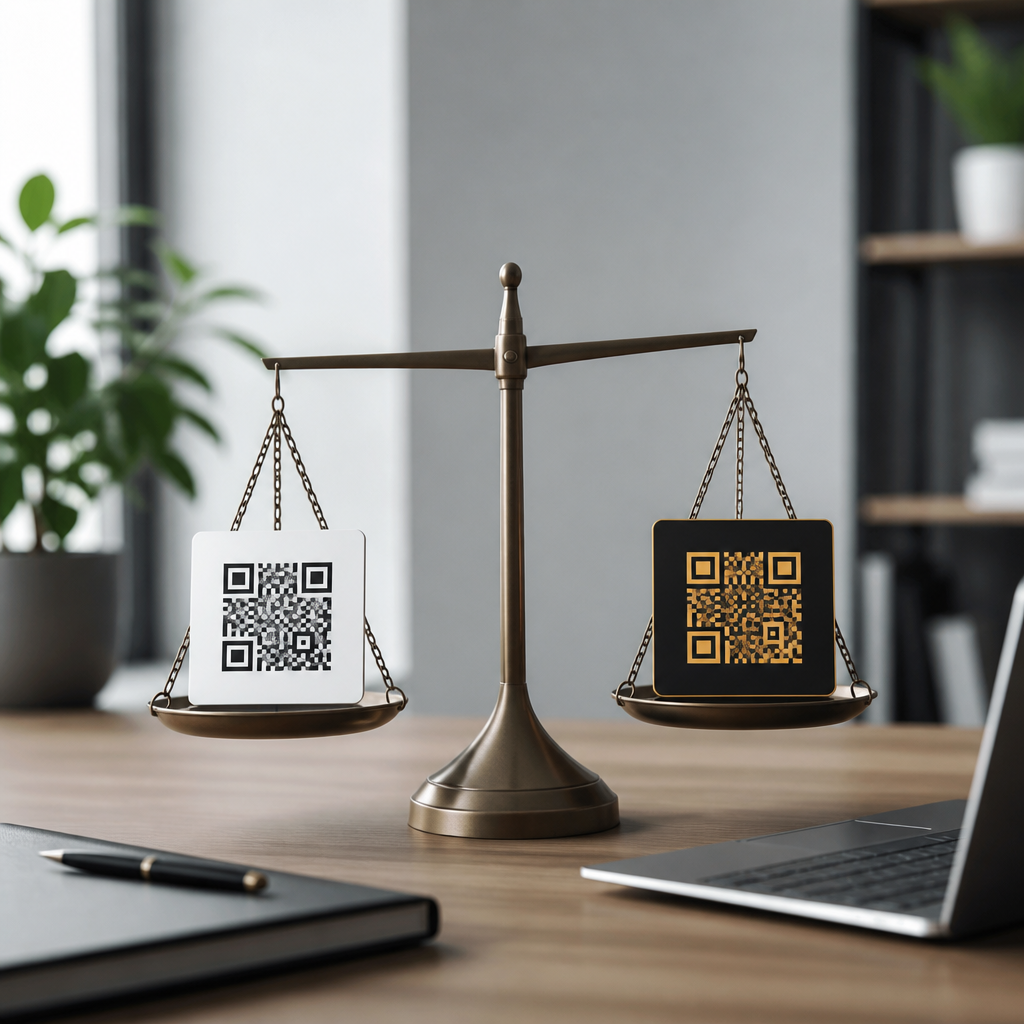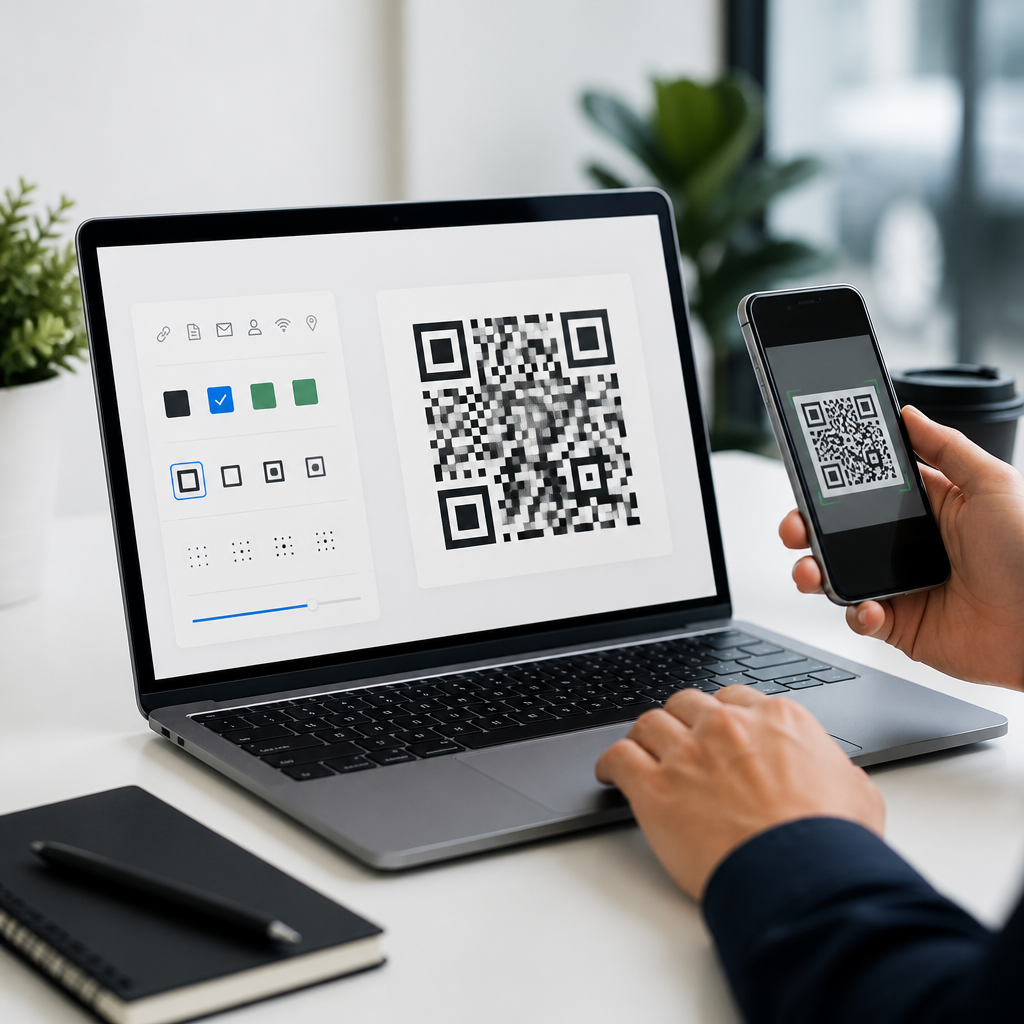

Choosing the best QR code generators in 2026 is no longer a simple matter of picking the first free tool on a search results page. Businesses now use QR codes for product packaging, restaurant menus, event check-in, payments, app downloads, warranty registration, and omnichannel attribution, so the generator behind the code directly affects scan reliability, analytics quality, branding control, and data governance. A QR code generator is the software that creates either static codes, where the destination is permanently encoded, or dynamic codes, where a short redirect URL lets you edit the destination later and track performance. That difference matters because a campaign printed on 100,000 boxes cannot be recalled when a landing page changes. I have managed QR deployments for retail packaging, trade show lead capture, and field service documentation, and the pattern is consistent: the right platform reduces errors, while the wrong one creates expensive reprints, broken links, and fragmented reporting. This hub explains what QR code generators do, which features separate consumer tools from business platforms, and how to evaluate the leading options in 2026.
What a modern QR code generator must do
The baseline feature set has expanded significantly. In 2026, a credible QR code generator should support static and dynamic codes, bulk creation, high-resolution export in SVG, PDF, and PNG, scan analytics, custom domains, password protection when needed, and landing page management for common use cases such as PDF sharing, vCard, Wi-Fi access, app links, forms, and payment pages. It should also generate codes that comply with ISO/IEC 18004 standards so they scan consistently across iPhone, Android, industrial handhelds, and point-of-sale cameras. Error correction options matter as well. Higher correction levels can preserve readability when part of the code is covered by a logo or printed on curved packaging, but they also increase density, which can reduce scanning at small sizes. Good generators balance these settings automatically and preview print safety before download.
Security and governance are now practical buying criteria, not enterprise extras. Marketing teams often think only about design, yet QR code campaigns routinely pass through legal, IT, and operations. If the generator cannot support role-based access, audit trails, SSO, or redirect management, the business may end up with orphaned codes that no one can update after an employee leaves. For regulated sectors, destination control and data retention policies matter just as much as scan volume graphs. The best platforms also support UTM parameter templates, API access, folders, naming conventions, and webhooks or integrations with tools like Google Analytics 4, HubSpot, Zapier, or Salesforce. Those features turn QR codes from isolated assets into measurable parts of a broader digital stack.
Best QR code generators in 2026: leading options
Several platforms stand out in 2026, but they serve different users. QR Code Generator Pro remains a strong all-around choice for marketing teams that need dynamic QR codes, brand controls, and dependable analytics without a heavy implementation burden. Bitly is compelling when the organization already uses branded short links and wants QR creation inside the same link management environment. Uniqode, previously known to many buyers under an older brand identity, is especially strong for larger organizations that need templates, access controls, and campaign administration at scale. Flowcode stays popular with creators, events, and consumer-facing campaigns because its interface is simple and its analytics are easy to act on. Beaconstac continues to appeal to companies that want dynamic code management plus security and enterprise workflows.
Free and low-cost tools still have a place, but they are often best for static, low-risk uses. Canva works well when a designer wants to place a simple code into a poster or flyer quickly, though it is not a full lifecycle QR management platform. Adobe Express offers convenience for lightweight creative work, especially for teams already using Adobe workflows. Shopify’s free generator is practical for merchants producing straightforward links, product pages, or discount destinations. ME-QR and QR.io remain visible options for small businesses, but buyers should inspect export limitations, redirect behavior, branding on landing pages, and whether ongoing subscription costs are required to keep dynamic codes functioning. Many disappointments in this category come from pricing opacity rather than code quality.
| Tool | Best for | Core strength | Main limitation |
|---|---|---|---|
| QR Code Generator Pro | Marketing teams | Balanced design, dynamic control, analytics | Advanced features may require higher tiers |
| Bitly | Link-first organizations | Branded links and QR in one system | Less specialized for complex QR landing pages |
| Uniqode | Mid-market and enterprise | Governance, templates, scale | Overkill for occasional users |
| Flowcode | Events and creators | Ease of use and campaign-friendly reporting | Fewer enterprise admin controls |
| Beaconstac | Security-conscious businesses | Strong management and integrations | Pricing can exceed simple use cases |
How to choose the right generator for your use case
The best QR code generator depends first on permanence. If the destination will never change and no analytics are required, a static code from a reputable free tool may be sufficient. Typical examples include a Wi-Fi login card in a café, a direct phone number for a vehicle decal, or an equipment label linking to a permanent offline PDF stored in a stable repository. Dynamic codes are the default choice for campaigns, packaging, signage, paid media, and anything printed in volume. They let you change the destination after printing, run A/B tests, pause a campaign, add geolocation routing, or fix mistakes without replacing physical materials. In my experience, if more than one department touches a code, dynamic is usually the safer decision.
Next, evaluate the scanning environment. A code printed on corrugated cardboard, exposed to glare under warehouse lighting, or placed on a moving vehicle requires stronger print validation than a code shown on a phone screen. Packaging teams should prioritize vector exports, quiet zone controls, contrast checking, and minimum-size guidance. Event teams should focus on fast scan recognition and analytics latency so they can monitor attendance in near real time. Restaurants care about editability and uptime because menu URLs change often. Manufacturers often need serial-level traceability or bulk generation tied to asset IDs. Healthcare organizations may need HIPAA-adjacent caution even when the QR code itself does not store protected information, because the linked destination and analytics stack can still create compliance exposure.
Features that separate good tools from great ones
Analytics quality is the first major separator. Basic tools count scans, but strong platforms distinguish total scans from unique scans, show time-based trends, approximate location, device type, and sometimes operating system or referrer context. That matters because campaign decisions depend on interpretation. A poster in a transit station may generate many scans but few conversions if the landing page loads slowly on mobile data. With proper tagging and integration into Google Analytics 4, you can trace post-scan behavior such as form submissions, purchases, or app installs. The generator should support structured UTM conventions and not break attribution by using inconsistent redirects. If your team cannot answer what happened after the scan, you are only measuring curiosity, not performance.
Design flexibility is the second separator, but it must be handled carefully. Rounded modules, custom eyes, gradients, and logos can improve brand recognition, yet every visual change increases the need for testing. I have seen beautifully branded codes fail because the designer reduced contrast, crowded the quiet zone, or inserted a large center logo without accounting for error correction limits. The best generators guard against this by validating scanability in the editor and warning when a design becomes risky. They also provide multiple frame styles with clear calls to action such as “Scan to view menu” or “Scan for installation guide,” which routinely improves scan rate because people understand the benefit before opening their camera.
Bulk operations and APIs are the third separator. For a small business, creating ten codes manually is fine. For a retailer printing unique QR codes on shelf talkers across hundreds of stores, manual creation is a liability. Bulk CSV import, naming rules, campaign tags, and API endpoints save hours and prevent mismatches. Enterprise teams increasingly expect lifecycle controls too: expiration rules, archived campaigns, custom short domains, redirect ownership, and change histories. These are not glamorous features, but they prevent the common operational failures that surface months after launch.
Common mistakes and practical buying advice
The biggest mistake is choosing solely on price. A free tool can be excellent for static uses, but dynamic platforms are ongoing infrastructure. If a vendor disables redirects when a plan lapses, every printed code in the field can stop working. Read pricing pages carefully for scan caps, user limits, asset limits, export restrictions, and whether dynamic codes remain active on downgrade. A second mistake is storing the final destination directly in a printed campaign code when the landing page is likely to change. A third is skipping physical testing. Always test on older phones, under low light, at intended print size, and at realistic viewing distances.
For most organizations, the best approach in 2026 is simple. Start with your use case, not a feature checklist. Choose a generator that supports dynamic management, vector exports, analytics, branded domains, and access control if the code will be public, printed at scale, or managed by multiple people. Use free tools only when the link is permanent and the business risk is low. Then build a repeatable process for naming, tagging, testing, and ownership. That discipline matters more than any single dashboard feature. If you are building out a broader QR Code Tools & Software stack, use this hub as the starting point, compare the leading generators against your operational needs, and shortlist two platforms for a real-world pilot before committing.
Frequently Asked Questions
What should businesses look for when choosing the best QR code generator in 2026?
The best QR code generator in 2026 should be evaluated as a business tool, not just a code-making utility. Scan reliability comes first. A platform may offer attractive templates and low pricing, but if its codes become difficult to scan after logo placement, color customization, or small-format printing, it creates friction at the exact moment a customer is trying to engage. Strong generators produce high-resolution, error-tolerant QR codes that remain readable across different devices, lighting conditions, print materials, and use cases such as packaging, menus, posters, direct mail, and in-store signage.
Businesses should also compare static and dynamic code capabilities. Static QR codes are fixed after creation, which can be fine for permanent information such as a simple homepage URL. Dynamic QR codes, however, are far more useful for campaigns because they let teams change the destination without reprinting the code. That matters for seasonal promotions, event registration updates, app download routing, inventory changes, payment links, and correcting mistakes after distribution. For many organizations, dynamic functionality is the difference between a disposable code and a scalable channel.
Analytics is another major factor. In 2026, companies expect more than a raw scan count. A high-quality generator should provide useful reporting such as scan volume over time, device type, approximate location, campaign-level performance, and attribution insights that can connect offline touchpoints to digital outcomes. If a company is using QR codes in omnichannel marketing, retail packaging, or field activation, these insights help measure ROI and optimize placement, creative, and timing.
Brand control matters too. The best tools support custom colors, frame text, logos, short URLs, and design options without compromising readability. Just as important, they should make collaboration easy through folders, naming conventions, templates, permissions, and brand governance. For teams operating across regions or product lines, those workflow features save significant time and reduce risk.
Finally, businesses should review security, privacy, and platform ownership carefully. If the vendor hosts dynamic redirects and analytics, then that provider sits in the middle of customer interactions. Companies should understand data retention practices, access controls, uptime expectations, export options, and whether they can migrate codes if they switch platforms later. In short, the best QR code generator is the one that balances scan performance, flexibility, analytics, branding, operational control, and long-term reliability.
What is the difference between static and dynamic QR codes, and which is better?
Static and dynamic QR codes serve different purposes, and understanding the difference is essential when comparing QR code generators. A static QR code contains the final destination or data directly in the code itself. Once it is created, it cannot be changed. If the code points to a URL, phone number, Wi-Fi credential, or text string, that information is permanently embedded. Static codes are usually simple, cost-effective, and useful for long-term content that is unlikely to change.
Dynamic QR codes work differently. Instead of embedding the final destination directly, they typically contain a short redirect URL managed by the QR platform. That means the destination can be updated later without changing the printed code. For businesses, this is a major advantage. A product package printed months in advance can send users to a current promotion, a new landing page, warranty registration, local support content, or region-specific inventory even after the packaging is already in circulation.
Dynamic codes are generally better for marketing, operations, events, and customer experience because they offer flexibility and measurement. If a campaign underperforms, the landing page can be adjusted. If an event check-in page changes, the code still works. If a restaurant updates its menu, the same table tent can remain in place. Dynamic codes also enable analytics, which is one of the biggest reasons businesses choose paid generators. Since the interaction passes through the platform, the software can track scans, timing, device details, and other performance metrics.
That said, static QR codes still have a place. They can be a good choice for very simple, permanent uses where no edits or tracking are needed, such as linking to a stable informational page or encoding contact details. They also reduce reliance on a third-party redirect service. However, their biggest weakness is inflexibility. If a URL changes, packaging is updated, or a campaign evolves, the entire code must be regenerated and redistributed.
For most business use cases in 2026, dynamic QR codes are the better option because they support change, reporting, and campaign management. Static codes are best viewed as a narrower solution for fixed content. The right QR code generator should support both, while making the tradeoffs between them clear.
Are free QR code generators good enough for business use?
Free QR code generators can be good enough for limited or low-risk use cases, but they are often not the best option for serious business deployment. If a company only needs a one-time static code that links to a stable page and does not require analytics, edits, team access, or branding controls, a free tool may work perfectly well. For example, a basic internal flyer or temporary informational handout may not justify a paid subscription.
The problem is that many businesses start with what seems like a simple QR need and quickly run into limitations. Free tools often restrict dynamic functionality, remove access to scan analytics, limit design options, or place important features behind a paywall after the code has already been distributed. In some cases, users create codes without fully understanding whether they are permanent, editable, or dependent on a third-party service. That can create expensive issues later if the destination needs to change or campaign performance needs to be measured.
Reliability and governance are also important concerns. A free generator may not offer service guarantees, account-level access control, organized asset management, or a clear support path if something goes wrong. For a personal project, that may be acceptable. For product packaging, retail displays, payment flows, warranty registration, or event access, it is much riskier. If a QR code becomes unreadable, redirects stop working, or the account is no longer maintained, customer experience and revenue can be directly affected.
Another issue is branding. Businesses increasingly want QR codes to align with packaging, store design, campaign creative, and digital identity. Free tools may support only basic customization, while premium platforms are more likely to offer templates, logo insertion, brand-safe color controls, and production-ready export formats. These features matter when QR codes are part of customer-facing materials rather than an afterthought.
In practical terms, free QR code generators are best for simple, noncritical applications. Businesses that depend on flexibility, analytics, professional design, collaboration, or compliance should usually invest in a reputable paid solution. The cost is typically small compared with the potential downside of using a tool that cannot scale with real-world business needs.
Why do analytics and tracking matter so much in modern QR code campaigns?
Analytics matter because QR codes are no longer just bridges to a website; they are measurable interaction points across physical and digital channels. When a customer scans a code on packaging, signage, a menu, direct mail piece, event badge, or retail shelf display, that action represents intent. Without analytics, a business knows the code exists but learns very little about whether it is performing well, where engagement is happening, or how offline materials contribute to digital conversions.
Modern QR code generators can provide insights such as total scans, unique scans, time-based trends, device types, approximate geolocation, and campaign-level comparisons. These metrics help marketers and operations teams answer practical questions. Which package design drives the most engagement? Which store locations generate the strongest response? Are more users scanning from printed brochures or from window decals? Is a code placed too low on the page, too small on the label, or attached to a weak call to action? Good data turns QR codes from static assets into optimization opportunities.
Analytics are also valuable for attribution. One of the biggest strengths of QR codes is their ability to connect offline experiences with online behavior. A business can place distinct dynamic codes on product inserts, event booths, in-store displays, outdoor ads, and shipping boxes, then compare which channels generate visits, registrations, purchases, or downloads. This is particularly important in omnichannel environments where teams need clearer evidence that physical marketing contributes to measurable business outcomes.
Beyond marketing, analytics support operational improvement. Restaurants can identify peak menu scan times. Event organizers can monitor check-in flow. Manufacturers can measure warranty registration completion. Retailers can test whether QR codes increase engagement with product education or loyalty offers. These are not vanity metrics; they influence staffing, messaging, content strategy, and customer journey design.
In 2026, businesses should expect QR analytics to be accurate, accessible, and actionable. The strongest generators make it easy to segment campaigns, export data, and integrate with broader reporting systems. Tracking matters because when a QR code is treated as a measurable channel, it becomes easier to improve performance, justify investment, and build smarter customer experiences over time.
Can branded QR codes with logos and custom colors still scan reliably?
Yes, branded QR codes can scan reliably, but only when they are designed within technical best practices and created with a quality generator. Customization has become a standard business expectation because QR codes often appear on premium packaging, menu systems, event materials, storefront graphics, and