
The future of QR codes with AI and automation is no longer a speculative trend; it is already reshaping how businesses connect physical touchpoints to digital systems. A QR code is a scannable matrix barcode that stores a URL, file, payment request, contact record, or action trigger. In its earliest commercial uses, the value was speed: scan a code, open a page, complete a task. Today the value is intelligence. When AI models classify user intent, personalize destinations, and detect fraud, and when automation platforms route scan events into customer journeys, QR codes become operational infrastructure rather than simple links.
This shift matters because the gap between offline behavior and digital data has always limited marketing, service, and operations teams. I have seen brands spend heavily on packaging, signage, direct mail, and in-store displays but struggle to measure what happened after a customer looked at them. Dynamic QR systems changed that by allowing redirects, analytics, and content updates without reprinting assets. AI and automation push the model further: the scan can now trigger segmentation, predictive recommendations, inventory workflows, support routing, and real-time compliance checks. For any organization building advanced QR code strategies, understanding this convergence is essential because it improves attribution, efficiency, relevance, and customer experience at the same time.
How AI expands what QR codes can do
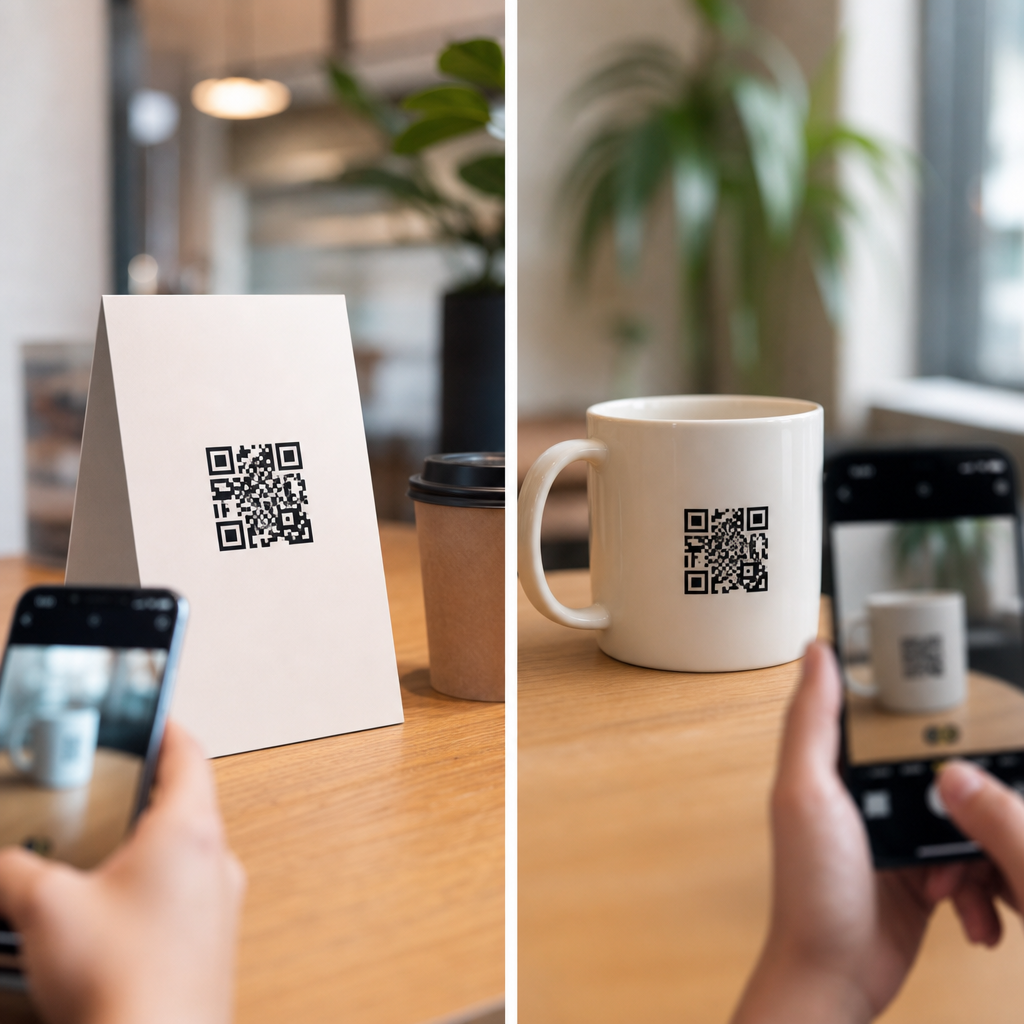
AI improves QR code performance in three practical ways: interpretation, personalization, and protection. Interpretation means understanding the context around the scan. A modern QR platform can combine timestamp, device type, operating system, rough location, language, campaign source, and prior engagement history. AI models use those inputs to predict what the user most likely wants next. A restaurant chain, for example, can show breakfast offers at 8 a.m., lunch ordering at noon, and feedback prompts after 2 p.m. from the same printed code. The code remains static on the table tent, but the experience changes intelligently.
Personalization is where results become measurable. In retail, a QR code on product packaging can open different landing experiences for first-time buyers, loyalty members, and wholesale customers. Recommendation engines can present setup videos, cross-sell bundles, replenishment reminders, or user guides based on known purchase behavior. In events, badges with QR codes can send attendees to customized schedules, networking suggestions, and session recaps. This is not guesswork. Tools like Salesforce, HubSpot, Segment, and Adobe Experience Platform already support audience data orchestration, and QR scan events can feed those profiles in near real time.
Protection is equally important. As QR adoption increases, so do risks such as code tampering, destination spoofing, and malicious redirects. AI-based security systems can flag unusual redirect patterns, detect destination changes outside approved domains, and identify sudden scan spikes that suggest fraud or bot traffic. Computer vision can also verify whether a printed code on packaging or posters matches the expected design template, helping detect counterfeit materials in distribution channels. For regulated sectors such as healthcare and financial services, these controls are not optional. They are part of responsible deployment.
Automation turns QR scans into business workflows
Automation is what converts a scan from an isolated event into a process. In advanced deployments, a QR code is not just a doorway to a page; it is a trigger inside a workflow engine. Platforms such as Zapier, Make, Microsoft Power Automate, Workato, and native CRM automations can listen for scan events and launch actions immediately. That action might be sending a confirmation email, creating a support ticket, updating a lead score, notifying a field technician, or syncing a fulfillment request into an ERP system.
I have seen the biggest gains where teams map the scan to a clear operational outcome before designing the campaign. Consider a manufacturer placing QR codes on equipment. When a technician scans the code, the system can identify the asset, pull the maintenance log, check warranty status, and offer a guided troubleshooting flow. If the issue is unresolved, automation creates a service case in ServiceNow or Salesforce, assigns the nearest qualified technician, and logs the incident against the asset record. The QR code replaces phone trees, manual data entry, and delayed escalation.
In ecommerce, the same principle applies after the sale. A QR code inserted into packaging can trigger onboarding sequences, registration reminders, review requests, reorder flows, and return instructions. If the customer scans after delivery, automation can branch based on order status, item type, and customer tier. For subscription brands, a scan can launch a replenishment recommendation exactly when usage data suggests the customer is running low. The operational advantage is consistency. Every scan follows a governed path, reducing friction and lowering dependence on manual intervention.
High-value use cases across industries
Several sectors are already proving the value of combining QR codes, AI, and automation. In retail, smart shelf labels and packaging codes can connect in-store browsing to online content, reviews, coupons, and availability checks. AI then uses scan behavior to refine product recommendations and forecast demand by region. In hospitality, hotels use room QR codes for digital concierge services, amenity requests, late checkout, and service recovery. Automation routes requests to housekeeping or guest services without forcing staff to monitor multiple inboxes.
Healthcare provides another strong example. A patient can scan a QR code on discharge paperwork to access medication instructions, translated education materials, follow-up scheduling, and symptom triage. AI chat interfaces can answer routine questions in plain language, while automation escalates higher-risk responses to clinical staff. This works best when paired with strict governance, approved content libraries, and HIPAA-aware data handling. The same approach supports medication authentication and device tracking in pharmaceutical supply chains, where scan histories help identify anomalies.
In B2B marketing, QR codes on trade show booths, catalogs, samples, and direct mail often outperform generic vanity URLs because they reduce friction. When connected to marketing automation, scans can score intent based on asset type, dwell time, and repeat visits. A prospect who scans a product comparison sheet twice and returns to pricing content should not receive the same follow-up as someone who scanned a general brochure once. AI helps rank those signals, while automation ensures sales teams respond quickly with context rather than guesswork.
| Use case | AI role | Automation outcome |
|---|---|---|
| Product packaging | Personalized content and replenishment prediction | Onboarding, upsell, reorder reminders |
| Field service assets | Issue classification and guided troubleshooting | Ticket creation, technician dispatch, log updates |
| Healthcare materials | Language adaptation and symptom triage | Appointment scheduling and staff escalation |
| Events and trade shows | Lead qualification and content recommendations | CRM sync, lead scoring, sales alerts |
Building a future-ready QR strategy
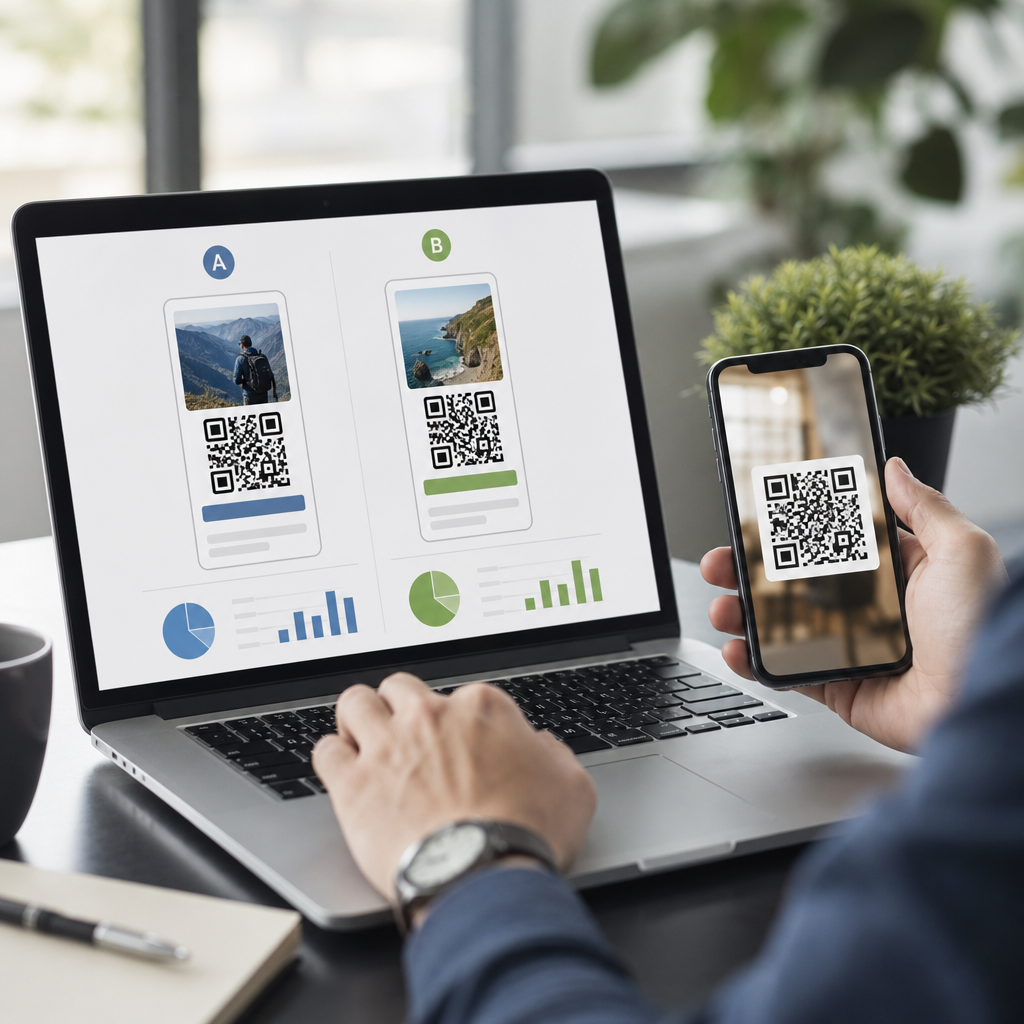
A future-ready QR strategy starts with infrastructure, not artwork. Teams need dynamic QR code management, reliable analytics, governance over destinations, and integration with core systems. Static codes still have a place for fixed information, but they are limiting for campaigns, support experiences, and lifecycle engagement. Dynamic codes allow redirects to change without reprinting, enable A/B testing, and preserve asset continuity across channels. If you are building an advanced QR code strategy, this hub should connect naturally to deeper work on dynamic QR codes, QR code analytics, QR code security, and omnichannel attribution.
Data architecture is the next requirement. Decide what a scan event means in your organization. Is it anonymous engagement, a known customer interaction, a service trigger, or a payment initiation? Define naming conventions, campaign parameters, consent handling, retention periods, and downstream destinations. Without that discipline, AI models receive noisy signals and automations produce inconsistent outcomes. I recommend establishing a canonical event schema and routing scans through a customer data layer or event pipeline before passing them into marketing, support, or operations systems.
Content design also changes in an AI-enabled environment. Landing pages should be modular so that rules engines and predictive models can assemble the right experience. That means separating headline blocks, product tiles, FAQs, help content, language variants, and calls to action into components. It also means measuring more than raw scan count. Track unique scans, repeat scans, time-to-action, conversion rate by context, assisted revenue, service deflection, and completion rate across workflow steps. The best programs treat the QR code as the start of a journey, not the metric itself.
Challenges, limitations, and what comes next
The future of QR codes with AI and automation is promising, but there are clear limitations. Personalization depends on data quality and lawful data use. Automation can amplify mistakes if workflows are poorly designed. AI recommendations may drift, overfit, or create opaque decision paths if teams do not monitor performance. Accessibility still matters: destination pages must load fast, display clearly on mobile devices, and support screen readers and language variation. A QR code on a poster is useless if the page behind it is cluttered, slow, or impossible to complete on a phone.
There are also adoption realities. Some audiences remain cautious about scanning unknown codes, especially after increased awareness of phishing. Trust signals help: branded short domains, clear scan instructions, visible destination previews where possible, and secure HTTPS destinations. Printing standards matter too. Low contrast, poor quiet zones, reflective surfaces, and undersized codes still break campaigns that look good in mockups. ISO/IEC 18004 remains the relevant technical reference for QR code symbology, and following established error-correction and sizing practices is still foundational even in sophisticated deployments.
Looking ahead, expect QR codes to become more conversational and more embedded in connected systems. AI assistants will increasingly summarize destination content after a scan, answer follow-up questions, and complete tasks without forcing users through long navigation paths. Computer vision may validate package authenticity or installation steps directly from a smartphone camera. Automation platforms will tie scans into digital twins, warehouse systems, and contextual commerce flows. The key takeaway is simple: organizations that treat QR codes as intelligent, automated entry points will extract far more value than those using them as static shortcuts. Audit your current QR estate, identify one workflow with measurable friction, and modernize it first.
Frequently Asked Questions
1. How are AI and automation changing the role of QR codes?
AI and automation are transforming QR codes from simple link-openers into intelligent entry points that can react to context, user behavior, and business workflows in real time. Traditionally, a QR code performed one basic function: it sent a scanner to a fixed destination such as a webpage, menu, app download, or payment screen. That model is still useful, but the future of QR codes is far more dynamic. With AI involved, the destination or action behind a QR code can change based on location, device type, time of day, purchase history, language preference, or inferred user intent. Instead of every person seeing the same generic experience, businesses can deliver personalized content, targeted offers, adaptive support, or smart onboarding sequences immediately after a scan.
Automation expands that value even further by connecting QR scans to backend systems without manual intervention. A single scan can trigger CRM updates, customer support workflows, inventory actions, appointment confirmations, lead routing, or payment verification. In manufacturing and logistics, automated QR systems can support product tracking, quality control, and maintenance reporting. In retail and hospitality, they can power loyalty enrollment, digital menus, contactless ordering, and post-visit engagement. As AI improves prediction, classification, and anomaly detection, QR codes become more useful not just for access, but for decision-making. That shift is what makes them increasingly important in the broader ecosystem of smart commerce, connected operations, and omnichannel customer experience.
2. What practical business benefits come from using AI-powered QR codes?
AI-powered QR codes offer practical benefits across marketing, operations, customer service, and security. One of the biggest advantages is personalization at scale. When AI helps determine what a user is most likely trying to do after scanning, businesses can reduce friction and increase conversions. For example, a restaurant may send first-time visitors to a menu, returning customers to a loyalty offer, and delivery drivers to a logistics portal, all from the same QR code framework. In marketing, this means more relevant landing pages, better attribution, improved campaign testing, and stronger engagement because users reach content that fits their needs instead of a one-size-fits-all page.
Another major benefit is automation efficiency. QR codes can act as physical-to-digital triggers that feed data directly into business systems. A scan on product packaging can register a warranty, request support, verify authenticity, or collect customer insights. A scan in a warehouse can initiate stock updates or maintenance logs. AI strengthens these workflows by identifying patterns, predicting next actions, and flagging exceptions. Businesses also gain richer analytics. Instead of measuring scans alone, they can analyze scan intent, session quality, downstream actions, and user segments. This leads to better operational decisions and smarter campaign optimization. Over time, AI-powered QR deployments can lower manual workload, improve response times, increase trust, and create more measurable outcomes from every physical interaction point.
3. Can AI make QR code experiences more personalized without becoming intrusive?
Yes, and this is one of the most important areas where businesses need balance. AI can make QR code experiences significantly more relevant without crossing into intrusive territory if it is deployed thoughtfully. Personalization does not have to mean collecting excessive personal data. In many cases, useful adaptation can happen through low-sensitivity signals such as device type, browser language, general location, referral source, time of scan, or whether the user is new or returning. These signals can help determine the best next step after the scan, such as showing localized content, simplifying navigation, offering region-specific support, or presenting the most likely action based on context.
The key is transparency, consent, and proportionality. Businesses should make it clear when data is being used to improve the experience, and they should avoid personalization that feels manipulative or unnecessarily invasive. AI should be used to reduce friction, not to over-profile people. For example, a QR code on product packaging might offer setup instructions first, then suggest related resources only after the customer engages. A code in a store might open a product comparison page rather than immediately pushing a hard sell. The most effective implementations focus on usefulness, speed, and clarity. When customers feel that scanning a QR code leads to a smoother and more relevant experience, personalization becomes a service rather than a surveillance concern. That is the standard successful brands will need to meet as adoption grows.
4. What role will AI play in QR code security and fraud detection?
AI is expected to play a central role in strengthening QR code security, especially as malicious redirection, phishing, payment scams, and counterfeit labeling become more sophisticated. QR codes are convenient, but that convenience can also make users vulnerable if they scan codes without knowing where they lead. AI can help detect unusual patterns before harm occurs. For example, machine learning systems can analyze destination URLs, redirect behavior, hosting reputation, scan anomalies, and historical threat patterns to identify suspicious activity. That enables businesses and platforms to block or flag potentially dangerous QR interactions before users reach a fraudulent page.
Beyond threat detection, AI can support authenticity and trust verification. In supply chains and retail, AI-enhanced QR systems can help confirm whether a code matches expected product metadata, distribution history, or scan geography. If a code assigned to one region suddenly appears in another at unusual scale, the system can trigger an alert. In payments, AI can detect behavior that suggests spoofed payment requests or manipulated checkout flows. Automation is also important here, because rapid response matters. A secure QR ecosystem depends on the ability to identify threats, disable compromised destinations, notify stakeholders, and preserve audit trails quickly. Going forward, the safest QR strategies will combine AI-based detection, dynamic code management, secure redirects, user education, and strong governance. Security will not be a side feature of QR technology; it will be one of the main reasons intelligent QR infrastructure becomes essential.
5. What does the future of QR codes look like as AI and automation continue to evolve?
The future of QR codes will likely be defined by adaptive experiences, deeper system integration, and far more intelligent interactions between physical environments and digital services. QR codes are not disappearing; they are becoming infrastructure. As AI models improve, a scan will increasingly function less like opening a static link and more like initiating a smart session. That session could recognize context, identify probable intent, select the right content path, verify trust signals, and trigger automated actions across multiple systems. In practical terms, that means packaging that knows how to support the buyer after purchase, equipment labels that connect technicians to the exact maintenance workflow, event signage that guides attendees differently based on role, and storefront displays that adjust offers or information in real time.
We can also expect QR codes to become more embedded in enterprise automation and analytics. They will serve as lightweight interfaces for digital twins, IoT systems, service records, compliance checkpoints, and customer journey orchestration. Instead of thinking of a QR code as a graphic, businesses will increasingly treat it as a programmable gateway. That will make governance, data quality, security, and integration strategy more important than ever. The organizations that benefit most will be those that design QR experiences intentionally: useful for the user, measurable for the business, secure by default, and connected to real operational outcomes. In that sense, the future of QR codes with AI and automation is not just about smarter scans. It is about building responsive, intelligent bridges between the physical world and the digital systems that power modern business.