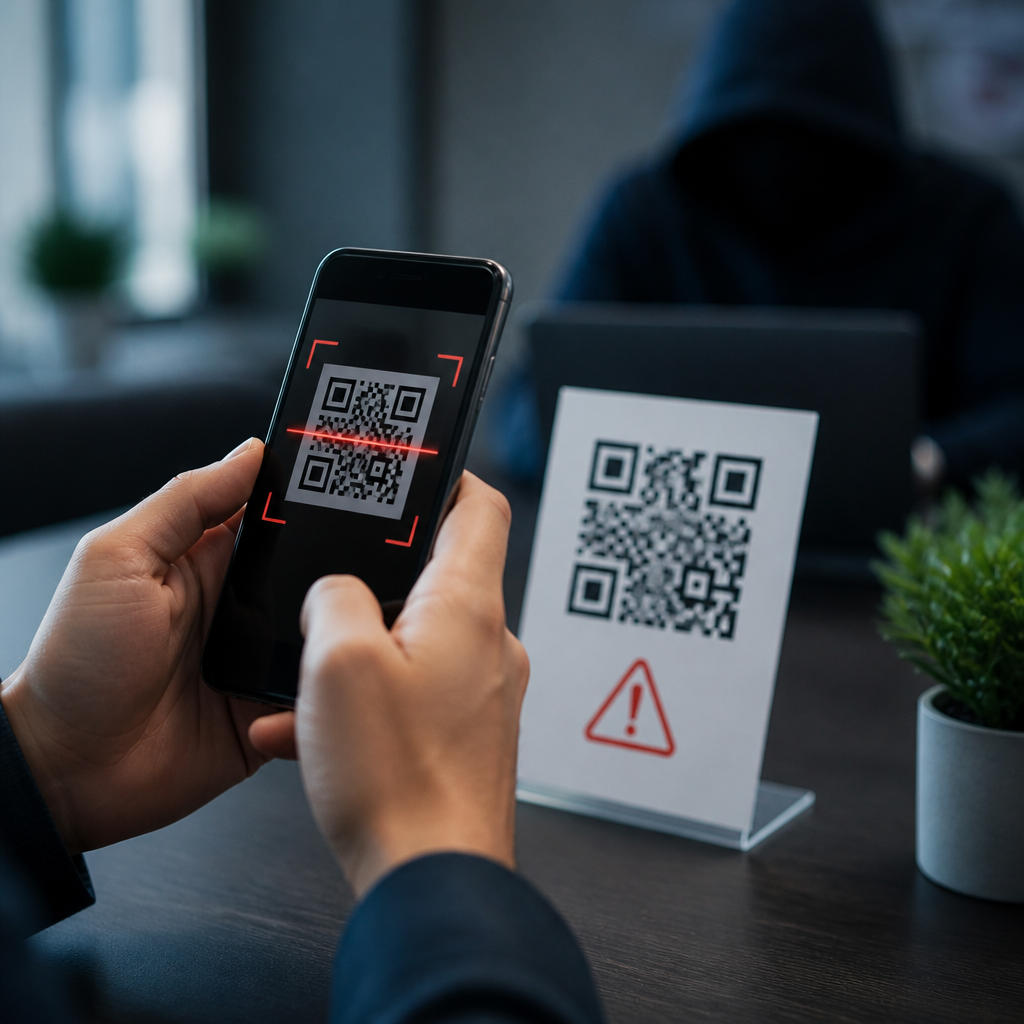
QR codes are convenient, cheap to deploy, and now embedded in everything from restaurant menus to utility bills, but the question “Are QR codes safe?” deserves a careful answer. A QR code, or Quick Response code, is a two-dimensional barcode that stores data such as a website address, payment request, contact card, Wi-Fi credential, or app action. The code itself is not inherently dangerous; the risk comes from where it leads, what action it triggers, and whether the person scanning it can verify the source. That distinction matters because many people assume a printed code is trustworthy, even though a malicious sticker placed over a legitimate code can redirect a scan in seconds. I have helped organizations review QR deployments for marketing, payments, visitor check-in, and product packaging, and the same pattern appears repeatedly: convenience reduces scrutiny. Attackers exploit that habit.
Understanding QR code safety matters because usage has expanded faster than user education. Smartphone cameras now scan codes natively, mobile wallets support code-based payments, and many businesses replaced paper forms with scan-to-open workflows during and after the pandemic. Consumers scan codes in public spaces, on emails, invoices, posters, parking meters, and shared devices. Each context introduces different risks, including phishing, payment diversion, malware delivery, unwanted app prompts, data harvesting, and simple fraud. For businesses, unsafe QR implementation can also create privacy and compliance problems if scans collect personal data without proper notice, retention controls, or consent. A safe QR strategy therefore combines technical controls, visible trust signals, staff procedures, and user awareness. This article explains how QR codes work, when they are safe, where the real threats appear, and what practical steps individuals and organizations should take before scanning, printing, tracking, or distributing them.
How QR codes work and why they can be safe
A QR code is just a machine-readable container. It can encode plain text, a Uniform Resource Locator, a telephone number, a payment string, a calendar event, a vCard, or other structured data. When a phone camera detects the pattern, the operating system decodes the content and presents an action, usually opening a link. That means the QR image is not “executing” code by itself in the way a software file might. In most normal uses, QR codes are safe because they simply point users to legitimate destinations such as a restaurant menu, event ticket, support page, or payment portal. If the destination is trustworthy and the user can verify it, the scan is low risk.
Safety improves when QR codes are deployed with good hygiene. Static codes that lead to clearly branded domains are easier to validate than opaque shortened links. Printed codes placed in controlled environments, such as inside product packaging or on authenticated account statements, carry less risk than codes posted in public where tampering is easy. Modern mobile operating systems also help by previewing the destination URL before opening it. In practice, the safest QR experience mirrors safe browsing: recognizable domain, secure connection, expected context, and no pressure to act immediately.
The main QR code security risks
The most common threat is QR phishing, often called quishing. Instead of emailing a suspicious link, an attacker places the link inside a code and relies on the user’s camera to bypass normal skepticism. I have seen fake parking payment stickers placed over municipal meter codes, sending drivers to lookalike checkout pages that stole card details. Another common scenario involves codes on emails or PDFs that claim to route users to payroll, cloud storage, or multi-factor authentication updates. Because people cannot read the destination directly from the image, they often scan first and inspect later, which reverses a basic security habit.
Payment fraud is another major concern. Code-based payments can be secure when they use trusted wallet apps, transaction signing, merchant verification, and protected payment rails. They become risky when users scan codes from posters, peer-to-peer messages, or printed invoices without confirming the payee. Criminals may swap a merchant’s payment code, causing funds to go to a different account. Privacy risk also matters. A marketing QR code can collect device data, location approximations, time stamps, campaign parameters, and form submissions. If the landing page lacks a clear privacy notice or over-collects information, the scan may create compliance exposure as well as reputational damage.
How to tell whether a QR code is safe before you scan
People often ask for a simple rule. The best answer is this: trust the source, inspect the destination, and match the action to the context. Before scanning, look for signs of tampering. A sticker placed on top of another sticker, a poorly aligned label, a code in an unexpected location, or a request for urgent payment should raise suspicion. After scanning, read the preview carefully. The domain name matters more than the page design because attackers copy branding easily. “Pay-cityparking.com” is not the same as a known municipal domain. If a code on a restaurant table requests a banking login, that mismatch alone is enough to stop.
For organizations publishing this hub topic, the clearest guidance is operational, not theoretical. Users should know what a legitimate code from your brand looks like, where it will appear, and what domain it will use. Businesses should avoid URL shorteners when possible, because a full branded domain gives the scanner a visible trust signal. If redirection is required for analytics or campaign management, use a branded short domain you control. Landing pages should use HTTPS, display clear branding, and explain why data is being collected before any form asks for personal information.
Safe versus risky QR code scenarios
Context determines most QR risk. The same code technology can support a safe museum audio guide or a fraudulent account reset. The comparison below shows how environment, destination, and expected action change the safety profile.
| Scenario | Why It May Be Safe | Primary Risk | Best Check |
|---|---|---|---|
| Product packaging from a known brand | Controlled print source, expected support or warranty link | Counterfeit packaging | Verify domain matches the brand website |
| Restaurant table menu | Common use case, low-sensitivity action | Tampered sticker leading to phishing page | Inspect for overlays and preview the URL |
| Parking meter payment code | Fast mobile checkout can be legitimate | Payment diversion to attacker account | Use the city app or official domain only |
| Email asking you to scan for login verification | Occasionally used in enterprise workflows | Credential theft, fake single sign-on page | Open the known service directly instead |
| Event badge or conference signage | Useful for schedules and networking | Data harvesting or malicious downloads | Check whether the requested app or form is necessary |
What businesses should do when creating QR codes
If your company uses QR codes, safety starts long before the graphic is printed. First, decide whether the code should be static or dynamic. Static codes point directly to a fixed destination and are simpler, but changing the destination requires reprinting. Dynamic codes route through a managed redirect, which supports analytics, campaign updates, and link replacement. Dynamic systems are powerful, but they also become a control point that must be secured with role-based access, change logging, multifactor authentication, and domain governance. I strongly recommend maintaining an inventory of published codes, their destinations, owners, and review dates. Without an inventory, old codes remain in circulation long after the linked content changes.
Second, harden the landing experience. Use branded domains, valid TLS certificates, minimal redirects, and pages optimized for mobile performance. Avoid forcing app downloads unless essential. If personal data is collected, provide clear notice, lawful basis where required, and retention limits consistent with your privacy program. Third, physically protect public codes. On payment terminals, kiosks, storefront windows, and parking installations, inspect codes regularly for tampering. Some organizations add anti-tamper labels, serial markings, or nearby text instructing users what domain they should see after scanning. These small design choices significantly reduce successful fraud.
Privacy, compliance, and data governance considerations
QR code safety is not only about malware or phishing. It also includes what happens after the scan. Many businesses treat QR campaigns as harmless traffic sources, but the linked pages often trigger analytics tags, cookies, location-based inferences, lead forms, customer relationship management updates, or payment processing. If the QR code connects offline behavior to online identity, the organization may be collecting personal data in ways users do not expect. In regulated sectors such as healthcare, financial services, education, and government, that gap can create legal and contractual problems.
Good governance is straightforward. Publish a clear privacy notice on the landing page, minimize the information requested, and separate marketing consent from operational necessity. Do not encode sensitive personal data directly into a public-facing code. For internal workflows, avoid using QR codes as the only factor for identity or access approval. Security teams should review third-party QR platforms for logging, retention, international data transfers, and administrative safeguards. Marketers should coordinate with legal and security teams before launching large campaigns, especially those involving geolocation, payments, minors, or event attendance records.
Best practices for consumers and teams
For individual users, the safest habit is simple: scan deliberately, not automatically. Use your phone camera’s preview to inspect the destination, and do not proceed if the domain looks unfamiliar, misspelled, or unrelated to the situation. Prefer official apps or manually typed addresses for banking, government services, parking, and high-value payments. Keep your phone operating system updated, because mobile browser and app protections improve regularly. If a scanned page asks for credentials, card details, or a software install you did not expect, stop and verify through a separate channel.
For teams, awareness training should include QR examples, not just email links. Frontline staff should know how to spot replaced stickers, suspicious signage, and unusual customer reports. Incident response plans should cover QR abuse the same way they cover phishing domains: remove fraudulent materials, notify affected users, update official channels, and preserve evidence. The core principle is consistent across every environment. QR codes are safe when the source is authentic, the destination is verified, and the requested action matches the user’s expectation. Review your current QR codes, document who owns them, and make every scan easy to trust.
Frequently Asked Questions
Are QR codes safe to scan?
QR codes themselves are not inherently unsafe. A QR code is simply a machine-readable way to store information such as a website URL, payment link, contact details, Wi-Fi credentials, or an app action. The real safety issue depends on what happens after the scan. If the code sends you to a legitimate website or triggers an expected action, it may be perfectly safe. If it redirects you to a fake login page, a malicious payment request, or a download you did not intend, the risk comes from that destination or action, not from the code pattern itself.
That is why the best way to think about QR code safety is the same way you think about clicking links in emails or text messages. Treat the scan as the start of a decision, not the end of one. Before opening the link, look for a preview of the destination if your phone provides it. Be especially cautious with QR codes posted in public spaces, placed over existing codes, printed on flyers, or attached to parking meters, utility bills, and restaurant tables where tampering can happen. A legitimate-looking code can still lead to a harmful destination, so a moment of verification matters.
What are the biggest risks associated with QR codes?
The most common QR code risks involve phishing, payment fraud, malware delivery, and data collection through deceptive websites. A phishing QR code can send you to a page that imitates your bank, employer, delivery service, or favorite retailer and then asks you to log in, confirm a payment, or provide personal information. Payment scams are also common because QR codes are widely used for instant transfers and checkout flows. If a criminal replaces a merchant’s payment code with their own, your money may go to the wrong recipient without you realizing it.
Another risk is that some QR codes can trigger actions beyond opening a simple webpage. Depending on the app or device, a scan might start a phone call, draft a text message, add a calendar event, connect to Wi-Fi, open an app store page, or launch a payment app. None of these actions are automatically malicious, but they can be abused if you are rushed or not paying attention. In short, the major danger is not the square code itself. It is social engineering: using convenience and speed to get you to trust something before you verify it.
How can I tell whether a QR code is legitimate before scanning it?
You often cannot fully verify a QR code just by looking at the pattern, but you can evaluate the context around it. Start with the source. Is the code coming from a business, service provider, or person you already trust? Does it appear on official signage, packaging, statements, or websites you know are authentic? If you are in a public place, inspect the code for signs of tampering, such as a sticker placed over another label, poor print quality, mismatched branding, or awkward placement. Fraudsters frequently rely on people scanning quickly without noticing these small clues.
After scanning, use the destination preview if your device shows one. Check the domain name carefully and watch for misspellings, unusual subdomains, extra words, or lookalike characters. A legitimate company typically uses a clean, recognizable web address. If the QR code asks you to log in, make a payment, install an app, or enter sensitive details, stop and verify through a separate channel. You can visit the company’s website by typing the address yourself, call the business directly, or use a known app instead of trusting the scanned link. When something feels urgent, unexpected, or slightly off, that is usually the moment to slow down.
Can a QR code install malware or hack my phone automatically?
In most cases, simply pointing your camera at a QR code does not instantly hack your device. Modern smartphones usually require some user interaction, such as tapping a link, approving a download, or confirming an action. That said, a QR code can still be part of an attack chain. It may lead you to a malicious site that prompts you to install a harmful app, download a fake update, or grant permissions you should not allow. The danger is often indirect but still very real if the user follows the prompts.
Your level of risk also depends on your device, browser, installed apps, and whether your software is current. Keeping your operating system and apps updated helps reduce exposure to known vulnerabilities. It is also smart to avoid sideloading apps from unknown sources, granting unnecessary permissions, or entering credentials after opening a link from a QR code you did not expect. Think of the scan as a doorway. The code usually does not do the damage by itself, but it can lead you somewhere unsafe if you proceed without checking where that doorway goes.
What are the best practices for using QR codes safely in everyday life?
The safest approach is to combine convenience with a few simple verification habits. First, scan only when there is a clear reason and a trusted source. If a QR code appears unexpectedly in a text message, email, poster, parking meter, or printed notice demanding urgent action, be cautious. Second, review the preview link before opening it and look closely at the domain. Third, avoid entering passwords, payment details, or personal information on a page reached from a QR code unless you independently confirm the site is legitimate. If the code is for a payment, double-check the payee name and amount before approving anything.
It also helps to use built-in phone security features, keep your software updated, and rely on official apps or websites whenever possible. For example, instead of scanning a bill-payment QR code from an unfamiliar flyer, open the provider’s official app or type the web address yourself. In businesses or public settings, report suspicious or altered QR codes so others do not fall victim. Ultimately, QR codes are best viewed as a convenience tool, not a trust signal. They can be safe and useful, but only when you verify the destination, understand the action being requested, and stay alert to signs of manipulation.