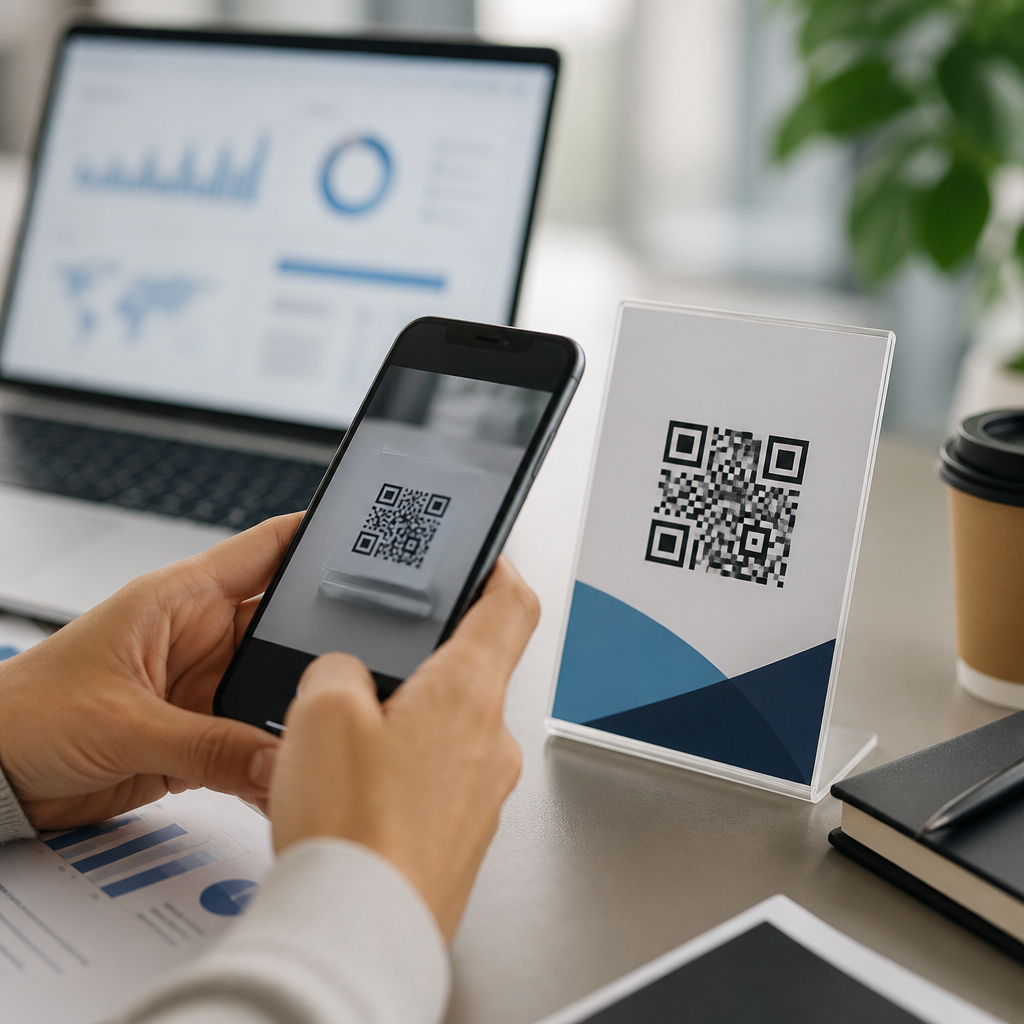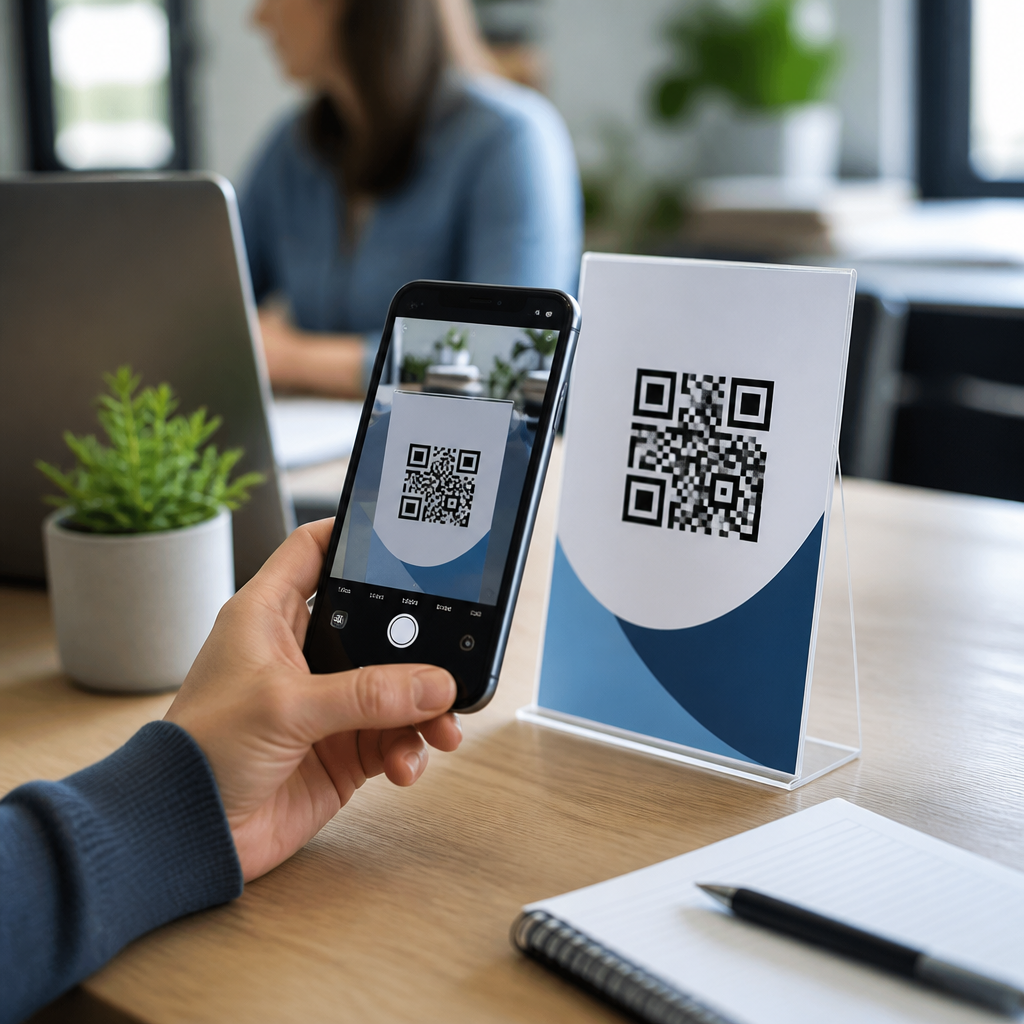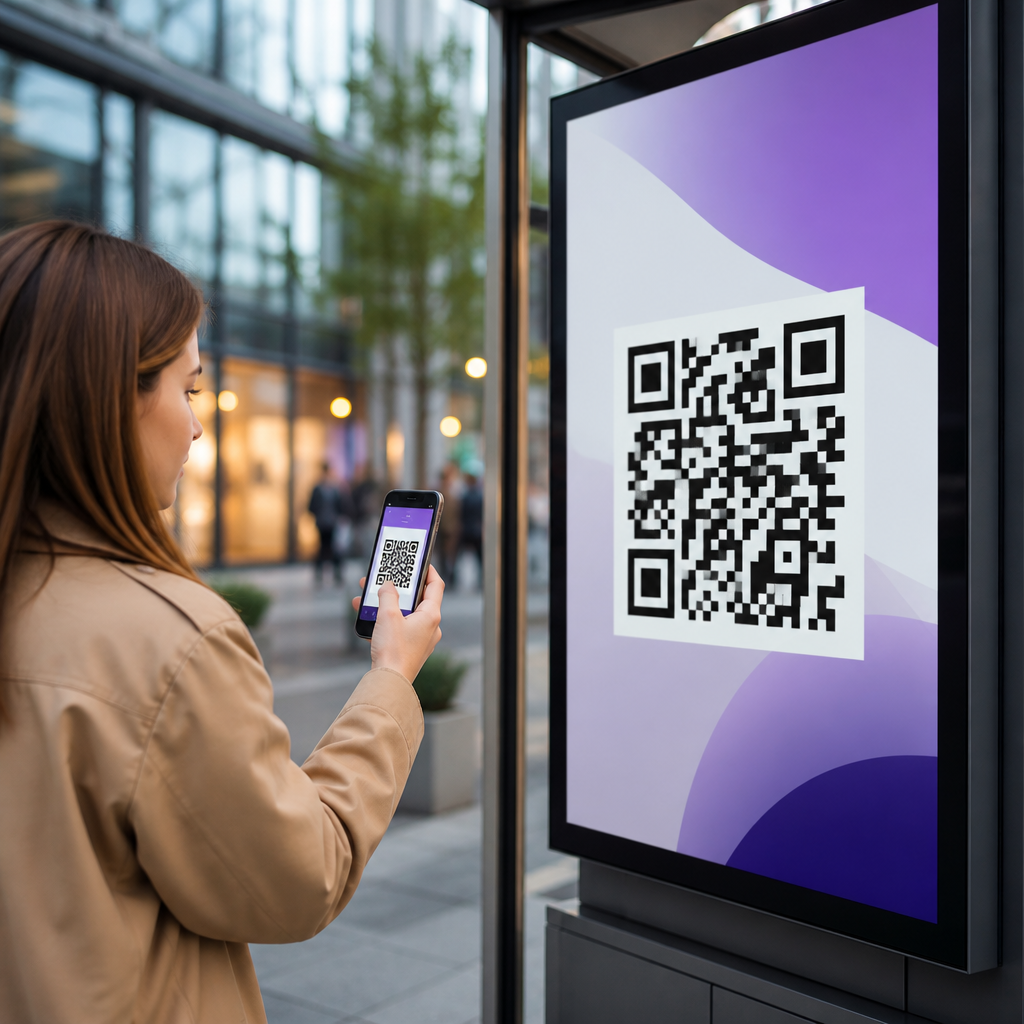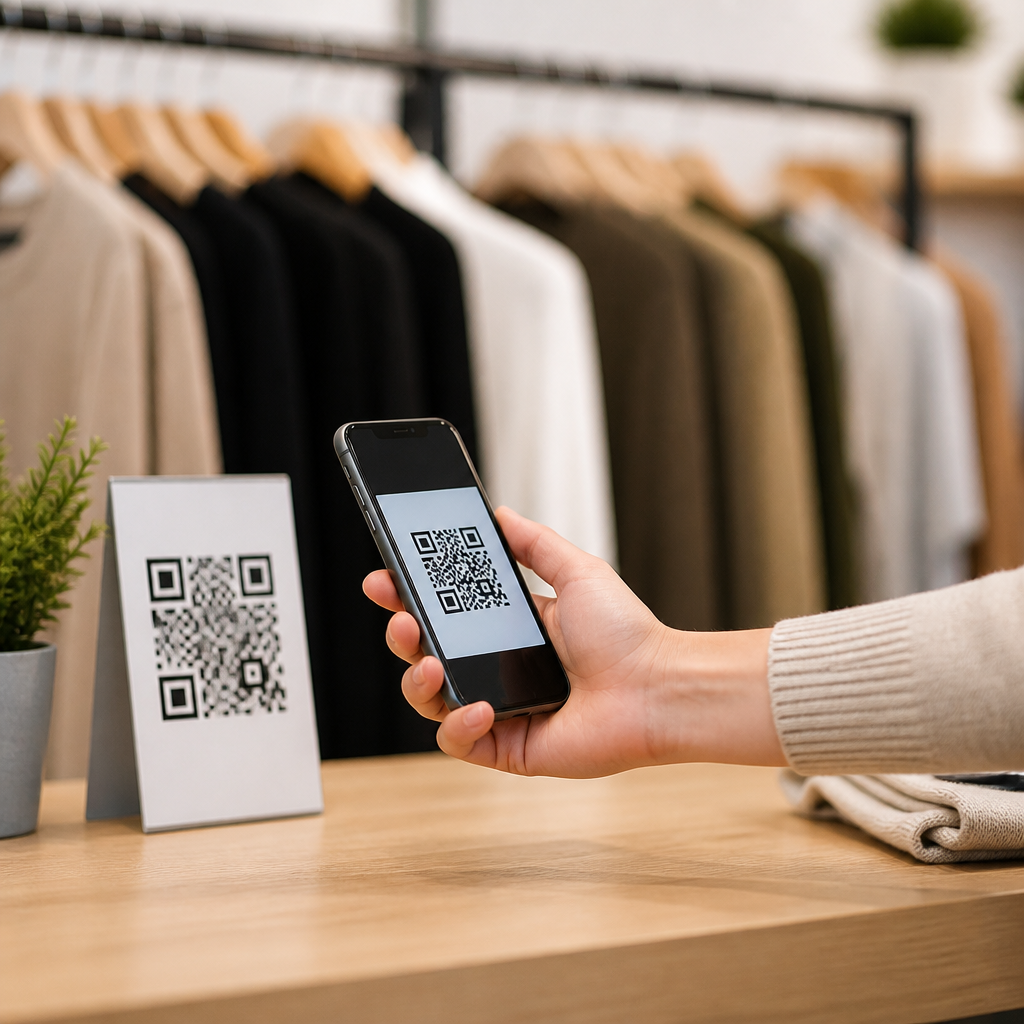
QR codes have moved from a niche packaging feature to a core digital marketing tool because they connect offline attention with online action in one scan. For brands, that simple bridge matters: a printed surface, storefront sign, event badge, direct-mail piece, product label, or video screen can become a measurable entry point into a campaign. In practical terms, a QR code is a two-dimensional barcode that stores a destination such as a URL, app link, payment page, coupon, menu, form, or multimedia experience. When a smartphone camera reads it, the user lands directly where the marketer intends, without typing a web address or searching manually.
In my work on campaign landing pages, packaging programs, and retail activation, I have seen QR codes perform best when they remove friction rather than add novelty. A shopper scanning a code on a shelf talker expects immediate utility: product details, ingredients, reviews, a limited-time offer, or stock availability. An attendee scanning a conference badge expects quick networking or schedule access. The effectiveness of QR codes in digital marketing comes from this direct exchange of value. If the destination is slow, irrelevant, or hard to use on mobile, engagement drops sharply.
This matters because modern customer journeys are fragmented across channels. Consumers may see a brand on social media, encounter the product in store, receive a catalog at home, and later visit a website on mobile. QR codes help unify those touchpoints. They also support measurement. With dynamic QR codes, marketers can change the destination after printing and track scans by time, device, and campaign source. That turns physical media into a data-generating channel, which is why QR codes now sit inside broader CRM, attribution, loyalty, and performance marketing strategies rather than operating as one-off gimmicks.
What QR codes do in digital marketing
At a strategic level, QR codes shorten the distance between interest and action. Instead of asking a customer to remember a URL, search a product name, or install an app later, a scan opens the next step immediately. That next step may be lead capture, content consumption, purchase, registration, feedback collection, customer support, or loyalty enrollment. This is why brands use QR codes to drive engagement across the funnel: awareness campaigns can link to video or storytelling, consideration campaigns can link to product comparison pages, and retention programs can link to rewards dashboards or reorder flows.
Static and dynamic QR codes serve different marketing needs. A static code contains a fixed destination and works well for permanent information such as a contact card or a stable product page. A dynamic code points through a redirect service, letting marketers update the landing page, apply UTM parameters, and view analytics without reprinting the code. In most campaign settings, dynamic codes are the right choice because they support testing and optimization. Platforms such as Bitly, Beaconstac, QR Code Generator Pro, and Flowcode commonly provide these controls, along with branded short links and scan reporting.
Good QR code marketing also depends on context. A code alone is not a strategy; it needs a clear reason to scan. Effective calls to action are specific: “Scan to see ingredients,” “Scan for 15% off today,” or “Scan to watch the setup demo.” Generic labels like “Scan me” underperform because they do not communicate benefit. Mobile experience is equally important. The destination page should load quickly, match the promise near the code, and minimize form fields. A useful rule is one objective per scan, especially on packaging, posters, receipts, and point-of-sale displays where attention is brief.
Where brands use QR codes to drive engagement
Brands deploy QR codes anywhere physical and digital channels intersect. On packaging, QR codes often unlock recipes, authenticity checks, care instructions, warranty registration, or sustainability information. Beauty brands use them for tutorial videos and shade-matching tools. Food and beverage brands use them for nutritional details, sourcing stories, and sweepstakes entries. In retail stores, codes appear on endcaps, shelf tags, window displays, and fitting-room signage, sending shoppers to reviews, size guides, or mobile checkout pages when staff are busy.
Out-of-home advertising is another strong use case because QR codes convert passive impressions into measurable visits. A transit poster can send commuters to a limited offer. A billboard near a venue can open event merchandise or ticket upgrades. Direct mail benefits too: catalogs, postcards, and inserts become interactive when a code launches a personalized landing page. At events, QR codes streamline check-in, agenda access, lead retrieval, and post-session surveys. Restaurants normalized code-based menus during the pandemic, but many hospitality brands now use them more broadly for ordering, loyalty enrollment, and review generation.
Social, video, and connected TV campaigns also use on-screen QR codes to capture second-screen behavior. A streaming ad can invite viewers to scan for a product drop or dealership inventory. Because typing a long URL from a television is inconvenient, the scan creates a smooth handoff from living room to phone. Consumer packaged goods brands frequently combine package QR codes with paid media so that the same campaign promise carries from ad exposure to shelf interaction. When the code destination uses consistent creative, pricing, and audience messaging, completion rates usually improve because the user feels continuity rather than channel switching.
How successful campaigns are built and measured
The strongest QR campaigns begin with a narrow conversion goal and a dedicated mobile landing page. If the objective is email capture, the page should focus on the offer, proof points, and a short form. If the objective is product education, the page should prioritize scannable content, video, FAQs, and prominent purchase links. Marketers should tag every destination with campaign parameters, connect results to analytics platforms such as Google Analytics 4, and define success metrics before launch. Typical metrics include scan rate, unique scans, landing-page conversion rate, assisted revenue, repeat scans, and geographic response by placement.
Testing is essential because small execution choices change performance. In packaging pilots I have worked on, moving a code from the back panel to the side panel reduced scans, while changing the label from “Learn more” to “Scan for setup video” lifted engagement because the benefit became concrete. Color and branding matter less than contrast and readability. A stylized code that fails under low light or curved packaging is a bad trade. Error correction helps preserve readability when adding a logo, but excessive customization still creates scan failures. ISO/IEC 18004 standards and plain camera testing across iPhone and Android devices should guide quality control.
| QR placement | Primary user intent | Best destination | Key metric |
|---|---|---|---|
| Product packaging | Learn before or after purchase | How-to page, ingredients, warranty, loyalty signup | Unique scans per unit sold |
| Retail signage | Compare or buy quickly | Reviews, inventory, mobile checkout | Landing-page conversion rate |
| Direct mail | Respond to an offer | Personalized promotion page | Scan-to-lead rate |
| Events | Access information fast | Agenda, lead form, feedback survey | Completion rate |
| CTV or video | Continue on mobile | Offer page or app deep link | Scans during airtime |
Attribution requires nuance. A scan may not produce an immediate sale, especially for higher-consideration categories like home goods, financial services, or automotive. In those cases, QR codes often contribute assists by initiating product views, brochure downloads, dealership bookings, or list building. That is why marketers should connect scan data with CRM records, coupon redemption, or post-purchase surveys where possible. The value of a QR campaign is often clearer when viewed as part of a sequence: impression, scan, session, engagement, return visit, and conversion.
Best practices, risks, and the future of QR code marketing
Several best practices consistently improve results. First, give users a direct reason to scan and place that reason next to the code. Second, optimize for mobile speed; a code that opens a heavy desktop page wastes intent. Third, size and place the code for the viewing distance. A small code on a high poster will be ignored or fail. Fourth, keep the destination tightly aligned with the physical context. A code on a cereal box should not open a generic homepage when a recipe library or coupon page is expected. Fifth, monitor scans after launch and refresh destinations, offers, or creative when performance stalls.
There are also real risks. Security concerns are legitimate because users cannot visually verify a destination before scanning. Brands should reduce anxiety by using recognizable domains, HTTPS, and surrounding brand cues. Broken redirects, expired promotions, and poor cellular reception can also ruin campaigns. Accessibility deserves attention as well; include a short fallback URL or NFC option in some environments, and avoid relying on color alone to explain the action. International campaigns must account for privacy laws, consent requirements, and platform differences, especially when scan data feeds remarketing or loyalty databases.
Looking ahead, QR codes will remain important because they solve a permanent marketing problem: how to make physical media interactive and measurable. The technology is simple, but the strategy is not. The best brand programs treat QR codes as gateways into useful mobile experiences, not decorative symbols added at the end of creative production. If you are building a mobile QR code marketing hub, start with the highest-intent touchpoints: packaging, retail signage, direct mail, and video. Define the user benefit, launch with dynamic tracking, and measure what happens after the scan. Done well, QR codes turn curiosity into action and give every physical impression a digital outcome.
Frequently Asked Questions
How do brands use QR codes to increase customer engagement?
Brands use QR codes to turn passive attention into immediate action. Instead of asking someone to remember a website, search for a product later, or manually type a long URL, a QR code creates a direct path from a physical touchpoint to a digital experience. That touchpoint can be almost anything: product packaging, retail displays, posters, event signage, restaurant tables, business cards, direct-mail campaigns, receipts, in-store windows, or even video screens. With one scan, a customer can be taken to a landing page, loyalty signup, giveaway entry form, product tutorial, app download, limited-time promotion, or social campaign.
This matters because engagement improves when friction is reduced. The easier it is for a customer to act in the moment, the more likely they are to do it. A shopper standing in an aisle may scan a code to compare product features, watch a demo, or unlock a discount before deciding to buy. An event attendee may scan a badge or booth sign to download a brochure, book a follow-up meeting, or join a contest. A diner may scan a code not only to view a menu, but also to leave a review, join a rewards program, or place another order. In each case, the QR code helps the brand capture intent while attention is still high.
QR codes also support more interactive and personalized campaigns. A single scan can launch augmented reality content, reveal exclusive storytelling around a product, connect users to localized offers, or route them to a page tailored by campaign, geography, or device type. Because these scans can be tracked, brands gain measurable data about where engagement happens, which materials perform best, and what audiences respond to. That combination of convenience, immediacy, and measurability is why QR codes have become such a valuable tool for driving engagement across both physical and digital channels.
Why are QR codes considered such an effective bridge between offline and online marketing?
QR codes are effective because they solve one of marketing’s oldest problems: how to convert offline interest into online behavior without losing momentum. Traditional offline media such as packaging, flyers, billboards, product inserts, event booths, and point-of-sale signage can capture attention, but historically they have not always made action easy. A customer might notice an ad and intend to visit a site later, but that delay often leads to drop-off. QR codes remove that gap by making the next step instant. The moment someone is curious, they can scan and continue the journey immediately.
That immediate connection makes offline channels far more actionable and measurable. A printed sign is no longer just a sign; it becomes a traffic source. A package is no longer only a container; it becomes a portal to onboarding, support, product education, referrals, reviews, and repeat purchases. A mailer becomes more than a static message because it can guide recipients to a personalized offer page, appointment booking flow, or customer survey. This transforms physical media from awareness tools into performance-driven assets that contribute directly to conversions and customer data collection.
Another reason QR codes work so well is that smartphone behavior already supports them. Most users can scan codes directly from their camera app without downloading anything extra. That familiarity reduces resistance and makes QR interactions feel natural. At the same time, marketers can pair QR codes with campaign-specific landing pages and analytics tools to attribute scans, evaluate timing, compare placement performance, and optimize future efforts. In short, QR codes bridge offline and online marketing because they combine accessibility for users with attribution for brands, making physical engagement easier to track and improve.
What types of content or destinations should brands link to with QR codes?
The best QR code destination depends on the customer’s context and the brand’s goal. Effective brands do not link every code to their homepage by default. Instead, they match the destination to the moment. If the code appears on product packaging, the destination might be a setup guide, ingredient details, product registration page, warranty information, how-to video, or reorder page. If the code is on a retail display, it may make more sense to link to product comparisons, customer reviews, a promotional discount, or a store locator. At an event, the ideal destination could be a lead form, meeting scheduler, downloadable resource, demo request page, or social follow prompt.
Brands also use QR codes for experiences that go beyond basic information delivery. They can direct users to loyalty enrollment, rewards redemption, digital menus, mobile payments, coupon activation, feedback forms, referral programs, user-generated content campaigns, and interactive storytelling. In industries where trust matters, QR codes can link to transparency content such as sourcing information, certifications, care instructions, safety documentation, or authenticity verification. In entertainment and experiential marketing, they can unlock games, behind-the-scenes footage, exclusive music, virtual try-ons, or augmented reality features that deepen emotional engagement.
The key is relevance and clarity. The destination should feel like a natural continuation of what the customer is seeing when they scan. A person scanning a code on a direct-mail postcard expects a targeted offer or useful next step, not a generic homepage. Likewise, someone scanning from a storefront window may want store hours, booking availability, or a featured promotion right away. Brands get the best results when they align the code’s placement, call to action, and landing page into one seamless experience. The scan should answer an immediate need, reward curiosity, or make the next step easier than any alternative.
How can brands measure the success of a QR code campaign?
One of the biggest advantages of QR codes is that they make physical interactions measurable. Brands can track scan volume, time of scan, device type, location patterns, campaign source, and what users do after they land on the destination page. This allows marketers to evaluate not just whether people scanned a code, but whether that scan contributed to meaningful outcomes such as purchases, signups, app installs, coupon redemptions, bookings, content downloads, or form completions. In many cases, the code acts like a trackable campaign link attached to a physical object or environment.
To measure performance accurately, brands typically use unique QR codes for different placements, audiences, or campaign assets. For example, a company might create one code for in-store signage, another for product packaging, another for event materials, and another for direct mail. That separation makes it possible to compare which channel drives the most engagement and which audience converts best. Dynamic QR codes are especially useful because they allow brands to update destinations without changing the printed code and often provide built-in analytics. When paired with UTM parameters, landing page analytics, CRM data, and conversion tracking, QR campaigns can be evaluated with the same rigor as paid digital campaigns.
Success should be defined by business goals, not scans alone. A high scan rate is promising, but the more important question is what those scans produce. If the goal is lead generation, the brand should focus on completed forms, qualified leads, and downstream sales impact. If the goal is retention, repeat purchases, loyalty enrollments, and customer lifetime value may matter more. If the goal is awareness, time on page, video views, and social shares could be useful indicators. The strongest brands treat QR codes as part of a broader marketing funnel and measure them accordingly, using data not only to prove performance but also to refine placement, messaging, and creative over time.
What are the best practices for creating QR codes that people will actually scan?
Successful QR code campaigns depend on more than simply generating a code and placing it somewhere visible. First, brands need to give people a clear reason to scan. A strong call to action is essential because most users will not scan a code unless the benefit is obvious. Phrases such as “Scan to get 20% off,” “Scan to watch the demo,” “Scan to enter the giveaway,” or “Scan to see today’s menu” perform better than placing a code on its own with no explanation. The value exchange should be immediate, relevant, and easy to understand at a glance.
Design and placement also matter. The code must be large enough to scan comfortably, printed with sufficient contrast, and positioned where people can access it without awkward angles or poor lighting. A code placed too high, too low, on a curved surface, behind reflective glass, or in a fast-moving environment may underperform no matter how strong the offer is. Brands should test codes on multiple devices before launch and make sure the landing page is mobile-friendly, fast-loading, and aligned with the promise in the call to action. If the page is slow, confusing, or generic, the customer experience breaks down immediately after the scan.
Finally, brands should think strategically about trust, continuity, and optimization. Branded landing pages and recognizable campaign context help users feel confident that the scan is safe and legitimate. Dynamic QR codes make it easier to update links, run A/B tests, and adjust campaigns without reprinting materials. It is also smart to avoid sending users to cluttered pages with too many choices; the best scan experiences lead to a focused destination built for mobile action. When brands combine a compelling incentive, thoughtful placement, clean design, and post-scan relevance, QR codes become much more than a technical feature—they become a reliable engagement channel that can influence discovery, conversion, and loyalty.