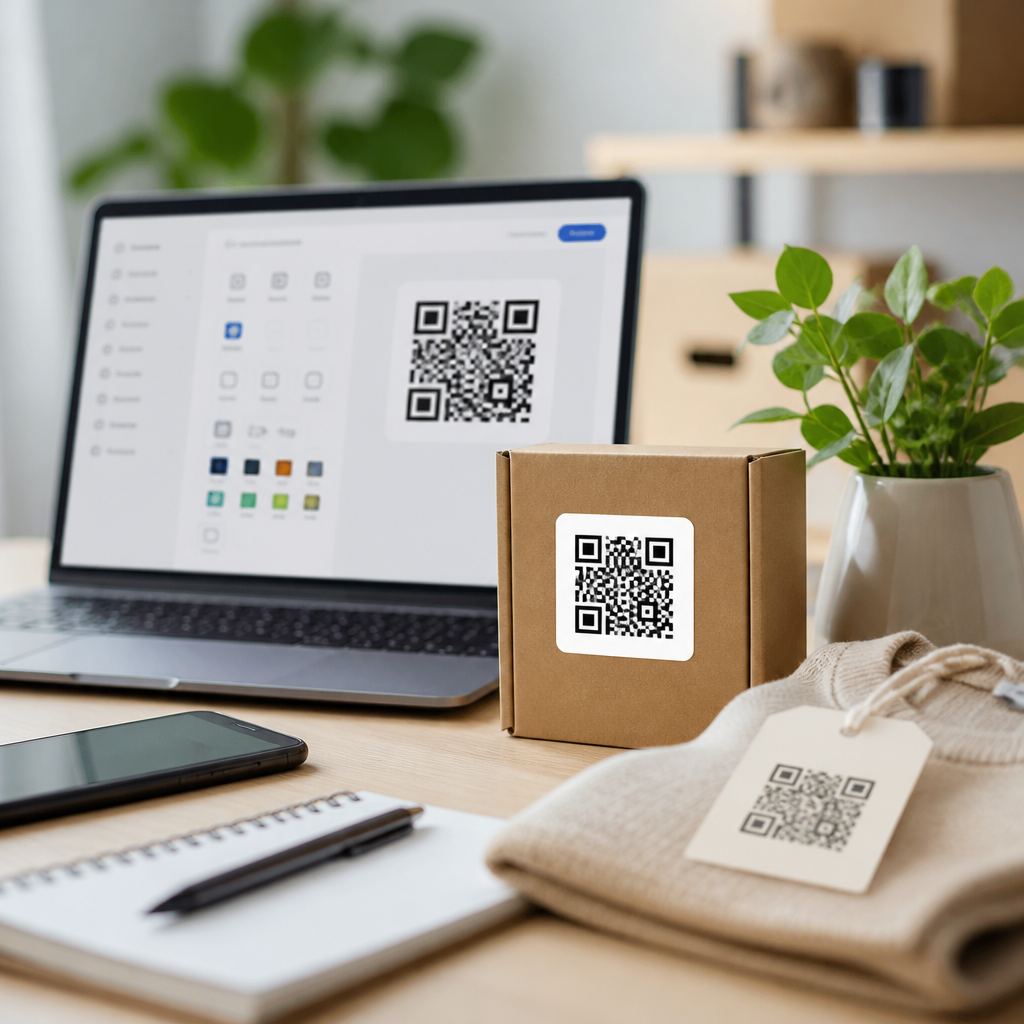
QR code tracking platforms turn a simple scannable square into a measurable digital touchpoint. At a basic level, a QR code is a machine-readable matrix barcode that stores data, most often a URL. A tracking platform adds a management layer: it generates the code, routes scans through a redirect, records scan activity, and reports performance metrics such as total scans, unique scans, location, device type, and time of engagement. In practice, this transforms print, packaging, direct mail, in-store signage, event badges, and product labels from static assets into trackable campaign channels.
This matters because offline-to-online attribution is notoriously difficult. Marketers can measure clicks, impressions, and conversions on websites with mature analytics tools, yet printed materials often remain under-measured. I have implemented QR programs for retail promotions, trade show booths, restaurant menus, and field sales collateral, and the same question always comes up: which placements actually drive action? A QR code tracking platform answers that question by connecting each scan to a specific code, destination, and campaign context. Instead of guessing whether a poster, package insert, or window cling performed, teams can see scan volume, timing, and downstream behavior.
Not all platforms work the same way, and that distinction matters. The biggest divide is between static QR codes and dynamic QR codes. A static code encodes the final destination directly, which means it cannot usually be edited after printing and offers limited measurement. A dynamic code points to a short tracking URL controlled by the platform. When someone scans, the platform logs the event and redirects the user to the current destination. That architecture is what enables analytics, destination changes without reprinting, device-aware routing, campaign tagging, and governance features such as user permissions and expiration rules.
For organizations evaluating QR code tracking platforms, the topic goes beyond code generation. The real decision is about data quality, privacy controls, reporting depth, integrations, scalability, and reliability in the field. A restaurant may prioritize fast mobile landing pages and location-level reporting. A consumer packaged goods brand may care more about serialized codes and anti-counterfeit workflows. A B2B marketing team may need UTM governance and CRM integration. This hub article explains how QR code tracking platforms work, what data they collect, which features separate entry-level tools from enterprise systems, and how to choose a platform that supports measurable, secure, and maintainable QR campaigns.
Core architecture: redirects, destinations, and scan logging
A QR code tracking platform typically starts by creating a dynamic code tied to a short URL on the provider’s domain or a branded short domain. When the code is scanned, the phone decodes that URL and opens it in the device browser. Before the visitor reaches the final page, the request hits the platform’s redirect service. That service logs the event, evaluates any rules, and then sends the user to the intended destination using an HTTP redirect, usually a 302 or 307 so the destination can be changed later without replacing the printed code.
This redirect layer is the operational heart of QR code analytics. It captures metadata available from the request, such as timestamp, IP-derived geolocation, user agent, operating system, browser family, and sometimes language settings. Better platforms distinguish total scans from unique scans by applying device and cookie heuristics, though uniqueness is always an estimate rather than a perfect person-level count. If campaign parameters are configured, the redirect can append UTM tags so sessions are classified correctly in Google Analytics 4, Adobe Analytics, or another analytics stack.
Destination management is equally important. Dynamic platforms let users edit the final URL after the code is printed, which is valuable for correcting errors, rotating seasonal content, pausing expired offers, or routing to a fallback page when stock is unavailable. Some tools support conditional routing by country, device type, time window, or scan count. For example, an event organizer can send iPhone users to Apple Wallet passes, Android users to Google Wallet instructions, and late scanners to an archived recap page after the event has ended.
What data QR code tracking platforms collect
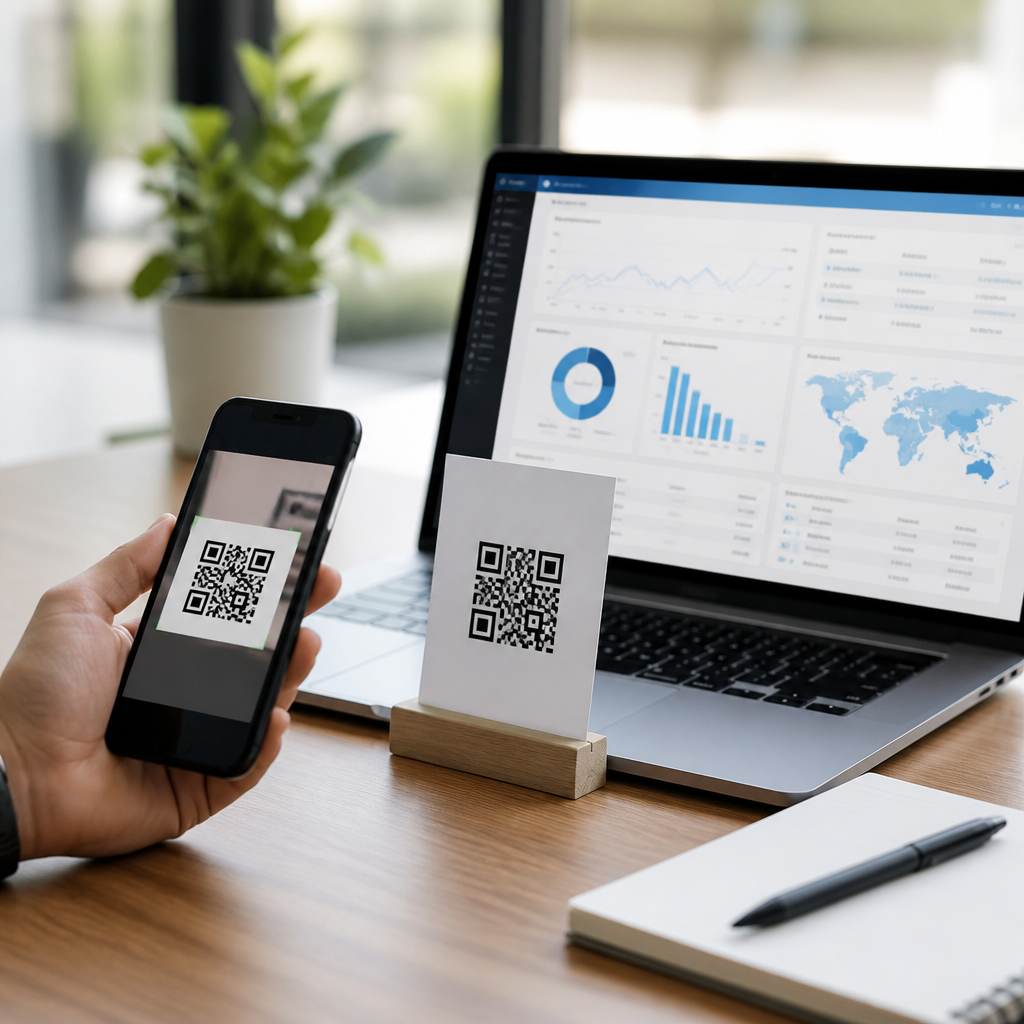
The most useful QR code metrics answer simple questions directly: how many people scanned, where did they scan, when did they scan, what device did they use, and what happened next? Standard dashboards show total scans, unique scans, scans over time, top locations, operating systems, and landing page performance. More advanced systems break performance down by campaign, asset, store, salesperson, product batch, or geographic market. In one retail rollout I managed, location-level scan reporting revealed that countertop displays outperformed window decals by more than two to one, which changed our print allocation for the next quarter.
Geographic reporting deserves careful interpretation. Most platforms estimate location from IP address, which is directionally useful but not perfectly precise. A city-level view is usually dependable enough for campaign planning, while exact street-level precision is unrealistic without explicit user consent and app-based location sharing. Device data is also informative. If most scanners use iPhones and a particular destination page loads slowly in Safari, the scan data points to a technical fix. Time-series reporting can surface operational insights too, such as lunch-hour peaks for restaurant table tents or commute-time spikes for transit ads.
| Metric | What it means | Common use |
|---|---|---|
| Total scans | All recorded scan events | Measures gross engagement volume |
| Unique scans | Estimated distinct scanners or devices | Approximates reach |
| Scan location | IP-derived geographic estimate | Compares regions, stores, or venues |
| Device and OS | Phone type, operating system, browser | Optimizes landing page experience |
| Time of scan | Date and time of each event | Identifies peaks, seasonality, and pacing |
| Conversion data | Actions after the scan, usually via analytics integration | Connects scans to revenue or leads |
The scan itself is only the first layer. The real value comes when QR data is connected to downstream outcomes. That usually requires analytics and marketing integrations. By appending standardized campaign parameters and defining conversion events, teams can see whether a product label drove email sign-ups, whether a direct mail piece created booked demos, or whether an in-store code led to cart completions. Without that second layer, a dashboard may show strong scan counts while hiding a weak landing page or poor offer-market fit.
Features that separate basic tools from enterprise platforms
Entry-level QR tools often focus on code generation and simple scan reporting. That is fine for small campaigns, but larger programs need operational controls. The first differentiator is governance: folders, naming conventions, role-based access, approval workflows, and audit logs. When dozens of marketers or agencies create codes, inconsistency becomes a reporting problem. Platforms built for scale let teams enforce branded domains, template destinations, UTM structures, and metadata fields so reporting remains clean across campaigns and business units.
Another major differentiator is customization and resilience. Branded short domains improve trust and can increase scan completion because users see a recognizable link preview rather than a generic shortener. Error correction levels, vector export formats, and print-quality controls matter because poor code rendering causes scan failure in the real world. Good platforms also support bulk creation, API access, and CSV import for high-volume use cases such as product packaging, warranty cards, or franchise location kits. In regulated environments, retention policies and regional data handling options can be essential.
Enterprise-grade systems also support advanced routing and serialization. A single campaign may require unique QR codes by store, by sales rep, or by package unit. Serialized codes allow one-to-one traceability, which supports loyalty activation, authentication, and supply chain visibility. Some platforms add password gating, scan limits, expiration dates, first-scan logic, or A/B destination testing. Others connect with customer data platforms, CRM systems, and automation tools so a scan can trigger lead capture, audience segmentation, or follow-up messaging. These capabilities move the platform from a utility into a measurable channel infrastructure.
Privacy, accuracy, and implementation best practices
QR code tracking platforms are powerful, but they are not exempt from privacy and measurement constraints. Because many scans happen in a browser without a persistent login, identity resolution is limited. Unique scan counts rely on heuristics, not certainty. Geolocation is inferred unless the user explicitly grants location permission. Regulations such as GDPR and CCPA affect how data is collected, retained, and disclosed, especially when QR destinations include forms, cookies, or retargeting pixels. The safest approach is transparent disclosure, minimal data collection, and coordination with legal and analytics teams before launch.
Execution quality has a direct effect on tracking reliability. Landing pages should load quickly on mobile, use HTTPS, and match the promise of the printed call to action. Codes need sufficient contrast, quiet space, and physical size for the expected scanning distance; a common rule is about one inch of code size for every ten inches of scanning distance, though testing on actual materials is better than relying on a rule alone. Teams should validate redirects, UTM parameters, analytics events, and fallback behavior before printing. I always run live tests across iPhone and Android devices, indoor and outdoor lighting, and weak cellular conditions because these edge cases expose issues dashboards cannot predict.
Choosing a platform comes down to fit. Small businesses may need affordable dynamic codes, basic analytics, and editable destinations. Multi-location brands often need branded domains, user permissions, bulk management, and integrations with Google Analytics 4 or a CRM. Manufacturers may need serialization and anti-counterfeit workflows. The best QR code tracking platform is the one that makes offline engagement measurable without creating data chaos or compliance risk. Start with clear campaign goals, require dependable redirects and reporting, test codes in real conditions, and build a naming and analytics standard before scaling. Done well, QR tracking turns every printed touchpoint into an accountable, optimizable channel—so audit your current QR usage and choose a platform that can measure what matters.
Frequently Asked Questions
1. What does a QR code tracking platform actually do?
A QR code tracking platform does much more than simply create a scannable code. At its core, it adds a management and analytics layer to a standard QR code so businesses can measure what happens after someone scans it. Instead of embedding a final destination directly in the code with no visibility, the platform typically generates a trackable link that routes each scan through a redirect before sending the user to the intended landing page, app, video, form, or other digital experience.
That redirect is what makes tracking possible. When a user scans the QR code, the platform logs the event and captures available data points such as the time of the scan, approximate location based on IP address, device type, operating system, and in many cases whether the scan appears to be a first-time or repeat interaction. The platform then organizes this information into dashboards and reports so marketers, retailers, event teams, and operations managers can see how the code is performing over time.
In practical terms, this turns a QR code from a static utility into a measurable digital touchpoint. A code printed on product packaging, direct mail, in-store signage, restaurant tables, trade show displays, or posters can now be tied to engagement metrics. That means teams can compare campaigns, identify high-performing locations, test different calls to action, and make better decisions based on real scan behavior rather than guesswork.
2. How is a tracked QR code different from a regular QR code?
A regular QR code usually contains fixed information, most commonly a direct URL. Once it is created and printed, it generally points to the same destination forever unless the destination page itself changes. This works well for basic use cases, but it offers little flexibility and almost no built-in reporting. If people scan the code, the code itself does not tell you who scanned, when they scanned, what type of device they used, or how often the code was used.
A tracked QR code, by contrast, is usually connected to a dynamic short link managed by a platform. The visible QR code may stay the same, but the destination behind it can often be updated from a dashboard without reprinting the code. That is especially valuable for long-running campaigns, printed materials, packaging, and signage where replacing physical assets would be expensive or impractical.
The other major difference is measurement. Because scans pass through the platform first, the system can record scan activity and generate performance reports. Businesses can see total scans, unique scans, location trends, device breakdowns, and time-based engagement patterns. In many platforms, tracked QR codes can also be grouped by campaign, tagged for organization, assigned to teams, or integrated with broader marketing analytics tools. In short, a regular QR code simply connects users to information, while a tracked QR code helps you understand and optimize the user journey behind that connection.
3. What kind of data can QR code tracking platforms collect?
Most QR code tracking platforms are designed to collect performance data that helps businesses understand engagement at a meaningful level. Common metrics include total scans, which shows overall volume, and unique scans, which helps estimate how many individual users interacted with the code. Many platforms also report the date and time of each scan, making it easier to spot traffic spikes, identify peak engagement windows, and compare performance across different days, weeks, or campaign periods.
Location insights are another major feature. These are usually based on approximate geolocation derived from the scanner’s IP address rather than exact GPS coordinates, unless the user explicitly shares more precise information through a landing page or app. Platforms may also identify device-related details such as mobile versus tablet usage, operating system, browser type, and sometimes carrier or network-level information depending on the setup and data availability.
Some platforms go beyond scan-level reporting and connect QR activity to downstream actions. For example, if a QR code leads to a tracked landing page, teams may be able to measure clicks, form submissions, purchases, app installs, coupon redemptions, or other conversions. This creates a fuller picture of performance, not just how many people scanned but what they did next. It is important to note, however, that the exact data available depends on the platform, privacy settings, cookie consent requirements, and how the destination experience is configured. Strong platforms balance useful analytics with privacy compliance and transparent data practices.
4. How does the redirect process work when someone scans a QR code?
When someone scans a tracked QR code, the process happens very quickly, usually in a fraction of a second, but several important steps take place behind the scenes. First, the QR scanner on the user’s phone reads the encoded URL or short link stored inside the QR code. Instead of sending the user straight to the final destination, that link points to the tracking platform’s server or redirect service.
Once the platform receives the request, it records the scan event and captures the data it can gather at that moment, such as timestamp, device information, and approximate location. After logging the interaction, the platform immediately forwards the user to the designated destination. In a well-built system, this redirect is optimized to be fast and seamless so the end user experiences little to no delay.
This redirect model is the foundation of QR code tracking because it creates a measurable checkpoint between the scan and the destination. It also enables dynamic management. For example, a business can change the landing page later, route users to different pages based on geography, schedule different destinations for different dates, or run A/B tests without changing the printed code itself. That flexibility is one of the biggest reasons tracking platforms are widely used in marketing, packaging, events, retail, and offline-to-online campaigns. The redirect is not just a technical step; it is what makes a QR code manageable, adaptable, and measurable at scale.
5. Why do businesses use QR code tracking platforms instead of basic QR generators?
Businesses use QR code tracking platforms because they need visibility, control, and adaptability that basic QR generators usually do not provide. A free or simple QR generator may be enough for a one-time personal use case, but organizations typically want to understand performance and improve outcomes over time. If a company is investing in print ads, packaging, direct mail, point-of-sale displays, product inserts, or event signage, it needs to know whether people are actually engaging with those assets and which placements are producing the best results.
Tracking platforms make that possible by centralizing code creation, destination management, and analytics in one place. Teams can organize QR codes by campaign or channel, monitor scan trends, compare locations, and update links without reprinting materials. This can reduce operational waste and extend the life of physical marketing assets. It also supports better decision-making because teams are no longer relying on assumptions about customer behavior.
Another major advantage is scalability. As organizations run more campaigns across more channels, manually managing static codes becomes inefficient and risky. A dedicated platform provides governance features such as user permissions, naming conventions, reporting dashboards, and in some cases API access or integrations with CRM, marketing automation, and analytics systems. The result is a more professional, measurable workflow that connects offline engagement to digital reporting. For businesses that care about attribution, optimization, and ROI, a QR code tracking platform is typically far more valuable than a basic code generator.