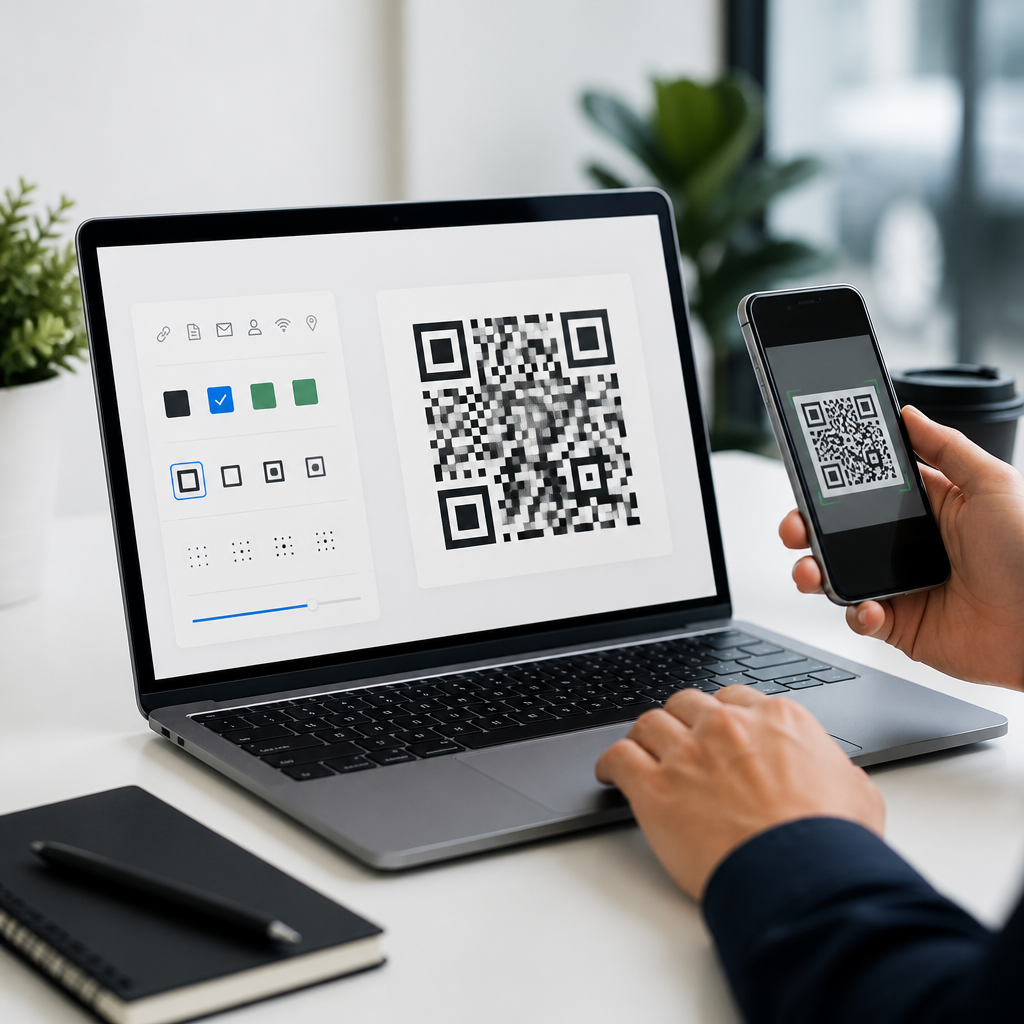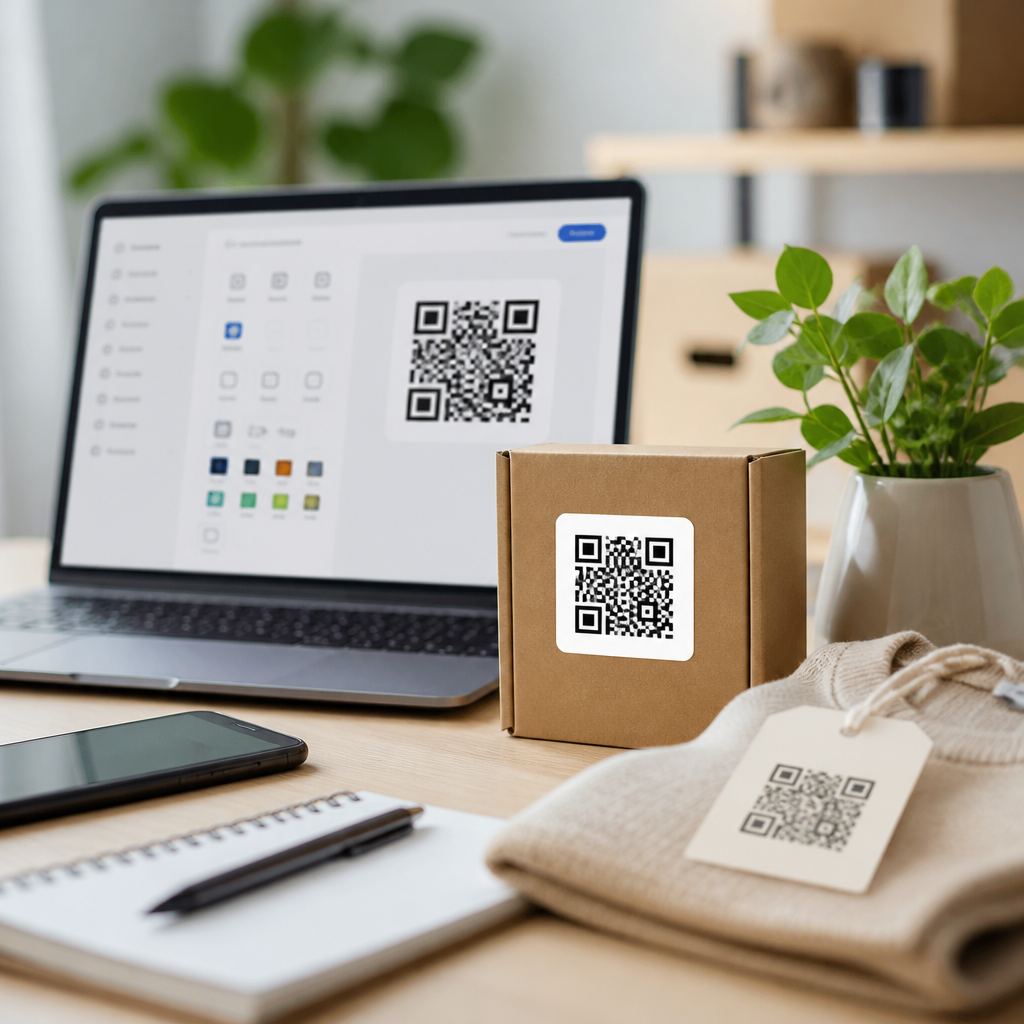

Multi-location companies need QR code systems that do far more than generate a square image, because every restaurant branch, retail store, clinic, franchise, campus, and field team relies on consistent deployment, centralized control, and measurable results. In this context, enterprise QR code solutions are platforms designed to create, manage, secure, and analyze large numbers of QR codes across many locations, users, campaigns, and business units. The topic matters because location-level marketing, operations, payments, feedback collection, and customer support increasingly depend on scannable touchpoints that bridge physical spaces and digital workflows. I have implemented QR programs for distributed businesses, and the biggest lesson is simple: the best platform is not the one with the flashiest generator, but the one that keeps governance tight while giving local teams enough flexibility to move quickly. For a sub-pillar under QR Code Tools & Software, this guide explains what multi-location businesses should look for, which solution categories fit different operating models, and how to evaluate vendors without missing the details that affect rollout, compliance, and return on investment.
What enterprise QR code solutions must handle at scale
An enterprise QR code platform for multi-location businesses should support dynamic QR codes, role-based access control, bulk creation, folder structures, audit trails, analytics, and reliable redirects. Dynamic codes matter because they let a central team change the destination URL without reprinting signage, packaging, menus, shelf talkers, or direct mail. That single capability reduces waste and makes local optimization possible. A restaurant chain can redirect breakfast menu codes by region, while a healthcare group can update patient intake links per clinic without replacing waiting room posters.
Scale also changes the governance requirements. In smaller deployments, a marketing coordinator may own every code. In enterprises, operations, franchisees, regional managers, compliance, and IT all need controlled access. The best QR code solutions for multi-location businesses allow templates, naming conventions, expiration rules, and approval workflows. I look for SSO support through SAML or OAuth, access logs, and separate workspaces for brands or territories. Those features prevent common failures, such as a local manager editing a code that powers hundreds of printed assets.
Analytics must work at three levels: enterprise, region, and location. Useful dashboards show total scans, unique scans, scan time, device type, geography, and conversion by code. Better platforms add UTM parameter management, Google Analytics 4 integration, webhook support, and API access for BI tools like Looker Studio, Power BI, or Tableau. If a retailer wants to compare window-sign scans across fifty stores, that reporting should take minutes, not spreadsheet consolidation over several days.
Core use cases across restaurants, retail, healthcare, and franchises
Multi-location businesses rarely use QR codes for one purpose only. Restaurants deploy them for digital menus, loyalty sign-ups, Google review requests, order-and-pay flows, allergen information, and table-level promotions. Retailers use them for product education, warranty registration, store maps, app downloads, click-and-collect instructions, and omnichannel attribution. Healthcare organizations rely on them for patient forms, wayfinding, appointment preparation, prescription information, and post-visit surveys. Franchise systems often standardize review generation, recruitment, local landing pages, and compliance documentation through one managed platform.
The important distinction is whether a business needs one-to-many control or many-to-one consistency. One-to-many control means a central team creates one campaign framework and distributes location-specific destinations. A fitness chain, for example, may print the same poster template nationwide while each gym QR code leads to a local trial signup page. Many-to-one consistency means many locations point to a controlled central destination, such as a common app install page or a single support knowledge base. The right platform supports both patterns without forcing awkward workarounds.
Real-world implementation details matter. For review generation, each branch should have a unique code tied to its Google Business Profile review link. For menus or product content, URLs should remain dynamic so legal disclaimers and pricing updates can be pushed centrally. For payments, PCI considerations mean the QR code provider should not become an unnecessary data handler if the payment flow is better served by a trusted gateway. The operational question is always the same: who owns the experience after the scan, and how quickly can it be changed safely?
How to compare the best QR code solutions for multi-location businesses
When evaluating vendors, compare platform architecture before design features. Short URL infrastructure, redirect speed, SSL support, uptime commitments, and custom domain capability affect both user trust and campaign performance. A slow redirect on weak mobile data hurts conversions. A generic short domain can also reduce confidence in high-trust environments like healthcare or financial services. Custom branded domains are worth prioritizing because they improve recognition and make governance easier.
Next, assess administrative depth. Bulk import by CSV is useful, but API-based provisioning is better for enterprises that open locations frequently or tie QR generation to product information management, POS systems, CRM records, or franchise onboarding workflows. Good vendors expose endpoints for code creation, updating destinations, assigning tags, and pulling analytics. They also support asset export in SVG, EPS, and high-resolution PNG formats so print vendors are not stuck rebuilding files.
Security and compliance should be explicit. Ask where scan data is stored, whether data processing agreements are available, how retention works, and whether the platform supports regional hosting requirements. For regulated sectors, the vendor does not need to market itself with every acronym, but it does need documented controls, clear subprocessor lists, and incident response procedures. I also check whether expired or paused codes can display a managed fallback page rather than a dead link, because broken customer journeys create support issues fast.
| Evaluation area | What to verify | Why it matters for multi-location businesses |
|---|---|---|
| Code management | Dynamic editing, bulk creation, templates, tags | Supports thousands of assets without manual rework |
| Governance | SSO, user roles, audit logs, approvals | Prevents unauthorized edits across regions or franchises |
| Analytics | Location-level reporting, UTMs, API exports | Shows which branches and campaigns drive results |
| Infrastructure | Custom domains, SSL, uptime SLA, redirect speed | Protects trust and conversion on mobile connections |
| Integration | GA4, CRM, BI tools, webhooks, print workflows | Connects scan activity to revenue and operations |
Leading platform categories and where each one fits
Most enterprise QR code solutions fall into four categories. First are dedicated QR management platforms, which focus on dynamic code creation, analytics, design control, and team permissions. These are usually the fastest choice for marketing-led organizations that need rollout speed and centralized oversight. Second are customer engagement suites that include QR capabilities alongside SMS, email, loyalty, reviews, or mobile landing pages. They work well when the scan is only one step in a broader lifecycle program.
Third are digital asset or print workflow platforms with embedded QR generation. These fit retailers, manufacturers, and franchise groups that produce high volumes of physical materials and need version control. Fourth are custom-built stacks using QR libraries, cloud redirects, and in-house dashboards. I have seen this approach succeed for very large enterprises with strict security or integration requirements, but it demands engineering capacity and ongoing maintenance. For most companies, buying a mature platform is less risky than owning redirect infrastructure internally.
Named vendors vary by strength. Some excel in branded landing pages and campaign analytics. Others are stronger in review generation, local pages, or franchise governance. The best choice depends on whether your core need is location-level marketing, operational communications, or enterprise integration. A chain with 2,000 storefronts may prioritize APIs, templates, and role controls. A hospitality group may care more about elegant menu experiences and scan-to-order flows. The solution should match the business process, not just the creative brief.
Implementation model, governance, and measurement
A successful rollout starts with taxonomy. Define naming rules for brand, region, location, use case, surface, and campaign date before creating the first hundred codes. Without taxonomy, analytics become noisy and local teams duplicate assets. Then establish ownership: corporate usually controls platform settings, domains, templates, and approval policies, while local teams manage approved destinations or request changes through a workflow. This balance preserves brand standards without slowing location-level execution.
Print standards are equally important. Minimum size, quiet zone, contrast ratio, and placement guidelines should be documented for every surface from drive-through signage to countertop cards. Test codes under real conditions, including glare, low light, cracked screens, and weak connectivity. In field audits I have run, the most common failure was not the code itself but poor placement, such as a poster mounted too high or a glossy tabletop tent reflecting overhead lights.
Measurement should connect scans to business outcomes. Start with baseline metrics: scan rate by location, completion rate after the landing page, and downstream conversion such as reservation, order, review, registration, or call. Then compare by format and placement. A retailer may learn that fitting-room codes drive higher app downloads than shelf-edge labels, while a dental group may find that post-appointment cards outperform front-desk posters for review requests. Those insights justify expansion and help teams retire low-performing assets.
How this hub supports deeper enterprise QR code research
As the hub page for Enterprise QR Code Solutions, this article should guide readers toward the next questions they need answered before purchase or rollout. Typical follow-up topics include dynamic versus static QR codes, QR code analytics and attribution, QR code security best practices, franchise QR code management, QR codes for restaurant chains, QR codes for retail store operations, and custom domain setup for branded short links. Those supporting articles help buyers move from broad evaluation to practical implementation.
The main benefit of choosing the right system is operational clarity at scale. Multi-location businesses can launch faster, update destinations without reprints, protect brand standards, and measure performance by branch instead of guessing. The best QR code solutions for multi-location businesses combine centralized governance with local flexibility, strong analytics, secure infrastructure, and integration-ready workflows. If you are building or replacing an enterprise QR program, map your use cases, define governance early, and shortlist platforms based on scale, control, and reporting rather than design alone. That approach will save money, reduce rollout friction, and produce better customer experiences across every location.
Frequently Asked Questions
What should multi-location businesses look for in a QR code solution?
The best QR code solutions for multi-location businesses should be built for scale, control, and visibility, not just code creation. A single-location company may only need a basic generator, but a business with many branches, franchises, clinics, campuses, or field teams needs a platform that can organize hundreds or thousands of QR codes across different departments and physical locations. That usually means centralized management, role-based access, dynamic QR codes, and location-level performance tracking are essential features rather than nice extras.
A strong platform should also make it easy to standardize deployment while still allowing flexibility for local teams. For example, headquarters may want approved templates, brand controls, and required destination rules, while individual locations may need to update offers, menus, forms, or event pages without creating new printed materials. Dynamic editing is especially valuable here because it allows the destination behind a QR code to be changed after the code has been printed and distributed.
Analytics are another major requirement. Multi-location companies need to know which stores, regions, campaigns, and placements are driving scans, conversions, and customer actions. The ideal system should show performance by location, user, device, time, and campaign source, helping businesses compare results across branches and optimize deployment. Security, governance, API access, bulk creation, integrations with CRM or marketing systems, and support for multiple user groups should also be on the checklist. In short, the right solution should function as an enterprise management platform, not just a QR code generator.
Why are dynamic QR codes important for restaurants, retailers, clinics, and franchise networks?
Dynamic QR codes are especially important for multi-location businesses because they allow teams to change the destination or content without replacing the actual printed code. That matters in real-world operations where posters, packaging, menus, table tents, window signage, shelf displays, brochures, and in-store materials may already be distributed across dozens or hundreds of locations. Instead of reprinting everything when a URL changes, a promotion ends, or a form needs updating, the business can simply edit the destination inside the platform.
For restaurants, this could mean updating seasonal menus, digital ordering pages, or feedback forms across all branches from one dashboard. Retailers can switch a code from a product launch page to a clearance campaign or from a general homepage to a store-specific landing page. Clinics might update patient intake forms, appointment booking links, or service pages as regulations or workflows change. Franchise systems benefit even more because corporate teams can maintain consistency while still supporting local customization where appropriate.
Dynamic QR codes also improve testing and optimization. Businesses can run A/B campaigns, route users to different landing pages by region, measure scan performance over time, and quickly pause or redirect underperforming campaigns. This flexibility reduces operational waste, protects printed marketing investments, and gives organizations a much faster response time when business conditions change. For multi-location operations, that combination of agility and control is one of the biggest reasons dynamic QR systems outperform static alternatives.
How does centralized QR code management help maintain brand consistency across multiple locations?
Centralized QR code management helps multi-location businesses create a controlled system where branding, messaging, and customer experience remain consistent no matter where a customer scans. Without a centralized platform, local teams may create their own QR codes using different tools, link to outdated or unapproved pages, use inconsistent designs, or track results in disconnected ways. That creates brand risk, makes performance analysis difficult, and often leads to customer confusion.
With centralized management, corporate or regional leadership can establish templates, naming conventions, approved destinations, access permissions, and visual standards for every QR code campaign. This is particularly important for franchise groups, healthcare organizations, retail chains, and hospitality brands that need to balance local execution with company-wide governance. Teams can provide branded frames, custom domains, logo usage rules, and campaign structures that ensure the QR experience matches the larger brand identity.
Centralization also improves operational efficiency. Instead of every location starting from scratch, teams can duplicate campaigns, launch codes in bulk, and assign resources based on business unit or region. If a landing page changes, a compliance requirement appears, or a promotional asset needs to be retired, administrators can make updates from one system. This reduces errors, speeds up rollout, and creates a more reliable customer journey. In practical terms, centralized management is what turns QR deployment from a scattered tactical effort into a repeatable, scalable business process.
What analytics and reporting features matter most for enterprise QR code deployments?
For enterprise and multi-location use, analytics should go well beyond total scan counts. Businesses need reporting that helps them understand where scans are happening, which locations are performing best, what campaigns are driving engagement, and how QR activity connects to actual business outcomes. The most valuable platforms provide breakdowns by location, date, time, device type, region, and campaign, allowing leadership teams to evaluate both local performance and system-wide trends.
Location-level reporting is one of the most important capabilities. A multi-unit company may want to compare scan rates between branches, identify top-performing placements, and understand whether customer behavior differs by market. For example, one store may see better results from front-window signage, while another gets stronger engagement from receipts, packaging, or table displays. These insights help teams make smarter operational and marketing decisions rather than treating all locations the same.
Advanced reporting should also support attribution and downstream measurement. Ideally, the QR platform integrates with analytics tools, CRM systems, POS environments, or marketing automation platforms so businesses can connect scans to leads, bookings, redemptions, purchases, feedback submissions, or appointment requests. Exportable reports, custom dashboards, real-time monitoring, and user-level permissions are also useful in larger organizations. Ultimately, the best analytics setup helps companies prove ROI, improve local execution, and continuously refine campaigns based on measurable evidence.
How can multi-location businesses choose the best QR code platform for long-term growth?
Choosing the best QR code platform for long-term growth starts with understanding that the lowest-cost or simplest tool is not always the best fit for a distributed business. Multi-location organizations should evaluate platforms based on operational complexity, governance needs, expected volume, and how many teams or business units will rely on the system. A solution that works for a small campaign may break down quickly when a company needs bulk creation, user permissions, approval workflows, integrations, and cross-location reporting.
It helps to evaluate vendors through real business scenarios. Consider whether the platform can support hundreds of locations, multiple departments, regional managers, and local marketing users without losing control. Review whether it offers dynamic editing, bulk management, folder or account structure, custom branding, security protections, API access, audit history, and scalable analytics. Businesses should also ask how easy it is to launch a campaign across every branch, make changes after print distribution, and measure performance at both the local and enterprise level.
Support and reliability matter as well. A strong vendor should offer clear documentation, onboarding help, responsive customer support, and infrastructure that can handle ongoing usage across many campaigns. It is also wise to assess data privacy practices, uptime expectations, and integration compatibility with existing marketing or operational systems. The best long-term platform is one that not only generates QR codes, but also supports governance, agility, insight, and expansion as the business adds locations, campaigns, and new customer experiences over time.