Best QR code generators with custom branding help businesses turn a plain black-and-white utility into a recognizable marketing asset. A QR code generator is software that creates scannable codes linking to URLs, PDFs, menus, app downloads, payment screens, contact cards, or other digital destinations. Custom branding means adding colors, logos, frames, short calls to action, and editable destination management without breaking scan reliability. This matters because QR codes now sit on packaging, storefronts, direct mail, trade show booths, restaurant tables, invoices, and product inserts, where every scan competes for attention and trust.
I have tested QR code generators for campaigns ranging from retail shelf tags to event badges, and the pattern is consistent: the best tools do more than make a code. They support dynamic redirects, scan analytics, bulk creation, error correction, team permissions, and export formats suitable for print and digital use. A hub page on QR code generators should answer the practical questions buyers ask first: Which tools are easiest to brand? Which platforms are best for marketing teams, small businesses, or enterprise operations? How do you choose a generator that produces attractive codes without hurting readability? The strongest options balance design flexibility with standards-based output and dependable scanning across iPhone and Android camera apps.
When evaluating QR code software, the core distinction is static versus dynamic codes. Static codes point directly to fixed data and cannot be edited after printing. Dynamic codes route through a managed short URL, allowing destination changes, scan tracking, and campaign control. For most branded business use, dynamic codes are the smarter default because printed materials often outlive landing pages, offers, and inventory. However, static codes are useful for permanent information, lower costs, and privacy-sensitive scenarios where no redirect layer is desired.
What makes a QR code generator best for custom branding
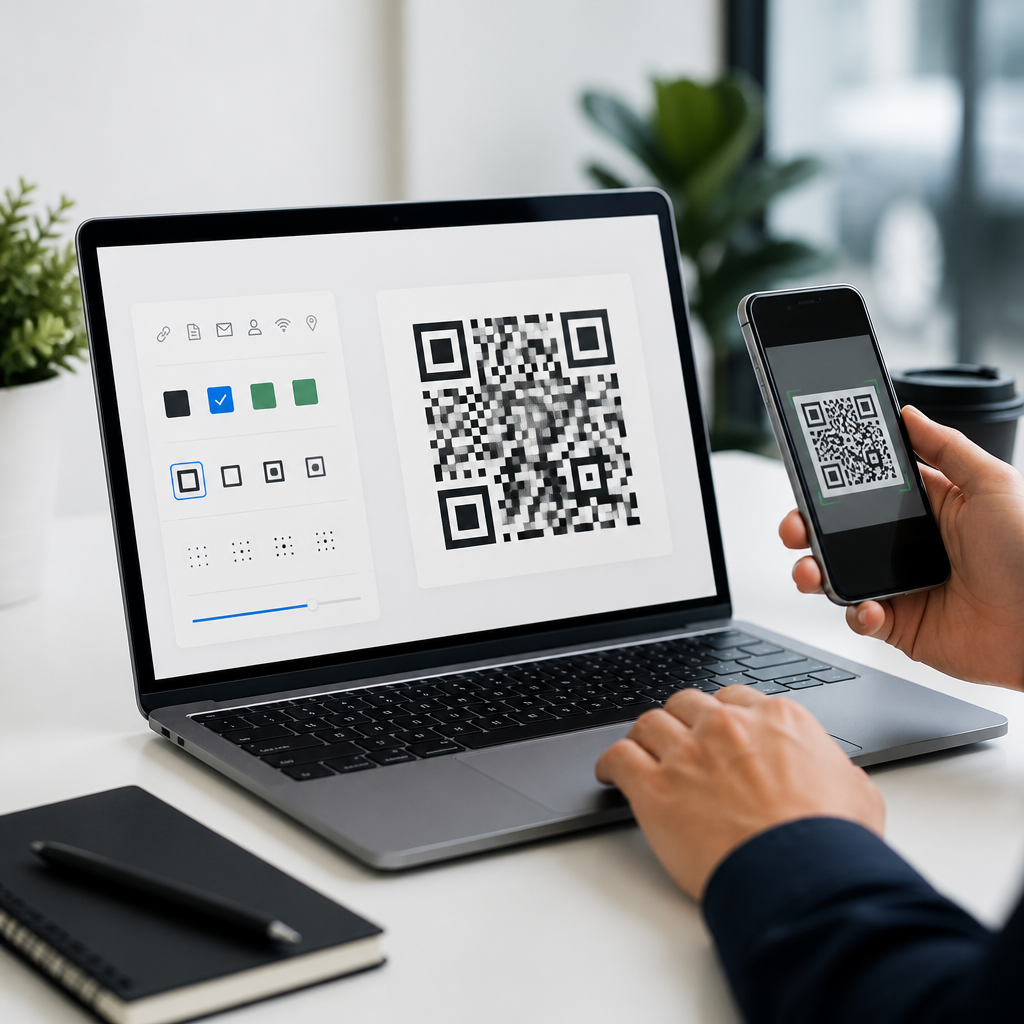
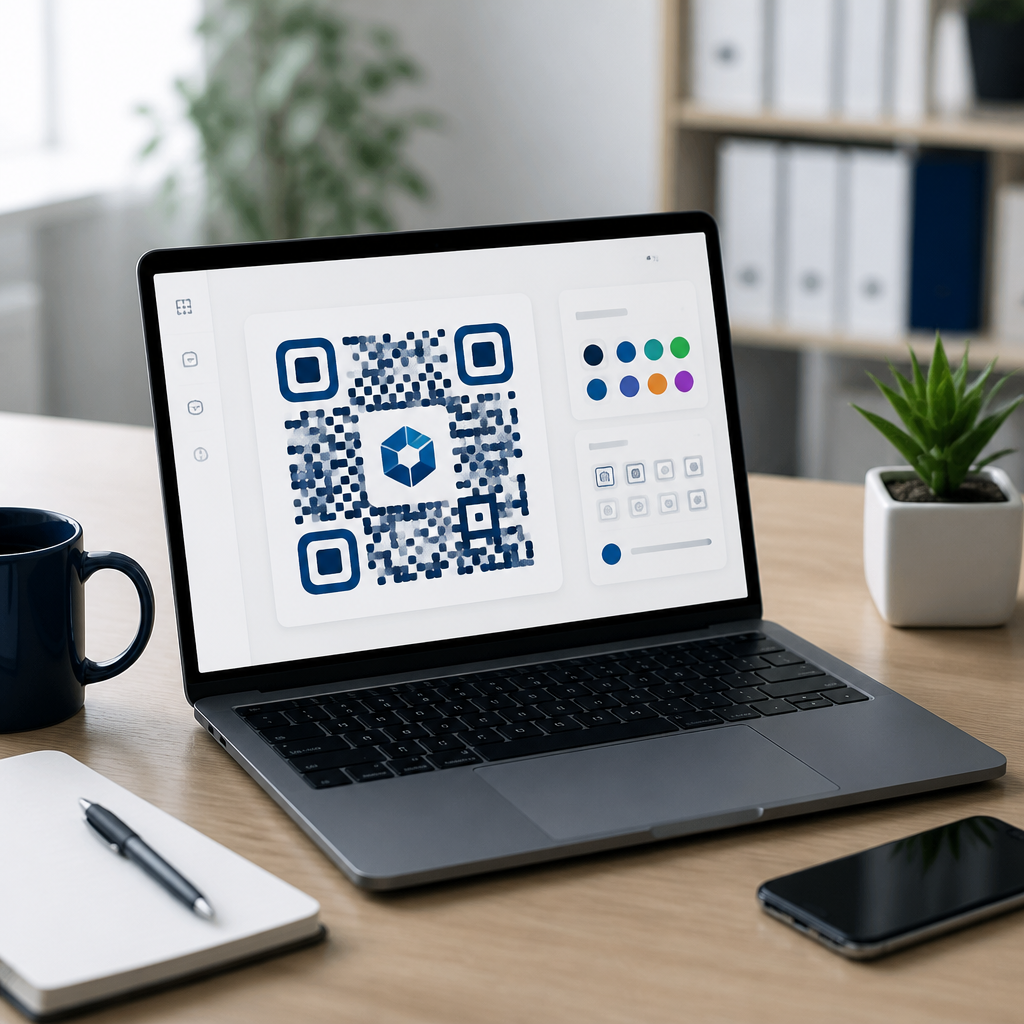
The best QR code generator for custom branding combines design controls with technical safeguards. At minimum, look for editable foreground and background colors, logo insertion, frame templates, custom URL slugs, vector export in SVG or EPS, and dynamic QR code support. In my experience, scan testing matters more than flashy templates. Codes need adequate contrast, quiet zone spacing, and moderate logo size, typically no more than 20 to 30 percent of the symbol area, depending on error correction level and module density. A generator that previews mobile readability and warns about poor contrast is immediately more trustworthy than one that simply lets any design publish.
Analytics also separates hobby tools from professional QR code software. Marketers need timestamped scans, approximate location by IP, device breakdowns, and UTM-compatible destination links for measurement inside Google Analytics 4. Teams need folder organization, naming conventions, expiration controls, password-protected destinations, and role-based access. If a platform supports bulk uploads through CSV, API access, and custom domains, it can serve packaging programs, franchise systems, and multi-location businesses without forcing manual creation one code at a time.
Top QR code generators worth considering
QR Code Generator Pro remains one of the most recognized platforms because it combines easy design tools with dynamic management and broad format support. Bitly is strong when short links and branded links already sit at the center of your workflow, making QR creation a natural extension of link management. Beaconstac is often favored by larger organizations for governance, analytics, and security features. Uniqode, previously known as Beaconstac’s close competitor in many buyer comparisons, is especially visible in enterprise and field marketing evaluations because of its strong dynamic code controls and integrations. Flowcode stands out for design polish and creator-friendly workflows, while Scanova is a capable middle-ground option with campaign management features that suit small and midsize businesses.
| Tool | Best for | Branding strengths | Operational strengths |
|---|---|---|---|
| QR Code Generator Pro | General business use | Frames, colors, logo overlay | Dynamic codes, analytics, folders |
| Bitly | Link-centric marketing teams | Branded short links plus QR pairing | Link management, tracking, governance |
| Beaconstac | Enterprise deployments | Template control, brand consistency | Security, bulk creation, integrations |
| Uniqode | Campaign-heavy organizations | Strong customization and landing options | Dynamic editing, analytics, API |
| Flowcode | Design-forward campaigns | Visually polished branded layouts | Simple analytics, ease of use |
| Scanova | SMBs and agencies | Custom colors, logos, frames | Batch creation, campaign controls |
These tools are not interchangeable. A restaurant chain printing thousands of table tents needs editable destinations, scan reporting by location, and printable vector files. A creator promoting one link in bio might care more about style and speed than API depth. A manufacturer placing codes on packaging needs long-term redirect stability, ownership controls, and a vendor with a credible uptime track record. Matching the tool to the operating model prevents expensive reprints and fragmented reporting.
How branded QR codes improve marketing performance
Branded QR codes usually outperform generic ones when placement and call to action are handled properly. People scan when they understand the value on the other side. A frame that says “Scan for setup video,” “See ingredients,” or “Claim 10% off” removes ambiguity and lifts response. In direct mail tests I have run, adding a clear incentive and branded frame mattered more than decorative color changes alone. Design should support comprehension first, brand recognition second. That means maintaining high contrast, sufficient size, and a landing page that matches the message on the printed piece.
Custom branding also builds trust. Consumers are more likely to scan a code that appears connected to a known company identity than an anonymous square floating on a poster. This is especially important as phishing awareness rises. Using a custom domain for dynamic redirects, such as go.brandname.com, creates continuity between the printed code and the destination. For regulated or high-consideration sectors like healthcare, finance, and education, that continuity reduces hesitation and supports compliance review.
How to choose the right QR code generator
Start with use case, not features. If you need QR codes for packaging, insist on dynamic editing, vector export, and account continuity because the code may live in market for years. If you need event QR codes, prioritize bulk generation, attendee-level naming, and analytics by campaign or location. For retail signage, choose tools that support fast landing-page swaps without changing the printed asset. For restaurants, menu QR code generators should allow rapid PDF or URL updates and easy cloning by location.
Then verify technical essentials. Export should include SVG for crisp print production. Error correction should be configurable, with at least level Q or H available when adding logos, though higher correction increases symbol complexity. The platform should preserve a proper quiet zone and flag low-contrast combinations. Analytics should be useful, not vanity-level. Security should include HTTPS redirects, account permissions, and ownership clarity over generated assets. If the vendor locks meaningful functionality behind aggressive upsells, the low entry price may be misleading.
Common mistakes that weaken branded QR codes
The most common failure is overdesign. Marketers shrink the quiet zone, invert colors carelessly, squeeze in oversized logos, or apply gradients that look stylish on a laptop but scan poorly under real lighting. Another mistake is sending scans to generic homepages instead of dedicated mobile landing pages. When the destination does not match the promise near the code, conversion drops sharply. Poor print execution also hurts results: glossy surfaces, curved packaging, tiny placement, and low-resolution raster exports all reduce readability.
Teams also underestimate governance. I have seen businesses lose control of codes when an agency account lapses or a former employee owned the subscription. The fix is simple: centralize ownership, document naming standards, and use folders by campaign, market, or location. Before approving any generator, run a device test matrix across current iPhone and Android cameras, at intended print sizes, in bright and dim conditions. Reliable scanning is the benchmark every branding choice must satisfy.
The role of this QR code generators hub
This page serves as the hub for QR code generators within the broader QR code tools and software category. From here, the natural next steps are deeper comparisons: static versus dynamic QR codes, free versus paid QR code generators, bulk QR code creation, QR code analytics tools, branded QR code best practices, restaurant menu QR platforms, and enterprise QR code management. Organizing the topic this way helps buyers move from general selection criteria to the exact software fit for their environment.
The best QR code generators with custom branding combine visual control, dependable scanning, and operational depth. Choose a platform that fits your use case, supports dynamic management when needed, exports print-ready files, and gives your team clear analytics and ownership controls. Branded QR codes work because they connect offline attention to measurable digital action, but only when design discipline and destination quality are in place. Use this hub as your starting point, shortlist two or three tools, and test them with your real campaigns before committing.
Frequently Asked Questions
What should I look for in the best QR code generator with custom branding?
The best QR code generator with custom branding should balance design flexibility, scan performance, and practical business features. At a minimum, it should let you customize colors, add a logo, choose frame styles, and include a clear call to action such as “Scan to View Menu” or “Scan for Offer.” Those branding options help a QR code feel like part of your marketing instead of a generic black-and-white box. However, visual customization alone is not enough. A strong platform should also preserve high scan reliability by warning you when design choices, like low contrast or oversized logos, may reduce readability.
Beyond appearance, look closely at whether the platform offers dynamic QR codes. Dynamic codes let you change the destination URL or digital asset after printing, which is especially useful for packaging, flyers, signage, and product labels that stay in circulation for a long time. This means a single printed code can continue to support updated campaigns, promotions, PDFs, menus, landing pages, or app download links without requiring a reprint. For many businesses, that flexibility is one of the most valuable features in a branded QR code solution.
It is also smart to evaluate analytics, file export options, and ease of use. Good generators typically provide scan tracking, device or location insights, and downloadable formats such as PNG, SVG, EPS, or PDF for both digital and print use. If you work with a team, multi-user access, brand asset libraries, folders, and campaign organization can make a big difference. In short, the best QR code generator is one that gives you creative control, protects scannability, supports editable destinations, and fits how your business actually publishes and measures QR-driven campaigns.
Do branded QR codes still scan reliably when you add colors, logos, and custom frames?
Yes, branded QR codes can still scan reliably when designed correctly. QR codes include built-in error correction, which allows a portion of the code to be obscured or stylized without making it unreadable. That is why many businesses successfully add logos, adjust colors, and use custom frames while maintaining strong performance. The key is to work within proven design limits rather than treating the code as a purely decorative element.
The most important factor is contrast. A QR code needs enough visual separation between the foreground pattern and the background so phone cameras can detect it quickly. Dark code elements on a light background usually perform best. Some generators allow gradients or unconventional color combinations, but these should be tested carefully across different phones, lighting conditions, print sizes, and surfaces. It is also essential to preserve the quiet zone, which is the empty margin around the code. If that border is too tight or cluttered, scanning becomes less reliable.
Logo placement and size matter as well. A centered logo is common, but it should not cover too much of the data area. High-quality QR code generators usually manage this automatically or provide live scan-readiness feedback. Frames and calls to action can improve engagement, but they should not distort the core code structure. Before finalizing any branded QR code, test it repeatedly in realistic conditions: on printed packaging, glossy labels, menus, posters, and mobile screens. A branded code should look attractive, but its first job is still to scan instantly and consistently.
Why are dynamic QR codes important for custom branded marketing campaigns?
Dynamic QR codes are important because they make branded campaigns far more flexible, measurable, and cost-effective. Unlike static QR codes, which permanently point to a fixed destination, dynamic codes let you change the underlying link or content after the code has already been printed or published. For businesses using QR codes on packaging, shelf talkers, direct mail, event materials, business cards, menus, or window signage, that is a major advantage. You can update a landing page, replace a PDF, switch to a seasonal promotion, redirect to a new product page, or change from one app store destination to another without redesigning and reprinting the code.
This flexibility is especially valuable when QR codes are part of branded assets that are expensive or slow to replace. A package insert, product label, or restaurant table card may remain in use for months. If the campaign changes, inventory shifts, or a URL breaks, a static code becomes outdated. A dynamic code protects that investment by allowing the destination to evolve while the visual code stays the same. For brands that care about consistency and longevity, this makes dynamic functionality almost essential.
Dynamic QR codes also unlock analytics. Many platforms provide data on total scans, time of scan, device type, and sometimes approximate location. That reporting helps marketers understand whether a branded QR campaign is driving engagement and where improvements are needed. For example, if a code on packaging gets scans but low conversions, the landing page may need work. If posters in one store outperform another, placement or messaging may be the difference. In practice, dynamic QR codes turn a simple scan tool into a manageable, optimizable marketing channel.
How can businesses use custom branded QR codes on packaging and other marketing materials?
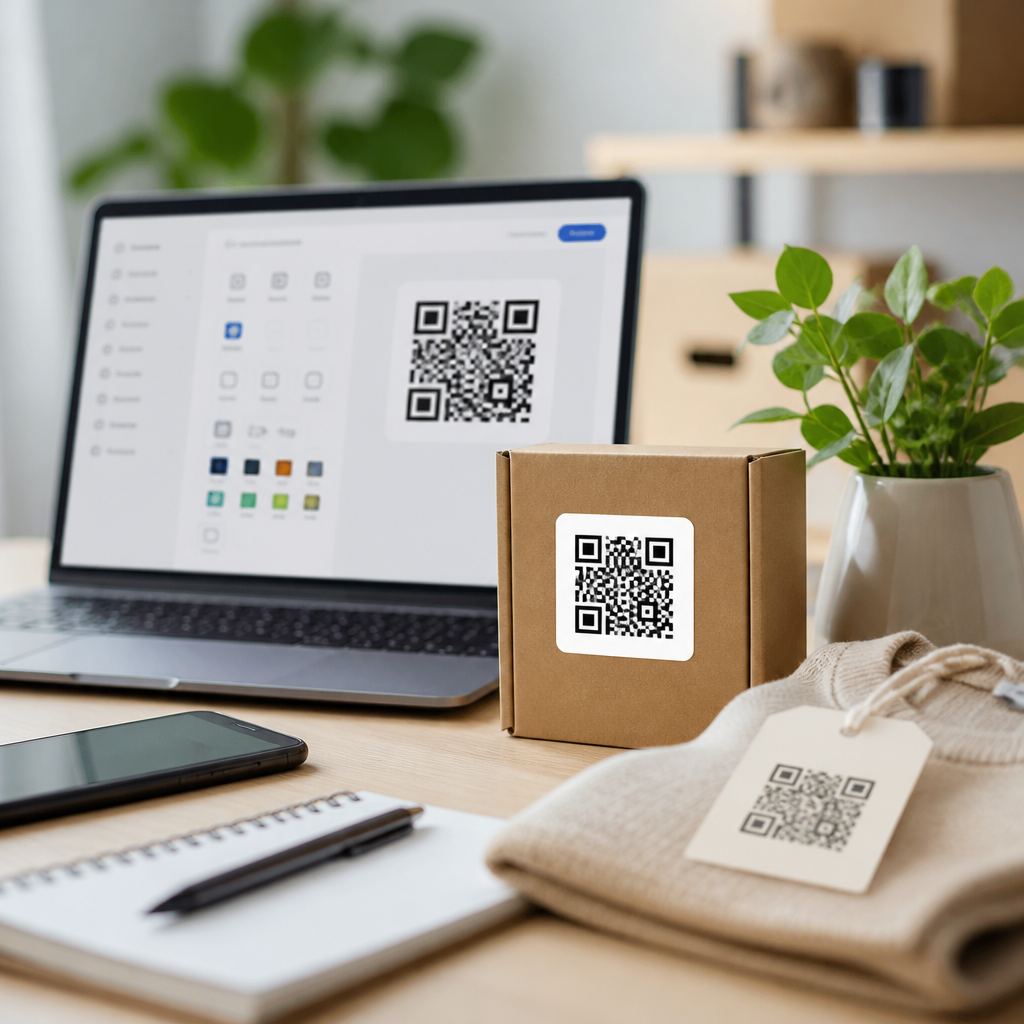
Businesses can use custom branded QR codes across a wide range of customer touchpoints to connect physical materials with digital experiences. On packaging, a branded QR code can send customers to product tutorials, setup guides, ingredients or sourcing details, warranty registration, loyalty programs, reorder pages, or limited-time offers. This is especially useful because packaging often has limited space, while digital destinations can hold much more information. A well-branded code helps the experience feel intentional and trustworthy, increasing the likelihood that customers will scan it.
Outside packaging, custom QR codes work well on menus, brochures, catalogs, trade show displays, retail signage, flyers, direct mail, posters, business cards, invoices, and receipts. Restaurants may use them for menus and ordering. Retailers can link to style guides, product comparisons, or membership signups. Service businesses can direct people to booking forms, testimonials, or digital contact cards. Event marketers can use them for registration, schedules, downloadable materials, or social engagement. Because the code can include a frame and short action phrase, it becomes easier to guide the customer toward a specific next step.
To get the best results, businesses should match the QR destination to the context where the code appears. A code on product packaging should deliver immediate value related to that product, not send users to a generic homepage. A code on a countertop display should lead to something quick and mobile-friendly, such as a coupon, menu, or payment screen. The best use of branded QR codes is not simply adding them everywhere, but placing them where intent is high and the digital experience clearly continues the story started by the printed material.
Are free QR code generators good enough for custom branding, or is a paid tool better?
Free QR code generators can be good enough for basic needs, especially if you only want a simple static code with limited styling. They often work well for one-off uses such as linking to a website, contact card, or PDF when advanced management is not necessary. If your design requirements are minimal and the destination is unlikely to change, a free tool may be perfectly adequate. That said, many free options have limitations around branding, analytics, file quality, commercial usage, support, and editable destinations.
Paid QR code generators are usually the better choice for businesses that treat QR codes as part of their brand and marketing system. These tools often include dynamic QR codes, better logo integration, stronger customization controls, campaign analytics, team collaboration, higher-resolution exports, print-ready vector files, and asset organization. They may also offer scan testing support, bulk generation, password protection, expiration settings, retargeting integrations, and white-label options for agencies. If you are placing QR codes on packaging, store displays, product inserts, or other materials that may be distributed at scale, those features can quickly justify the cost.
Another reason businesses lean toward paid tools is reliability and long-term control. Some free services place restrictions on dynamic codes, show branding you cannot remove, or create codes that depend on the provider’s continued availability. Before choosing any platform, check whether the QR code will remain active permanently, whether you fully control the destination, and whether exported files are suitable for professional print use. In many cases, free tools are fine for simple static projects, but paid tools are the stronger option for serious branded campaigns that need flexibility, measurement, and dependable performance.