QR code generators have become essential infrastructure for eCommerce brands that want to connect physical touchpoints with digital shopping journeys. A QR code generator is a tool that converts a destination such as a product page, discount landing page, app download, review form, or customer support portal into a scannable matrix barcode that smartphone cameras can read instantly. For online retailers, that simple scan can bridge packaging, inserts, retail displays, direct mail, event signage, and social campaigns to measurable conversions. I have used QR campaigns across product launches, subscription offers, and post-purchase retention flows, and the difference between a basic code maker and a commerce-ready platform is significant.
The best QR code generators for eCommerce brands do more than create a black-and-white square. They support dynamic codes, meaning the destination can be changed after printing; analytics, so marketing teams can track scans by date, device, and location; bulk creation, which matters for catalogs and multi-SKU packaging; and brand controls such as custom colors, logos, and short URLs. They also need dependable scan performance, strong uptime, privacy safeguards, and integrations with platforms like Shopify, WooCommerce, Klaviyo, Google Analytics 4, and Zapier. Choosing the right software matters because QR codes often sit at the intersection of paid media, packaging operations, customer experience, and attribution, where a weak tool creates expensive friction.
This hub article explains what separates top QR code generators from commodity tools, which platforms fit different eCommerce use cases, and how to evaluate software before rollout. It is designed as a starting point for brands building a broader QR code tools and software stack, from campaign planning to performance measurement.
What Makes a QR Code Generator Good for eCommerce
A strong eCommerce QR code generator must first deliver reliable scanability. That starts with proper error correction, sufficient quiet zone spacing, export formats such as SVG, PNG, and PDF, and tested performance at different print sizes. In practice, scan failure usually comes from poor contrast, overdesigned codes, tiny print on packaging, or low-quality exports sent to printers. The best platforms prevent these mistakes with preview warnings, size recommendations, and high-resolution asset generation. For commerce teams, these quality controls reduce reprint risk and protect campaign performance after materials have already shipped.
Dynamic functionality is the second requirement. Static QR codes are acceptable for one-off links, but most brands need flexibility after distribution. If a product page URL changes, inventory moves, or a campaign expires, dynamic codes let teams update destinations without discarding packaging or inserts. This is especially valuable for seasonal promotions, subscription reorder prompts, multilingual landing pages, and customer support flows. In my experience, dynamic QR management alone justifies paying for software when printed assets stay in market for months.
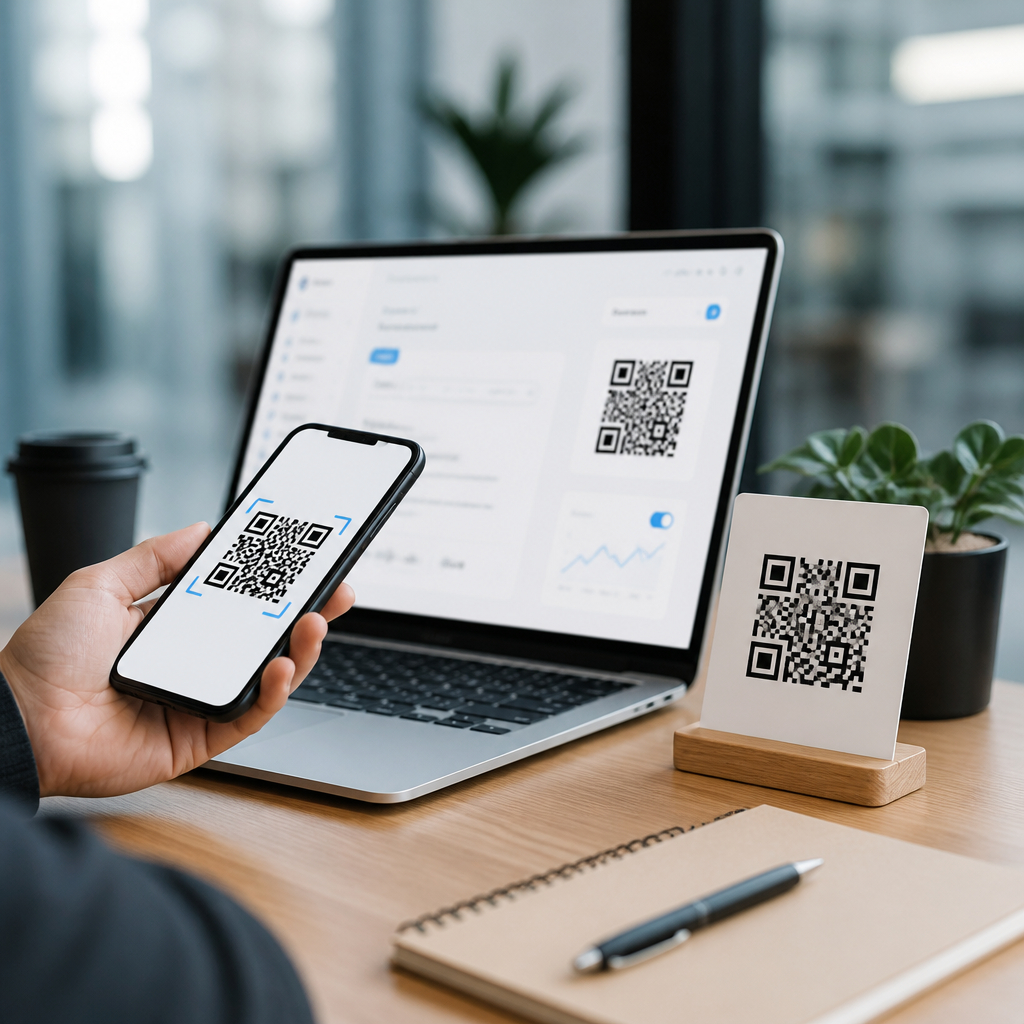
Analytics is the third requirement because eCommerce teams need measurable results. Useful reporting includes total scans, unique scans, scan timestamps, approximate geolocation, device type, operating system, and referral context. Better tools also support UTM parameters and first-party tracking workflows so data can flow into GA4, ad platforms, and CRM systems. Without that visibility, QR codes become unattributed traffic and the marketing team cannot tell whether inserts, retail displays, or direct mail actually influenced revenue.
Core Features to Compare Before You Choose a Platform
When comparing QR code generators, I recommend evaluating them like any other commerce software: by workflow fit, not by template count. Start with code types. eCommerce brands commonly need website URLs, vCards for wholesale outreach, PDFs for manuals, app links, coupon destinations, and review or feedback forms. Next, check bulk generation. A merchant with hundreds of SKUs may need unique codes for product-level instructions, authentication, replenishment links, or localized experiences. Bulk upload via CSV and API access become critical here.
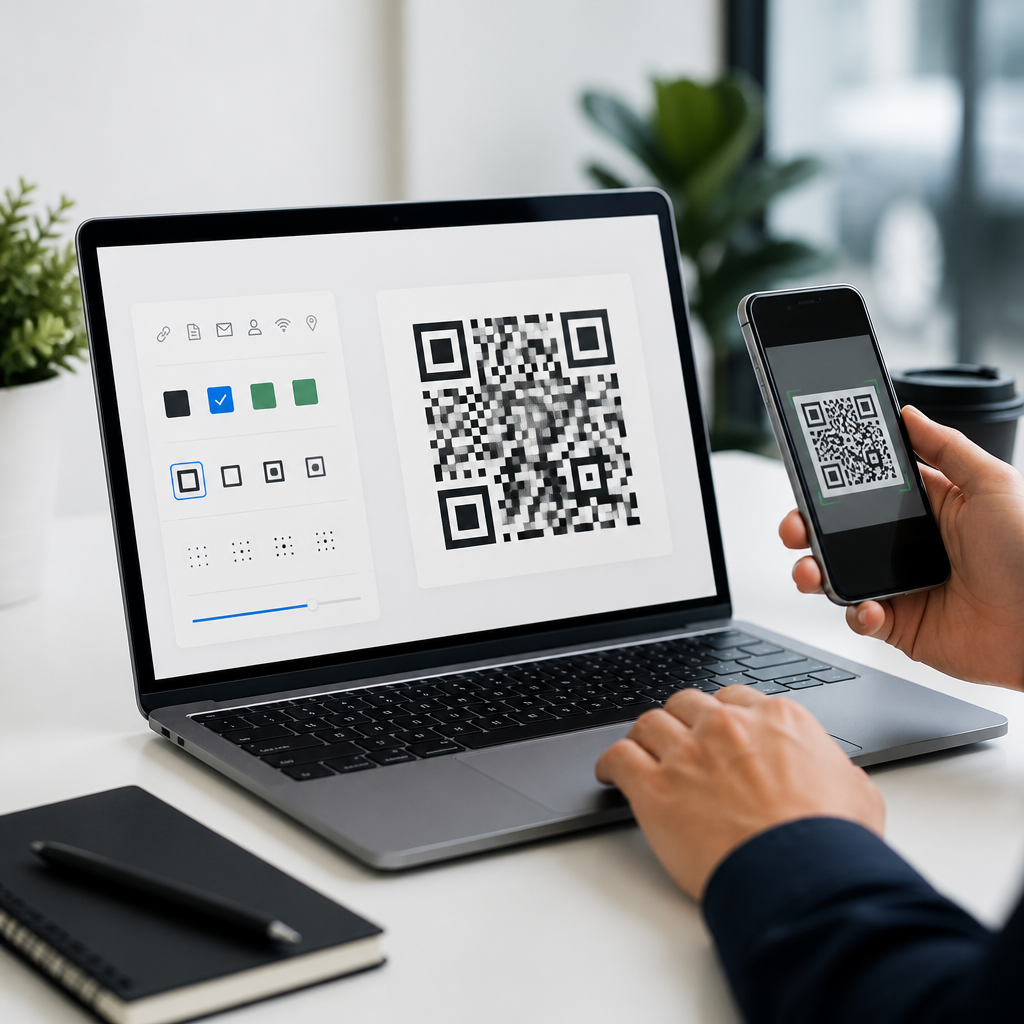
Brand customization also deserves scrutiny. Adding a logo can improve recognition, but only if the software preserves scan reliability. The best tools enforce contrast rules and safe logo placement rather than allowing unlimited styling that breaks usability. Short domain customization matters too. A branded short link often increases trust and makes the code’s destination easier to manage over time. If the platform forces a generic redirect domain, some customers and enterprise security filters may treat scans more cautiously.
Finally, assess governance. Larger eCommerce teams need folders, user permissions, naming conventions, edit history, and export organization. A solo seller can manage with a lightweight dashboard, but mid-market and enterprise brands usually need administration features to avoid link sprawl. If customer service, lifecycle marketing, product, and retail teams all generate codes independently, governance quickly becomes the difference between a scalable program and a disconnected set of one-off campaigns.
Best QR Code Generators for eCommerce Brands
Several QR code generators consistently stand out for commerce use. QR Code Generator Pro is widely used because it balances design flexibility, dynamic editing, and straightforward analytics in a user-friendly interface. Bitly is a strong option for brands that already use link management heavily and want QR creation tied directly to branded short links and campaign attribution. Uniqode, formerly Beaconstac, is particularly solid for larger organizations that need security controls, API access, and deeper team management. Flowcode is popular with marketers focused on conversion-oriented landing experiences and clean reporting. Canva can work for simple branded assets, but it is better treated as a design layer than a full analytics and lifecycle platform.
| Platform | Best for | Key strengths | Main limitation |
|---|---|---|---|
| QR Code Generator Pro | General eCommerce use | Dynamic codes, branding, easy reporting | Advanced enterprise controls are lighter |
| Bitly | Attribution-focused teams | Branded links, QR plus link analytics, strong campaign management | Design customization is less specialized |
| Uniqode | Mid-market and enterprise brands | Security, bulk management, APIs, governance | Higher complexity and cost |
| Flowcode | Marketing activations | Clean UX, mobile-focused analytics, fast deployment | May lack broader commerce integrations |
| Canva | Simple one-off assets | Easy design workflow, accessible for small teams | Not ideal for serious dynamic management |
For Shopify stores, Bitly and QR Code Generator Pro often provide the fastest route to trackable campaigns, especially when teams are already comfortable with UTM discipline. For enterprise retail and omnichannel programs, Uniqode usually offers the strongest administrative structure. The right choice depends less on popularity and more on whether your team needs campaign agility, governance, or scale.
Use Cases That Drive Revenue and Retention
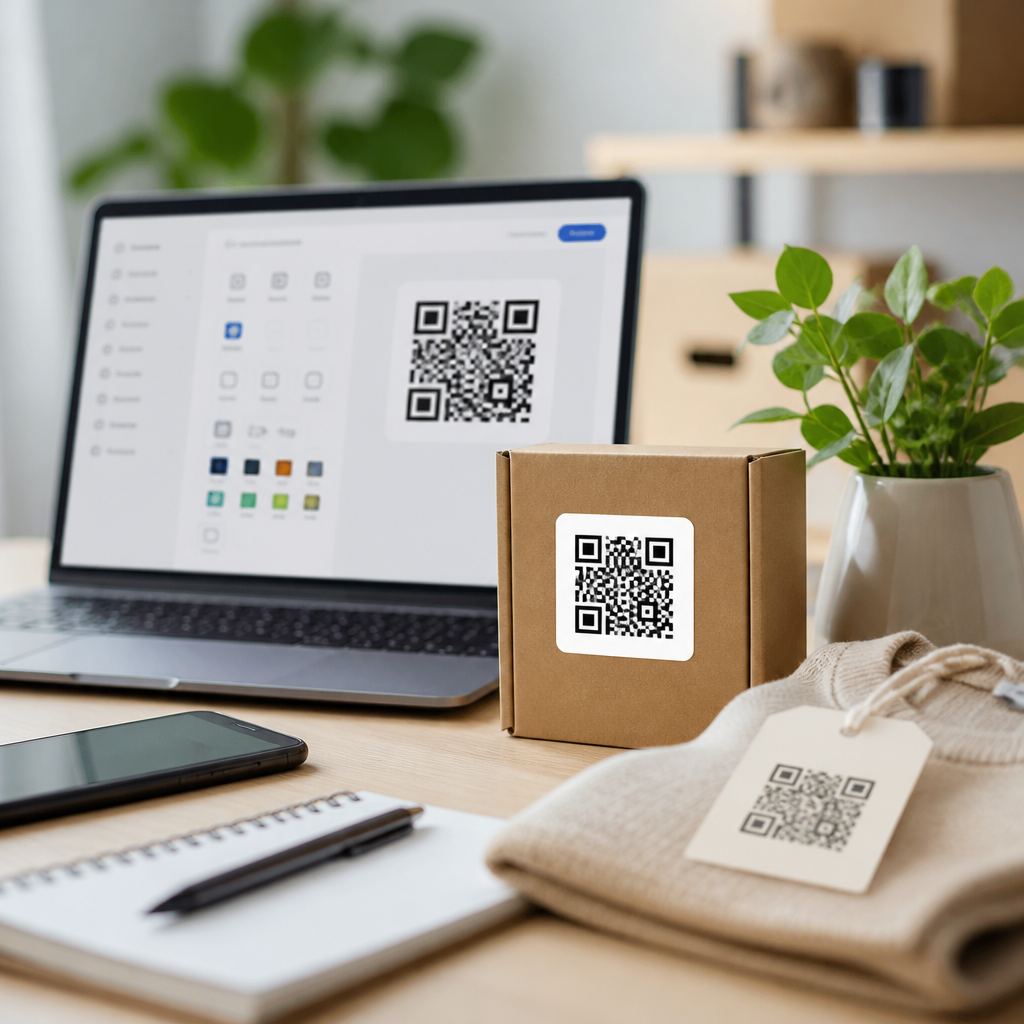
The most profitable eCommerce QR code use cases usually appear after purchase, not before it. Packaging inserts can drive product registration, how-to content, cross-sell recommendations, referral offers, or subscription replenishment. For example, a beauty brand can place a code inside every serum box that opens a regimen page featuring complementary products and application tutorials. Because the customer has already bought once, the traffic often converts at a higher rate than cold paid clicks. I have seen insert campaigns outperform prospecting traffic simply because the scan occurs at a moment of peak product attention.
QR codes also improve customer support and reduce returns. Electronics and home goods brands frequently link to setup videos, troubleshooting checklists, and warranty forms. If the customer gets help in thirty seconds instead of searching a site menu, satisfaction improves and support volume can drop. For regulated categories such as supplements or cosmetics, codes can also connect buyers to ingredient details, certifications, batch information, or compliance disclosures without overcrowding the label.
Offline acquisition remains valuable as well. Pop-up shops, trade show booths, package-free samples, and direct mail can all use QR codes to drive to exclusive landing pages. The important practice is giving each channel a distinct dynamic code so performance can be measured separately. One generic code across all offline efforts hides insight that could guide budget allocation.
Implementation Mistakes That Hurt Performance
The biggest mistake is prioritizing appearance over function. Light gray codes on pastel packaging, tiny placement near folds, glossy surfaces that reflect overhead lights, and oversized logos in the center all reduce scan success. Follow practical standards: strong contrast, sufficient white space, and print sizes that match expected scan distance. For packaging, I usually test on multiple phones under retail lighting before approving final artwork, because a code that scans perfectly on a monitor can fail on a curved bottle or matte pouch.
Another common error is sending every scan to a homepage. QR traffic performs best when the destination matches the moment. A buyer scanning a package insert should land on a post-purchase page, not the main catalog. A customer at an event should see an event-specific offer, not a generic store banner. Relevance improves conversion and makes analytics interpretable. Brands also underestimate governance problems. Duplicate codes, unclear naming, expired redirects, and disconnected UTM structures create messy reporting that is difficult to trust later.
Privacy and security deserve attention too. If a platform stores customer-related scan behavior, review its data retention policies, consent implications, and redirect security. Enterprise buyers may also require SOC 2 alignment, SSO, or audit logs. These details are not glamorous, but they matter when QR programs expand across regions and departments.
How to Choose the Right Generator for Your Brand
Start by mapping your top three QR journeys: acquisition, post-purchase, and support. Then list the operational requirements behind those journeys, including dynamic edits, branded domains, team access, bulk creation, and reporting integrations. A small direct-to-consumer brand may only need dynamic links, decent analytics, and packaging-ready exports. A larger merchant selling through retail, marketplaces, and owned channels usually needs APIs, permissions, and stronger governance. Free tools are fine for testing, but paid platforms are usually worth it once codes live on packaging or high-volume print materials.
Before committing, run a pilot with real campaign conditions. Print sample assets, scan them on iPhone and Android devices, test redirects on cellular networks, and confirm that analytics reconcile with GA4 and platform data. Then document naming standards, UTM rules, and ownership by team. The best QR code generator for eCommerce brands is the one that your team can manage consistently, measure accurately, and scale confidently. Choose a platform that fits today’s campaigns, then build a repeatable QR program that turns every physical touchpoint into a measurable commerce channel.
Frequently Asked Questions
What should eCommerce brands look for in the best QR code generator?
The best QR code generator for an eCommerce brand should do much more than create a basic scannable image. It should support the kinds of customer journeys retailers actually use, including product page links, limited-time promotions, cart recovery campaigns, app downloads, review requests, loyalty sign-ups, and customer support access. A strong platform should make it easy to create both static and dynamic QR codes, with dynamic codes being especially valuable because they let brands update the destination URL without reprinting packaging, inserts, shelf talkers, or mailers.
Beyond flexibility, analytics are one of the biggest differentiators. eCommerce teams should look for scan tracking, device and location insights, time-based reporting, and campaign-level attribution so they can measure how physical marketing materials influence digital conversions. This is particularly useful for brands running omnichannel campaigns and wanting to understand whether QR codes on packaging, pop-up displays, product inserts, or retail signage are driving traffic, purchases, subscriptions, or support interactions.
Branding and design controls also matter. The best generators allow brands to customize colors, add logos, adjust frames, and include clear calls to action without compromising scan performance. For eCommerce use, that means the code can feel like a consistent extension of the brand rather than an off-the-shelf black-and-white square. Finally, brands should evaluate ease of use, download formats, bulk creation options, integrations with marketing tools, and reliability at scale. If a brand expects to generate QR codes for many SKUs, regional campaigns, or seasonal promotions, the platform should support efficient workflow management and enterprise-level consistency.
Are dynamic QR codes better than static QR codes for online retail campaigns?
In most eCommerce scenarios, dynamic QR codes are the better choice because they give brands ongoing control after the code has already been printed or distributed. A static QR code points directly to a fixed destination and cannot be changed later. That is fine for permanent information, but it can become limiting very quickly in retail environments where landing pages, promotions, and inventory priorities change frequently. If a code is printed on product packaging, shipping inserts, in-store displays, or direct mail, replacing it later can be expensive or impractical.
Dynamic QR codes solve that problem by allowing the destination to be updated behind the scenes. For example, a brand can launch a QR code on packaging that first leads to a new customer welcome offer, then redirect it later to a reorder page, loyalty program, holiday campaign, or updated product bundle. This flexibility is especially important for brands trying to maximize the long-term value of printed materials. It also helps when products sell out, URLs change, campaigns expire, or localized experiences are needed for different regions.
Another major advantage is analytics. Dynamic QR codes typically include reporting features that help eCommerce marketers understand scan volume, timing, device type, and user geography. That makes them far more useful for optimization and ROI tracking than static codes. Static codes still have a place when a brand needs a simple, permanent, low-maintenance link and does not need reporting. But for performance-focused eCommerce brands that treat packaging and physical touchpoints as acquisition, retention, and conversion channels, dynamic QR codes usually offer much greater strategic value.
How can QR code generators help increase eCommerce conversions?
QR code generators help increase eCommerce conversions by removing friction between an offline moment and an online action. Instead of asking customers to type a URL, search for a product, or download an app later, a QR code turns immediate interest into immediate traffic. That speed matters. A customer who sees a code on packaging, an insert, a retail display, an event booth, or a printed promotion can move directly into a product page, a discount landing page, a product tutorial, or a checkout-ready offer in seconds.
For conversion-focused brands, QR codes are especially effective when paired with a clear purpose. A code can lead shoppers to a replenishment page for consumable products, a cross-sell collection for accessories, a subscription enrollment form, or a time-sensitive promotion that encourages quick action. Post-purchase inserts can drive reviews, referrals, VIP program sign-ups, or educational content that increases satisfaction and repeat purchase rates. In physical retail or pop-up settings, QR codes can extend limited shelf space by connecting shoppers to broader catalogs, out-of-stock variants, or deeper product detail that supports purchasing decisions.
The generator itself plays an important role because better tools make better campaigns possible. If the platform allows branded design, strong mobile optimization, dynamic editing, and scan analytics, marketers can continually refine placement, messaging, and destination pages for better results. In other words, QR codes do not increase conversions just because they exist. They increase conversions when brands use the right generator to create scannable, well-designed, measurable pathways that align closely with shopper intent at each stage of the buying journey.
Can branded QR codes still scan reliably on packaging, inserts, and retail displays?
Yes, branded QR codes can scan reliably when they are designed correctly. In fact, many of the best QR code generators are built specifically to help brands balance visual customization with technical performance. Adding a logo, changing colors, or placing the code inside a branded frame does not automatically make it harder to scan. Problems usually happen when customization goes too far, such as using low contrast, shrinking the code too much, overcrowding the design, or printing on reflective or distorted surfaces.
For eCommerce brands, reliability should always come first because a beautiful code that fails to scan is a missed revenue opportunity. The most dependable approach is to maintain strong contrast between the foreground and background, preserve the required quiet zone around the code, and test the final version across multiple smartphones and lighting conditions. Brands should also choose file formats and print resolutions appropriate for the surface where the QR code will appear. A code on a corrugated shipping box, glossy product packaging, a folded insert, and a storefront sign may each require different sizing and production considerations.
Leading QR code generators often include error correction and preview tools that support more advanced branding without sacrificing usability. Many also allow brands to create custom frames with action-oriented text such as “Scan to Shop,” “Scan for 15% Off,” or “Scan to Reorder,” which can improve engagement while keeping the code functional. The key takeaway is that branded QR codes absolutely can work well in eCommerce, but they should be tested in real-world conditions before large print runs or campaign launches. Good software helps, but disciplined design and quality control are what ensure consistent scan performance.
Which use cases matter most when choosing a QR code generator for an eCommerce brand?
The most important use cases depend on the brand’s sales model, customer lifecycle, and where physical touchpoints appear in the business. For many eCommerce companies, packaging is the highest-value use case because every shipped order creates an opportunity to deepen the customer relationship. A QR code on the box or insert can drive product education, upsell related items, promote refills or subscriptions, request reviews, or invite customers into loyalty and referral programs. Because packaging remains in the customer’s hands after delivery, it can continue generating engagement beyond the initial purchase.
Retail and in-person selling environments are also highly valuable. Brands that participate in wholesale, pop-ups, trade shows, or temporary activations can use QR codes to bridge the gap between physical browsing and digital purchasing. Shoppers can scan to access extended product details, color or size options not available on-site, waitlists, app downloads, or exclusive online offers. This is especially useful for brands with limited shelf space or those using events to capture first-party traffic they can later nurture through email or SMS.
Customer support and retention use cases should not be overlooked either. A QR code can direct customers to setup guides, FAQ pages, warranty registration, return portals, care instructions, or live support channels. These post-purchase experiences can reduce support friction while improving trust and repeat business. When comparing QR code generators, eCommerce brands should map the platform’s capabilities to these real-world use cases: campaign flexibility, analytics, branding, bulk management, and destination control. The best generator is not simply the one with the most features; it is the one that supports the specific ways a brand wants to connect physical moments to profitable digital actions.