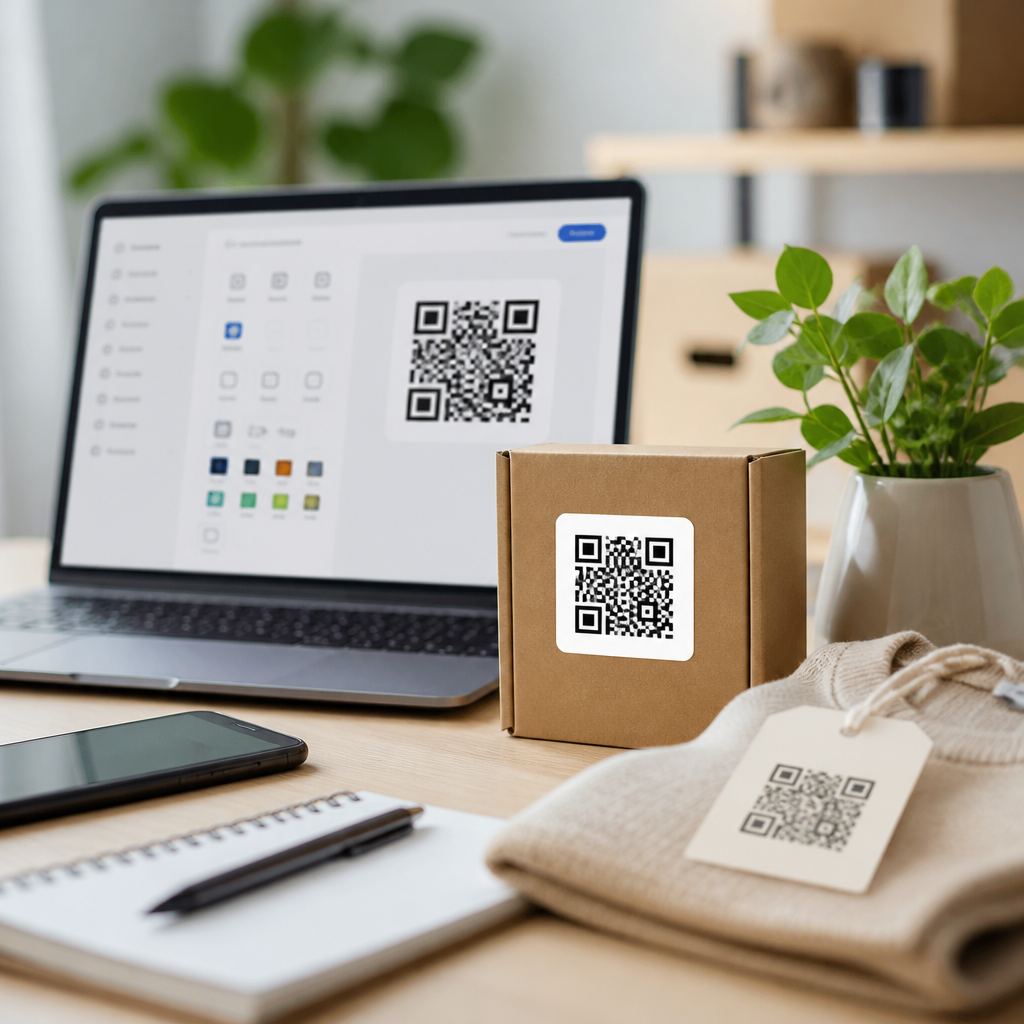
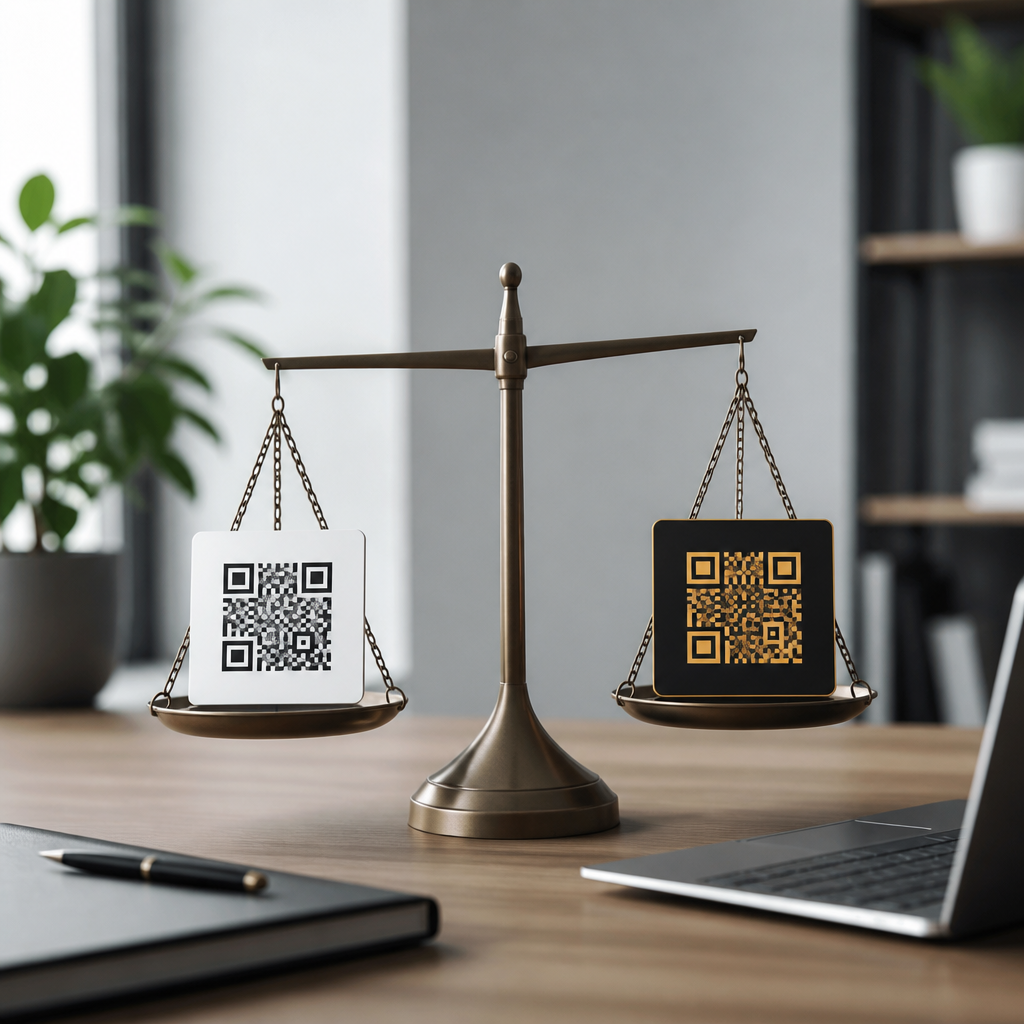
Choosing between free and premium QR code generators depends on how you plan to use QR codes, how much control you need, and what failure would cost your business. A QR code generator is the software that creates scannable codes linking users to websites, PDFs, menus, app downloads, Wi-Fi credentials, payments, or other digital actions. Free tools usually handle basic static codes at no charge, while premium platforms add dynamic editing, analytics, team controls, branding, security, and campaign management. This distinction matters because QR codes are no longer a novelty; they sit on product packaging, restaurant tables, direct mail, event badges, invoices, and storefront signage, where a broken link or poor scan rate creates immediate friction.
I have used both free and paid QR code generators for simple flyer campaigns and for multi-location rollouts with tracked conversions, and the gap is significant once scale, accountability, and brand standards enter the picture. A static QR code stores the destination directly in the pattern, so changing the URL later is impossible without printing a new code. A dynamic QR code points to a short redirect URL managed by the provider, which allows destination edits, scan tracking, device data collection, and conditional routing. That single difference often decides whether free is sufficient or whether a premium subscription quickly pays for itself.
As a hub page for QR code generators, this article explains the core features, tradeoffs, and best use cases so you can choose the right tool with confidence. It also helps answer related questions users commonly ask: What features do premium QR code generators include? Are free QR code generators safe? When do dynamic QR codes matter? Which generator is best for business use? By the end, you should know whether a no-cost option is enough for personal projects and prototypes or whether a paid platform is the better investment for marketing, operations, and long-term reliability.
What free QR code generators usually offer
Free QR code generators are designed for speed and accessibility. In most cases, they let you create a static QR code for a URL, plain text, email, phone number, SMS, or Wi-Fi login, then download it as PNG or SVG. For a teacher sharing a class resource, a local club linking to an event page, or a freelancer adding a portfolio URL to a business card, that is often enough. The value is immediate: no subscription, no login in some cases, and no learning curve beyond entering content and clicking download.
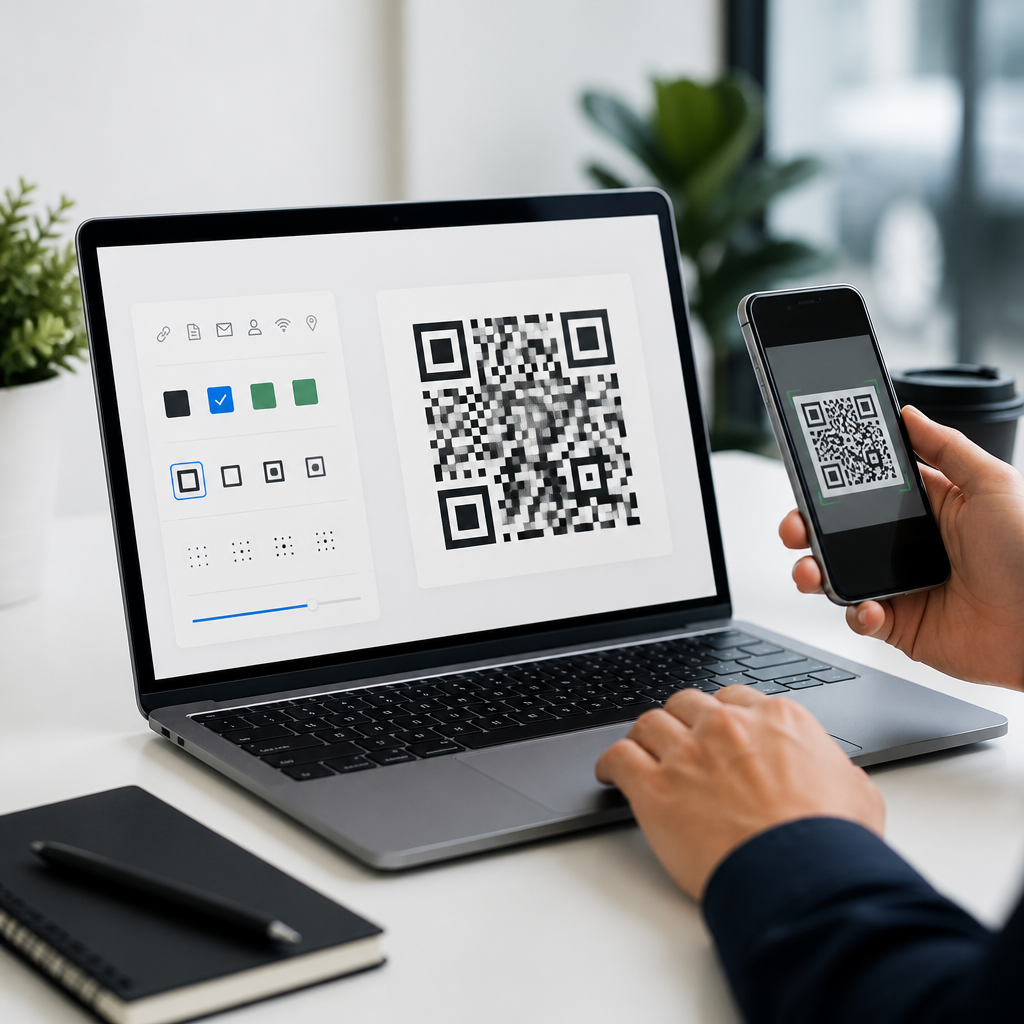
The best free QR code generators still include useful controls such as error correction level, foreground and background colors, frame text like “Scan Me,” and vector export for print. Error correction matters because QR codes can remain scannable even if partially obscured or damaged; the common levels are L, M, Q, and H, with H tolerating the most damage at the cost of data density. In practice, I recommend SVG export for print and testing at the intended display size before distribution. A free tool can absolutely produce a technically sound QR code if the destination is stable and the design is not over-customized.
However, free tools usually come with important limits. Many do not support dynamic redirects, advanced analytics, password protection, expiration dates, bulk generation, API access, multi-user permissions, or white-label landing pages. Some free tools also place restrictions on download quality or encourage customizations that hurt scan reliability. Others are ad-supported and may route users through a short link domain you do not control. Those details matter because the generator is not just making an image; it is potentially becoming part of your customer journey and data chain.
What premium QR code generators add
Premium QR code generators are built for ongoing campaigns rather than one-off code creation. Their headline feature is dynamic QR code management, which lets you change the destination after printing. If a restaurant updates its menu URL, a real estate agency swaps a listing, or a manufacturer replaces a support PDF, the printed code remains usable. That alone prevents reprint costs and operational delays. Most paid platforms also provide scan analytics, including total scans, unique scans, time, approximate location by IP, device type, and operating system, giving marketers measurable feedback instead of guesswork.
Beyond dynamic editing and analytics, premium platforms typically include branded short domains, editable landing pages, scheduled activation windows, A/B destination testing, retargeting pixels, and team collaboration. For larger organizations, administrative controls matter as much as design features. Marketing teams may need role-based access, asset libraries, approval workflows, and naming conventions that make hundreds of codes searchable. Some platforms integrate with Google Analytics using UTM parameters, connect to Zapier for workflow automation, or expose an API for batch creation tied to inventory, tickets, or direct-mail personalization.
Security and governance are another major difference. Premium vendors are more likely to provide account ownership controls, audit logs, higher uptime commitments, and documented privacy practices. If QR codes are used in healthcare intake, payment flows, or customer support, that governance is not optional. Reputable providers also make it easier to export QR assets in EPS, PDF, SVG, and high-resolution raster formats suitable for packaging, signage, and offset printing. In my experience, once QR codes touch revenue, compliance, or distributed teams, paid software becomes less of a design purchase and more of an operational platform.
Free vs premium QR code generators: feature comparison
The simplest way to compare free and premium QR code generators is to ask what happens after the code is printed. If nothing will ever change and tracking is unnecessary, free may be enough. If you need editing, reporting, governance, or brand consistency, premium wins quickly. The table below summarizes the practical differences most buyers will notice first.
| Feature | Free Generator | Premium Generator |
|---|---|---|
| Static QR codes | Usually included | Included |
| Dynamic QR codes | Rare or limited trial | Standard feature |
| Edit destination after printing | No | Yes |
| Scan analytics | Minimal or none | Detailed dashboards |
| Bulk creation | Uncommon | Often available |
| Custom domain and branding | Limited | Common |
| Team permissions | Rare | Common |
| Support and SLA | Little or none | Priority support, sometimes SLA |
This comparison explains why businesses often start free but move paid after the first serious campaign. A code on a poster for a weekend event has a narrow risk profile. A code printed on 50,000 product boxes has a very different one. The more expensive the distribution channel, the more valuable post-print flexibility becomes. That is why premium QR code generators are commonly adopted in retail, hospitality, logistics, and field service environments where updates and reporting are routine.
When a free QR code generator is the better choice
Free QR code generators are better when the destination is permanent, the audience is small, and the consequences of error are low. Good examples include linking to a personal website, a stable Google Maps location, a home Wi-Fi password card, a classroom handout, or a one-page digital resume. They are also useful for proof-of-concept work. When I test flyer layouts or compare scan placement on packaging mockups, I often use a free static generator first because speed matters more than analytics at that stage.
Cost control is another valid reason to stay free. Many small organizations do not need monthly software overhead for occasional QR use. If the code points to a URL you already control and can keep live for years, then a static QR code is durable and efficient. Open-ended subscriptions can be poor value if you only print one code every few months. In these situations, the smarter investment is not premium software but quality testing: verify contrast, quiet zone spacing, print resolution, and smartphone compatibility before deployment.
The caution is that “free” should not mean careless. Avoid generators that hide download limitations, add watermarks, or create dynamic codes that stop working after a trial period. Read the terms, inspect the final URL behavior, and test with iPhone and Android cameras under realistic lighting conditions. A legitimate free generator should produce a code that remains functional without requiring future payments, provided it is static and the destination stays live.
When a premium QR code generator is worth paying for
Premium QR code generators are worth paying for when QR codes are part of a repeatable business process or measurable campaign. Retail promotions, restaurant menus, patient forms, equipment manuals, direct mail, conference badges, and property signage all benefit from editable destinations and analytics. Consider a chain restaurant printing table tents nationwide. If menu URLs change seasonally, static codes create reprint waste. Dynamic codes allow one print run to support ongoing updates, and scan analytics reveal which locations or placements drive engagement.
Paid tools are also justified when different stakeholders need visibility. A marketer may want campaign data, a designer may need brand-safe customization, and an operations lead may need code inventories across stores or product lines. Premium platforms centralize that work. Features such as folders, tags, expiration controls, password protection, and bulk exports save hours and reduce mistakes. If you are assigning unique QR codes to each asset, technician, invoice, or shipment, API access and batch generation become especially valuable.
Brand perception should not be underestimated. Premium generators often support custom domains and cleaner redirect experiences, which increase trust when users preview a link before opening it. That matters for security-aware audiences. In sectors where phishing concerns are real, recognizable domains and controlled landing pages reduce hesitation. Premium service is not always necessary, but it becomes the better choice when reliability, insight, and control are tied directly to customer experience or operational efficiency.
How to evaluate any QR code generator before choosing
The best QR code generator is the one that matches your risk, scale, and workflow. Start by deciding whether you need static or dynamic codes. Then evaluate export formats, analytics depth, branding controls, privacy posture, and long-term ownership. Ask who controls the destination URL, whether codes can be migrated if you switch vendors, and whether scans can be measured in your broader reporting stack. Also test scanning at small and large sizes, on glossy and matte surfaces, and at different distances. A technically valid code can still fail in poor real-world placement.
Look for practical signs of product maturity. Does the platform explain error correction clearly? Does it support SVG or EPS for professional printing? Can you add UTM parameters consistently? Are there case studies in your industry? Does the provider document data retention and security practices? Trusted names in the broader workflow ecosystem, such as Google Analytics, Adobe Illustrator output requirements, and Zapier integrations, are signals that the generator is designed for professional use rather than novelty creation.
Free vs premium QR code generators is not really a debate about price alone; it is a decision about permanence, measurement, and accountability. Free tools are excellent for simple static use. Premium platforms are better for campaigns, teams, and anything that must be editable after printing. Choose based on what happens if the link changes, the code underperforms, or the campaign needs proof. If you are building a QR code workflow under the broader QR Code Tools & Software category, audit one current use case, map the required features, and select a generator that will still fit six months from now.
Frequently Asked Questions
1. What is the main difference between a free and a premium QR code generator?
The biggest difference is the level of control you get after the QR code has been created. Free QR code generators are usually designed for simple, one-time use. They commonly let you create static QR codes that permanently point to a fixed destination, such as a website URL, PDF, phone number, email address, or Wi-Fi login. Once that static code is printed or shared, the destination typically cannot be changed without creating and distributing a brand-new code.
Premium QR code generators go much further. They often include dynamic QR codes, which let you change the destination behind the code without changing the printed image itself. That means a restaurant can update a menu link, a retailer can redirect a seasonal promotion, or a business can swap an outdated landing page for a new one without reprinting signs, packaging, or brochures. Premium tools also tend to offer analytics, branding options, user permissions, folder organization, bulk generation, campaign tracking, password protection, and stronger reliability for business use.
In practical terms, free tools are best for straightforward needs where flexibility does not matter much. Premium platforms are built for organizations that view QR codes as part of an ongoing marketing, operations, or customer experience strategy. If mistakes, broken links, or lack of performance data could cost your business money, leads, or trust, premium software is usually the safer choice.
2. Are free QR code generators good enough for small businesses?
They can be, but only in the right situations. A free QR code generator may be perfectly adequate for a small business that needs a basic static code for something unlikely to change, such as a homepage, contact card, review page, or a downloadable brochure. If your QR code is being used in a limited way and you do not need scan tracking, brand customization, or ongoing campaign management, a free tool can be a practical and cost-effective option.
However, many small businesses outgrow free tools faster than expected. A bakery may want to change a catering link. A salon may want to track whether window signage drives bookings. A real estate agent may want separate analytics for each property flyer. A fitness studio may want branded QR codes that match its visual identity. These are the kinds of needs that often push a business toward a premium platform.
The key question is not just whether a free generator works today, but whether it will still work for your business six months from now. If a failed QR campaign would be merely inconvenient, free may be fine. If it could lead to wasted print costs, missed leads, or a poor customer experience, premium features can quickly justify the price. For many small businesses, the best approach is to start by assessing the lifespan of the code, the need for edits, and whether performance data will influence future decisions.
3. When is it worth paying for a premium QR code generator?
It is worth paying for a premium QR code generator when QR codes are tied to revenue, customer communication, brand presentation, or operational accuracy. If you are printing codes on product packaging, direct mail, menus, event materials, retail displays, trade show booths, or vehicle wraps, premium tools provide insurance against expensive mistakes. Being able to update a destination without replacing the code can save time, money, and major logistical headaches.
Premium is also worth it when data matters. If you want to know how many people scanned your code, when they scanned, where they scanned from, or which campaign performed best, analytics become highly valuable. Marketing teams often use this information to compare channels, improve landing pages, refine calls to action, and better understand customer behavior. Free generators typically offer little to no meaningful reporting.
Another strong reason to pay is professionalism and governance. Premium platforms often include custom domains, branded QR code design, team access controls, asset organization, expiration settings, and stronger security features. These are important for larger organizations, agencies, franchises, healthcare providers, educational institutions, and any company managing multiple stakeholders or compliance concerns. In short, premium QR code software becomes worthwhile when your codes are not just links, but active business assets that need to be monitored, updated, and protected.
4. Do premium QR code generators offer better security and reliability?
In many cases, yes. While not every premium platform is automatically secure or enterprise-grade, paid QR code services generally invest more in infrastructure, account management, uptime, and business continuity than basic free tools. That matters because a QR code is only useful if it consistently takes users to the right destination quickly and safely. If the platform managing a dynamic code has poor reliability, your customers may encounter broken redirects, slow loading times, or inaccessible content.
Premium providers often include features such as secure dashboards, role-based access, activity logs, password-protected destinations, managed redirects, and better support for custom domains. Some also provide compliance-related controls, stronger hosting stability, and service-level commitments. These details are especially important for businesses using QR codes in customer support, payments, digital documents, event check-ins, or regulated environments where trust and accuracy matter.
Free tools can still be safe for basic static use, especially when the code points directly to your own stable URL and no account-based management is required. The concern is usually less about the QR image itself and more about long-term dependability, support, and control. If you are relying on a third-party platform to manage dynamic links or campaign infrastructure, choosing a reputable premium vendor can reduce risk substantially. Before selecting any generator, it is wise to review how codes are hosted, whether dynamic links remain active over time, what happens if a subscription changes, and how the provider handles security and uptime.
5. Which is better for marketing campaigns: free or premium QR code generators?
For serious marketing campaigns, premium QR code generators are usually the better choice. Marketing campaigns rarely stay static. Landing pages get updated, offers change, audiences are segmented, and performance needs to be measured. Premium platforms are built for this kind of ongoing optimization. Dynamic QR codes allow marketers to change destinations mid-campaign, A/B test pages, localize content, and keep printed materials usable even when messaging evolves.
Analytics are another major advantage. With a premium tool, you can often measure scans by date, location, device type, and campaign. That turns a QR code from a passive utility into a measurable conversion tool. Instead of guessing whether a poster, mailer, package insert, or in-store display worked, you can review actual engagement data and improve future campaigns based on evidence.
Premium tools also tend to support branding and consistency better. Custom colors, logo placement, short branded links, and organized campaign management can make QR codes feel like a deliberate part of your marketing ecosystem instead of an afterthought. Free tools may still work for a simple, low-risk promotion, especially if tracking and flexibility are not important. But if your goal is to drive leads, sales, registrations, downloads, or measurable engagement at scale, premium software is generally the stronger strategic investment.