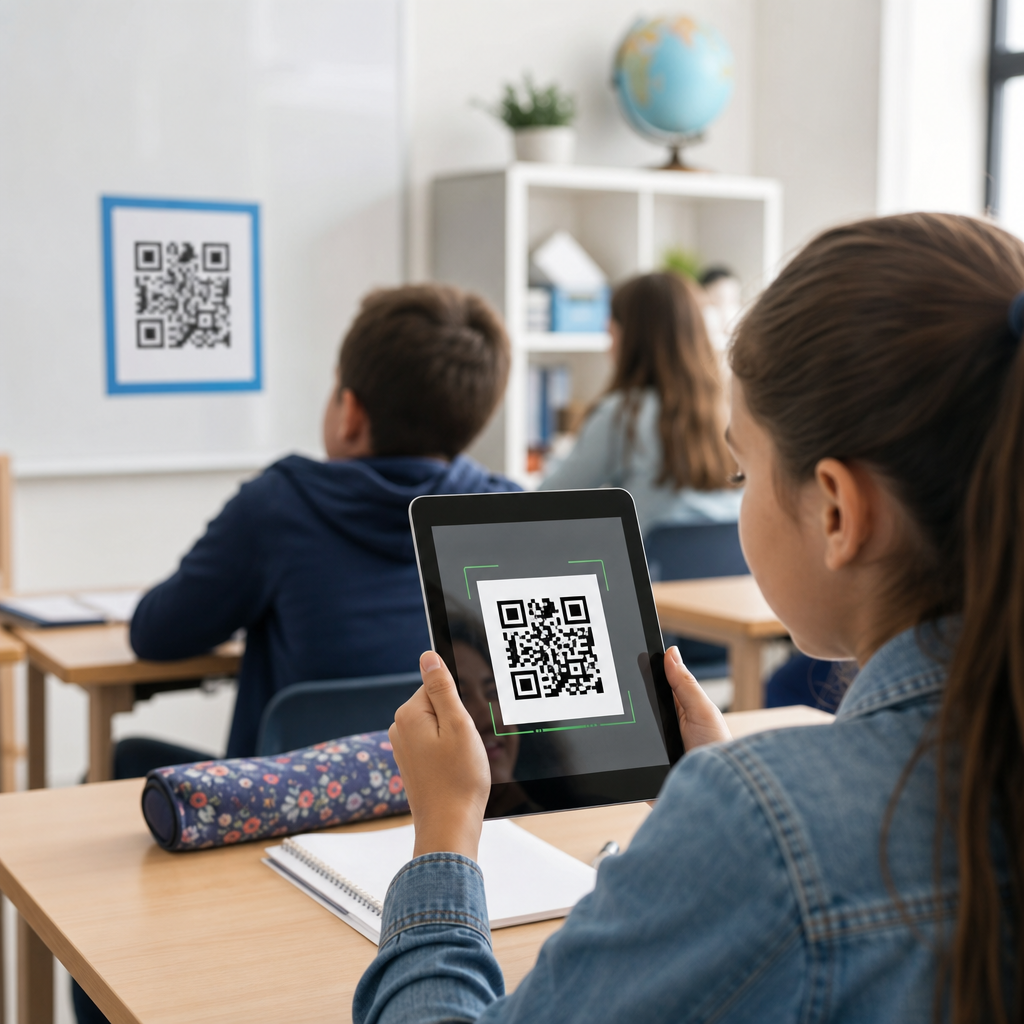
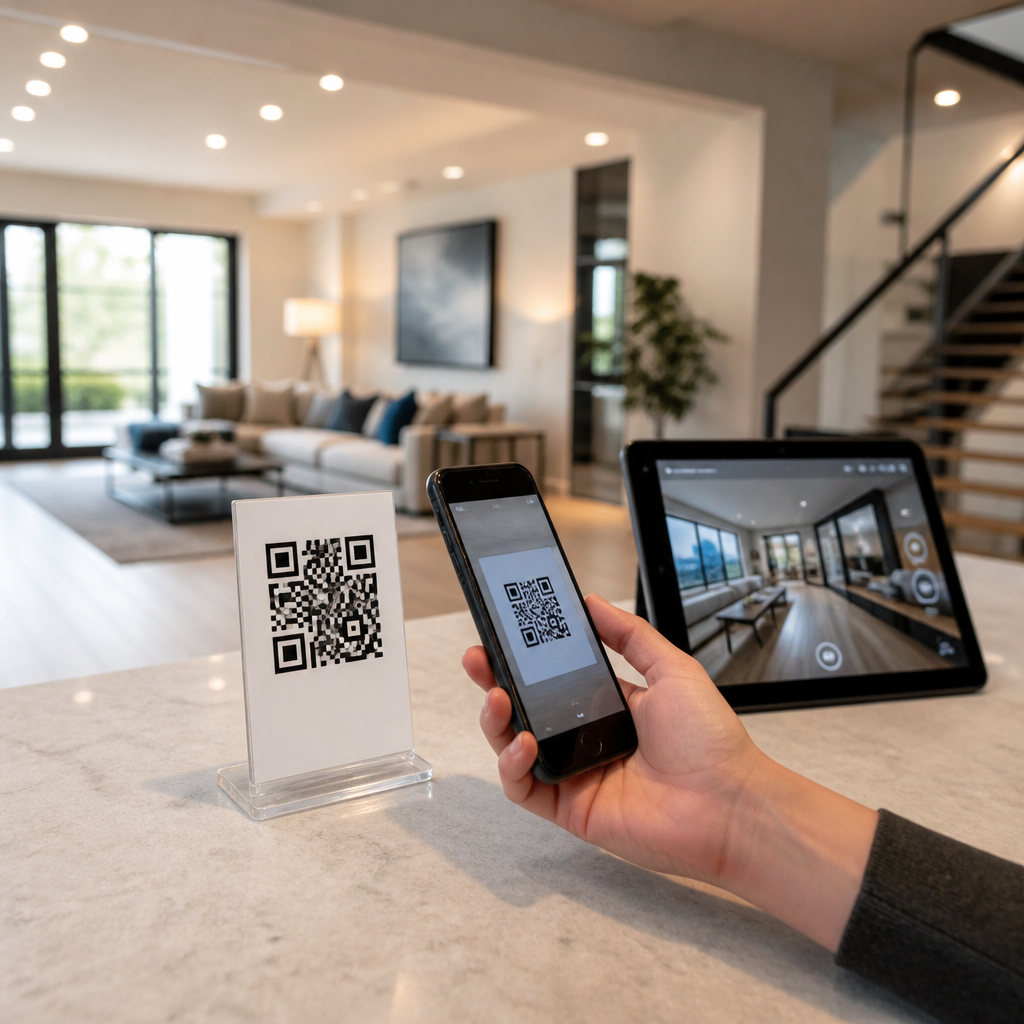
QR codes for virtual tours in real estate have moved from a novelty to a practical marketing standard because they connect physical properties, printed materials, and online experiences in one scan. In simple terms, a QR code is a scannable matrix barcode that opens a digital destination such as a 3D walkthrough, video tour, photo gallery, floor plan, lead form, or property microsite. A virtual tour is an interactive presentation of a home or commercial space, often built with 360-degree photography, guided video, or digital twins from platforms such as Matterport, CloudPano, Kuula, or Zillow 3D Home. When these tools are combined, agents reduce friction for buyers, sellers, and renters. I have used QR-driven tour campaigns on yard signs, window displays, listing flyers, direct mail, and open house materials, and the strongest results always came from making access immediate.
That immediacy matters because real estate decisions start before a showing is scheduled. Buyers often drive neighborhoods after work, investors compare listings between meetings, and renters make snap judgments from a poster in a leasing office. If a prospect must type a long URL or search manually, many leave. A well-placed QR code removes that step. The code turns every sign, brochure, and business card into a digital entry point, extending the listing beyond the property itself. It also creates measurable behavior. Instead of guessing whether a sign produced interest, agents can track scans by time, location, and campaign source when they use dynamic QR codes with analytics. For brokerages competing on service, speed, and data, that measurement is valuable.
For a hub page focused on real estate, the goal is broader than one tactic. This topic includes residential resale, luxury homes, new developments, multifamily leasing, vacation properties, commercial real estate, and mixed-use assets. Each segment uses virtual tours differently, but the same principle applies: a scan should answer the prospect’s next question quickly. Is the layout functional? What does the kitchen really look like? How does the lobby feel? Is there parking? Can I share this with a spouse, business partner, or relocation client? QR codes work because they meet that decision flow in context, on mobile, at the moment of curiosity.
How QR codes support the real estate marketing funnel
In real estate, the marketing funnel is compressed. A passerby can become a lead in seconds, and a remote prospect can move from awareness to tour request without speaking to anyone. QR codes support every stage. At the top of the funnel, they increase reach on offline assets: signs, print ads, postcards, brochures, and event displays. In the middle, they help prospects evaluate a property through 3D tours, neighborhood videos, interactive floor plans, and amenity pages. At the bottom, they can route users to a booking form, financing prequalification page, tenant application, or contact card. The best campaigns are not built around the code itself; they are built around the intent of the person scanning it.
Residential agents usually start with yard signs and feature sheets. A buyer driving by can scan and view a guided tour, room dimensions, disclosures, and a map of nearby schools or transit. For luxury listings, the same scan can open a branded microsite with drone footage, architectural notes, and a private showing request. In multifamily leasing, QR codes in windows, elevators, sidewalks, and campus boards can route renters to available units, pricing, pet policies, and self-tour scheduling. Commercial teams use them on offering memoranda, site boards, and trade show materials, often linking to stack plans, demographic reports, and aerial overviews. In each case, the QR code shortens the path between interest and action.
Best placements for QR codes on property marketing materials
Placement determines scan volume more than many teams expect. A small code buried in dense text underperforms even if the virtual tour is excellent. Yard signs should place the code high enough to scan from the sidewalk or car window at a safe distance, with strong contrast and a simple call to action such as “Scan for 3D Tour” or “See Inside Instantly.” Window displays work best when the landing page is lightweight and mobile friendly, since many scans happen outdoors on cellular data. On flyers, place the code near the hero image and repeat it on the back beside key specs. At open houses, table tents and leave-behind cards should route to the same tour so guests can revisit the property later.
Direct mail is another high-value channel. Farming campaigns often struggle to bridge awareness and engagement, but a postcard with a clear property teaser and a tour code can outperform text-heavy designs. Builders and developers also benefit from codes on hoarding, model home signage, and printed floor plan packs, especially before a project is fully complete. In leasing, apartment communities can place codes at the gate, clubhouse, package room, or billboard to capture traffic after office hours. The key is relevance. A code should answer the immediate question prompted by where the person is standing. At the curb, show the inside. In the lobby, show floor plans and availability. In a brochure, show details too rich for print.
What a high-converting virtual tour experience should include
The scan is only the beginning. If the destination is slow, confusing, or visually weak, conversion drops. A high-converting virtual tour experience should open quickly on mobile, display the property address and price clearly, and offer intuitive navigation. For most residential listings, include a 3D or 360-degree walkthrough, a concise property summary, still photos, floor plans, lot or unit dimensions, and one obvious next step such as “Schedule a Showing.” For commercial listings, add square footage, zoning, lease terms, parking counts, and downloadable brochures. For rentals, include availability, fees, amenities, and application requirements. Prospects should never need to hunt for basics.
The strongest tours also provide context, not just visuals. If the kitchen was renovated, note the year and materials. If the building has a BOMA-measured office suite or LEED certification, say so. If a condo includes reserved parking or a short walk to transit, make it explicit. Matterport tours are powerful because they let users control movement and understand flow, while narrated video tours help agents highlight features and manage attention. In practice, I recommend pairing an immersive tour with a simple summary page so both exploratory and task-focused users are served. Include lead capture carefully. An immediate hard gate may increase raw leads but usually lowers qualified engagement. For most listings, let prospects preview first, then invite contact.
Choosing QR code types, platforms, and analytics
Not all QR codes are equal. Static QR codes point permanently to one URL and are useful for materials with a short lifespan. Dynamic QR codes redirect through a managed link, allowing agents to change the destination without reprinting the code. In real estate, dynamic codes are usually the better choice because listings change status, prices update, and tour links move between platforms. They also provide analytics such as total scans, unique scans, device type, time of day, and rough location. That data helps brokerages compare sign designs, postcard drops, and listing presentations with something more concrete than anecdotal feedback.
| Use case | Recommended destination | Preferred code type | Key metric |
|---|---|---|---|
| Yard sign for active listing | Mobile property page with 3D tour | Dynamic | Unique scans by day |
| Luxury brochure | Branded microsite with video and gallery | Dynamic | Time on page |
| Apartment window display | Availability and self-tour scheduler | Dynamic | Booked tours |
| Direct mail postcard | Listing landing page or neighborhood guide | Dynamic | Scan rate by route |
| Permanent office signage | Agent contact card or main search page | Static | Total scans |
Platform choice depends on workflow. Matterport is widely adopted for high-quality digital twins and supports measurement, tags, and guided paths. Zillow 3D Home is common in residential portals. CloudPano and Kuula offer flexible 360-tour creation. For QR management, teams often use Beaconstac, QR Code Generator, Bitly, or marketing suites with campaign tracking. The important technical standard is simple: use HTTPS, responsive pages, compressed media, and campaign parameters that feed your CRM or analytics platform. If a code sends users to a desktop-only page or a slow video host, performance suffers. Treat the destination as part of the listing infrastructure, not as an afterthought.
Operational, legal, and brand considerations for brokerages
Implementation needs policy as well as creativity. Brokerages should standardize naming conventions, destination formats, and update procedures so codes do not break when listings expire or agents change vendors. Create templates for active, pending, sold, lease-up, and office signage. Decide who owns the dynamic QR platform account, who approves destinations, and how analytics are reported. This prevents a common problem: scattered codes managed by individual agents with no shared tracking or continuity. Strong teams also align QR destinations with CRM automation, sending scan-generated leads into systems such as Follow Up Boss, kvCORE, HubSpot, or Salesforce for timely follow-up.
Compliance matters. Real estate advertising rules vary by state and by local board, but the general principles are consistent: do not misrepresent the property, display required brokerage identification, and handle consumer data responsibly. If the landing page uses forms, cookies, or retargeting pixels, the privacy notice should be current. Accessibility also deserves attention. Video tours should include captions when possible, and landing pages should support readable text contrast, alt text for images, and straightforward mobile navigation. Brand consistency matters too. A QR code should feel like an extension of the listing presentation, not a generic shortcut pasted onto polished marketing. Consistent color, copy, and page structure build trust across every scan.
QR codes for virtual tours in real estate work because they remove friction at the exact moment interest appears, turning signs, flyers, mailers, and displays into measurable digital entry points. For buyers and renters, the benefit is instant access to the information they need to evaluate a property. For agents, brokers, and marketers, the benefit is better engagement, clearer attribution, and a smoother path from offline exposure to online action. The tactic is simple, but the execution must be deliberate: place codes where curiosity happens, link them to fast mobile experiences, present complete property context, and track outcomes with dynamic analytics.
As the hub for real estate applications, this topic extends across residential, luxury, multifamily, new development, and commercial marketing. The same operating rule holds in every segment: a scan should answer the next practical question and make the next step obvious. Start with one listing type, define your standard destination page, test placement on signs and print, and review scan-to-inquiry performance weekly. When QR codes are treated as part of the property marketing system rather than a design accessory, virtual tours become easier to access, easier to measure, and more effective at generating qualified leads. Build that foundation now, and every future listing will market harder from the moment it goes live.
Frequently Asked Questions
What are QR codes for virtual tours in real estate, and how do they work?
QR codes for virtual tours are scannable barcodes that instantly connect a printed or physical marketing touchpoint to a digital property experience. In real estate, that destination is often a 3D walkthrough, 360-degree tour, video showing, floor plan, image gallery, lead capture page, or full property microsite. When a buyer scans the code with a smartphone camera, the device opens the linked content without requiring the user to type a long web address. That simple action removes friction and helps move someone from casual interest to active engagement in seconds.
What makes this especially useful in real estate is the bridge it creates between offline and online marketing. A QR code can be placed on yard signs, brochures, postcards, listing sheets, open house materials, window displays, direct mail, business cards, and even property packaging for commercial spaces. Instead of relying on a prospect to remember an address or search later, the code gives them immediate access to the virtual tour while interest is highest. This speed and convenience are a major reason QR codes have become a practical marketing standard rather than just a trend.
From an operational standpoint, the code itself does not store the full virtual tour. It usually contains a link that directs the user to the hosted experience. That means agents and marketers can send visitors to a mobile-friendly landing page that includes multiple assets, such as photos, neighborhood highlights, financing information, and a contact form. In many cases, dynamic QR codes are preferred because they allow the destination URL to be updated without reprinting the code, which is extremely useful if a listing changes status, the tour is upgraded, or a campaign needs to be redirected.
Why are QR codes effective for marketing virtual tours in real estate?
QR codes are effective because they shorten the path between discovery and action. Real estate marketing often depends on timing and convenience. A buyer may notice a sign while driving through a neighborhood, pick up a flyer at an event, or receive a postcard in the mail. If that person has to wait until later to look up the property, interest can fade. A QR code turns that moment of attention into an immediate viewing opportunity, letting prospects step into the property digitally from wherever they are.
They also improve the performance of traditional print materials. Yard signs, brochures, magazine ads, and direct mail pieces have limited space and cannot fully convey the experience of moving through a home. A QR code expands what those formats can do by unlocking richer content. Instead of showing only one exterior photo and a few bullet points, the marketing can offer an immersive walkthrough, room-by-room visuals, aerial footage, amenity highlights, and neighborhood context. This creates a more informed and emotionally engaging experience, which can lead to higher-quality inquiries.
Another major advantage is measurability. Digital destinations connected to QR codes can be tracked for scans, clicks, time on page, device types, and conversions. That gives agents, brokers, and marketing teams valuable insights into which campaigns are driving interest. For example, they can compare scans from a sign rider versus a postcard campaign, or measure whether a virtual tour landing page generates more inquiries than a standard listing page. That kind of data helps optimize marketing spend and refine messaging over time.
Finally, QR codes support modern buyer expectations. Today’s consumers are used to fast, mobile-first access to information. In that environment, a code that instantly opens a property experience feels natural and convenient. For sellers, this can strengthen the overall listing presentation because it shows that the property will be marketed using tools that are accessible, current, and effective.
Where should real estate agents place QR codes to get the best results?
The best placements are the ones that align with high-intent moments, meaning situations where a prospect is already showing interest in a property or a location. Yard signs are one of the strongest examples because they capture people who are physically near the listing and want more details right away. A QR code on a sign rider can direct users straight to a virtual tour, giving them a way to explore the property even if they cannot schedule an immediate in-person showing.
Printed property brochures and flyers are also highly effective. These materials are often picked up during open houses, left in brochure boxes, handed out at events, or mailed to prospects. Adding a QR code transforms them from static information sheets into interactive entry points. The same applies to postcards, farming campaigns, and just-listed or just-sold mailers, where the code can lead to a featured property page, a virtual open house, or a landing page designed to capture leads.
Office windows, storefront displays, and event signage can perform well too, especially in high-foot-traffic areas. Someone browsing listings after hours can scan the code and begin a tour immediately, even when the office is closed. For commercial real estate, window placards and property information boards are especially useful because they can connect investors or tenants to full digital presentations with floor plans, suite information, and leasing details.
Agents should also think beyond property-specific materials. Business cards, listing presentation packets, buyer guides, email signatures, and social graphics can all include QR codes that lead to branded tour hubs or featured listings. The key is to make the destination match the context. A code on a yard sign should usually go to that specific property, while a code on a general marketing piece may work better when it leads to a curated landing page with multiple listings or a contact form. Clear call-to-action text such as “Scan for 3D Tour” or “View the Home Instantly” is essential because it tells users exactly what they will get.
What should a real estate virtual tour QR code link to?
The ideal destination depends on the goal of the campaign, but in most cases the best option is not just a raw media file or a generic homepage. Instead, the QR code should lead to a mobile-friendly landing experience built specifically for real estate prospects. That page can feature the virtual tour prominently while also supporting the buyer journey with listing photos, a short description, key property details, floor plans, location information, and a clear inquiry button.
For some listings, linking directly to a 3D walkthrough makes sense because the goal is immediate immersion. For others, a property microsite performs better because it gives visitors multiple ways to explore the home. A well-designed microsite might include a video introduction, a 360-degree tour, room dimensions, downloadable brochures, school or neighborhood information, and options to book a showing or request pricing. This approach is particularly useful for luxury listings, new developments, and commercial spaces where buyers often need more context before taking the next step.
Lead generation should also be considered carefully. If the page includes a contact form, it should feel helpful rather than obstructive. Many real estate marketers find that offering open access to the tour first, then inviting users to schedule a showing or request more information afterward, creates a better user experience and stronger trust. Gated tours can sometimes reduce engagement if users feel they are being forced into a form too early.
It is also important to ensure that the destination loads quickly, displays properly on mobile devices, and is easy to navigate. Since most QR code scans happen on smartphones, a poor mobile experience can undermine the campaign. The most effective destinations are simple, fast, visually strong, and aligned with a clear conversion goal, whether that is generating a showing request, collecting a lead, or moving the user deeper into the property search process.
What are the best practices for creating and managing QR codes for real estate virtual tours?
Start with the user experience. The code should be large enough to scan easily, printed with strong contrast, and placed where people can access it safely and comfortably. Tiny codes, cluttered layouts, or awkward placements reduce scan rates. It is also smart to include a short call to action next to the code so people know what they are scanning for, such as “Scan to Take the Virtual Tour” or “View Photos, Floor Plan, and Video.” Without that prompt, some users may ignore the code simply because the benefit is not obvious.
Use dynamic QR codes whenever possible. Dynamic codes let you change the destination URL after printing, which is extremely valuable in real estate where listings evolve quickly. If a home goes under contract, the code can be redirected to a backup listing, a neighborhood market report, or a seller lead page. This protects the value of printed materials and extends campaign flexibility. Dynamic platforms also typically offer analytics, which can help track engagement and measure results across different placements and campaigns.
Branding and consistency matter as well. While the code must remain scannable, it can still be integrated into a polished visual identity with a branded frame, colors that maintain contrast, and surrounding design elements that match the listing or brokerage. A professional presentation reinforces credibility, especially for high-end properties. That said, function always comes first. Testing should happen on multiple devices before anything goes to print.
Finally, think strategically about content maintenance and follow-up. If the virtual tour, landing page, or property microsite is outdated, the QR code experience loses trust immediately. Every destination should be reviewed for accuracy, mobile performance, and clear conversion paths. It is also wise to connect scans to broader marketing workflows when possible, such as CRM tagging, retargeting audiences, or automated follow-up sequences. In